
Liminal spaces rarely scare us in obvious ways.
They don’t contain threats, monsters, or dramatic events. Most of the time, nothing is happening at all.
And yet, they stay with us.
An empty school hallway. A quiet mall with the lights still on. A pool room echoing with no one inside. These places often feel nostalgic, unsettling, calming, or vaguely sad — sometimes all at once.
Why?
The emotional pull of liminal spaces isn’t accidental. It comes from the way memory, familiarity, and uncertainty interact when we encounter places that feel suspended in time.
The Role of Memory and Familiarity
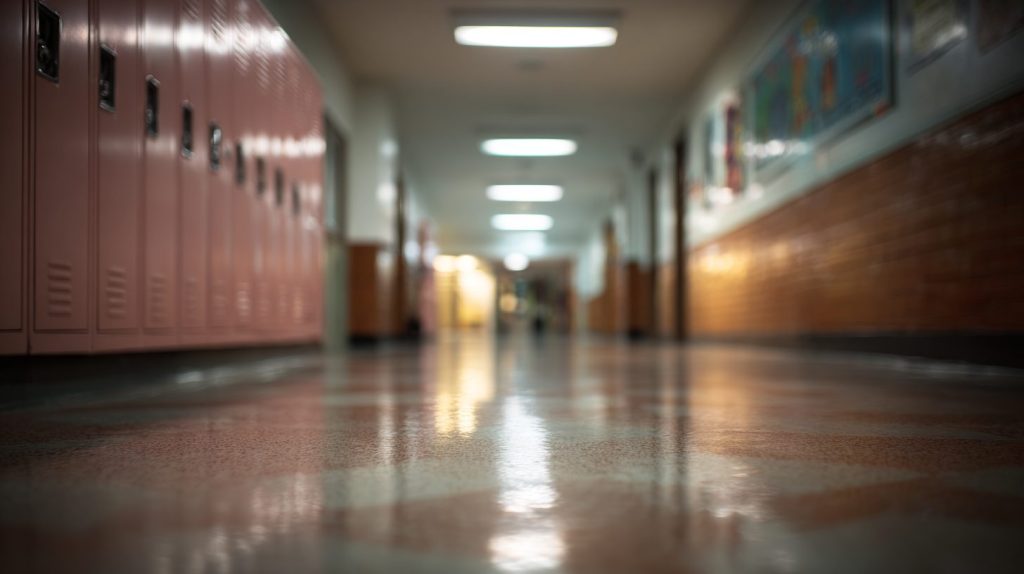
Remembering Places, Not Moments
Liminal spaces are powerful because they trigger place-based memory, not event-based memory.
When you see an empty hallway, you’re not remembering a specific day. You’re remembering a pattern — years of routine, repetition, and movement.
These places acted as backdrops to life rather than highlights of it. Because of that, they quietly accumulated emotional residue without us noticing.
When they appear empty, that residue surfaces.
Childhood Spaces and Routine
Many of the most common liminal spaces are tied to childhood:
- Schools
- Community centers
- Pools
- Malls
- Waiting rooms
As children, we experienced these places on schedules set by others. We moved through them without agency, following routines we didn’t design.
Seeing these spaces empty later in life can feel like returning to a system that no longer exists — familiar, but unreachable.
This creates a strange emotional contradiction:
recognition without belonging.
Why Nostalgia Isn’t Always Comforting
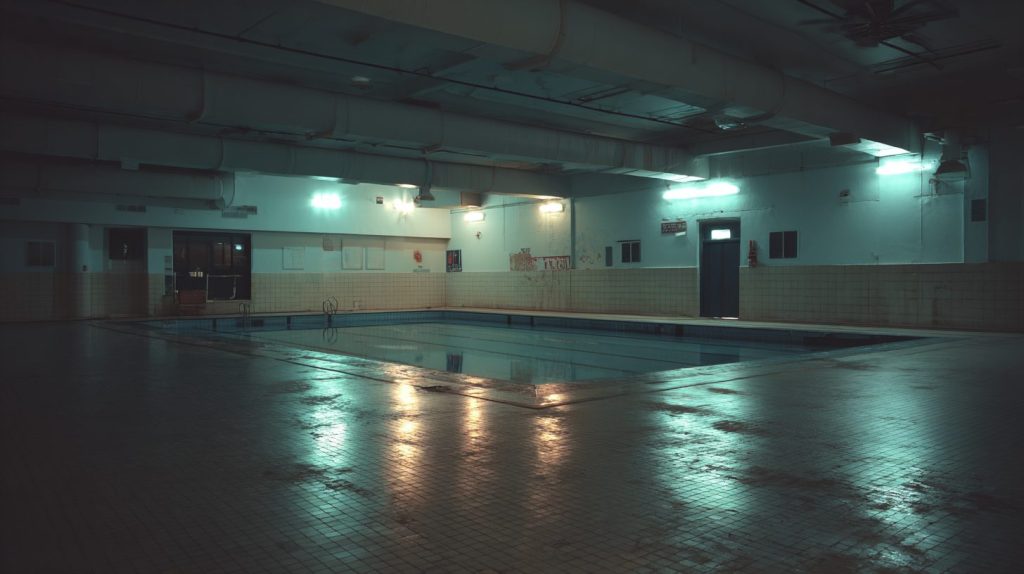
Warm vs. Cold Nostalgia
Not all nostalgia feels good.
Liminal spaces tend to evoke what could be called cold nostalgia — a longing that lacks warmth or resolution.
Instead of missing a specific memory, we miss:
- structure
- routine
- predictability
- the feeling of being “on the way” somewhere
There’s no clear object of longing, only a vague sense that something has passed.
Longing Without a Destination
Unlike traditional nostalgia, liminal spaces don’t point backward to a single moment. They point sideways — to a state of being between phases.
That’s why the feeling can be uncomfortable. There’s nothing to return to, and nothing specific to grieve.
Just the awareness that time has moved on.
Uncanny, Not Horror
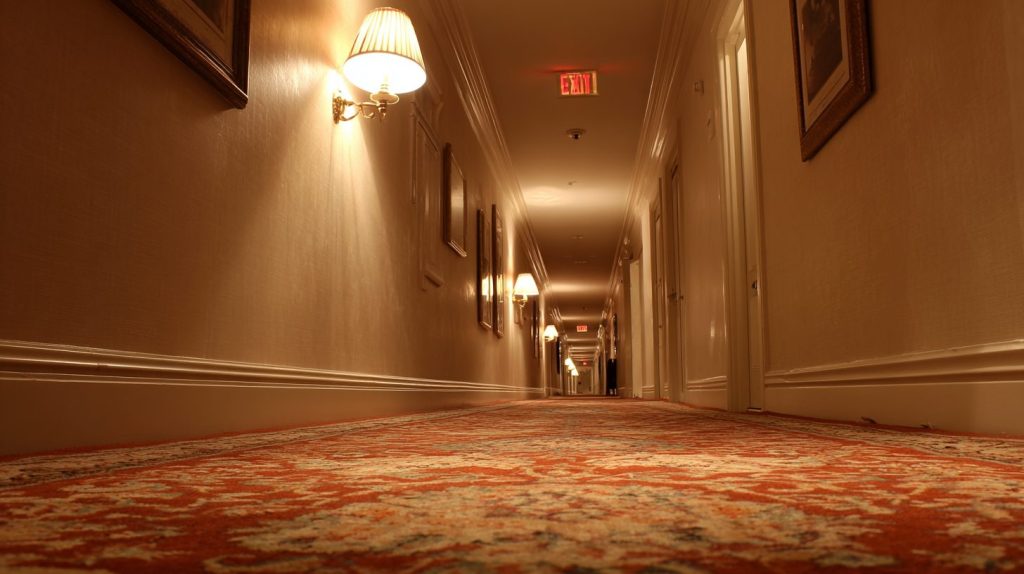
Why Liminal Spaces Feel “Off”
Liminal spaces are often described as creepy, but they are rarely threatening.
Their unease comes from misalignment, not danger.
- Lights are on, but no one is there
- The space is intact, but inactive
- It feels functional, but purposeless
Our brains expect human presence in these environments. When that expectation is violated, the space feels incomplete.
Not broken — unfinished.
The Absence of Threat
This is why liminal spaces differ from horror settings.
Horror relies on threat and anticipation.
Liminal spaces rely on absence.
There is no danger approaching. There is no resolution coming. The discomfort comes from waiting for something that never arrives.
Why People React Differently
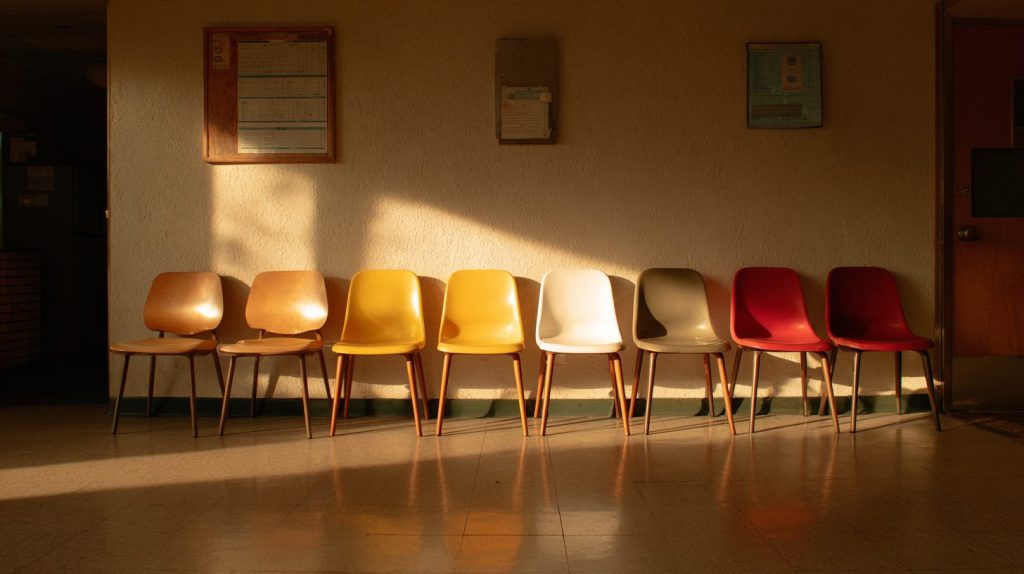
Not everyone experiences liminal spaces the same way.
Some people find them soothing. Others feel anxious or disturbed.
This difference often comes down to personal associations.
Comfort vs. Anxiety
For some, empty transitional spaces feel peaceful — free from noise, expectation, and obligation. They represent pause.
For others, the same spaces amplify feelings of isolation, vulnerability, or loss of control.
The space itself doesn’t change.
The emotional projection does.
Memory as Projection
Liminal spaces act like emotional mirrors.
They don’t tell us what to feel — they reflect what we bring into them. Past experiences, personality, and current emotional state all influence the reaction.
This is why two people can look at the same image and feel completely different things.
Liminal Spaces and Modern Life
Living Between Phases
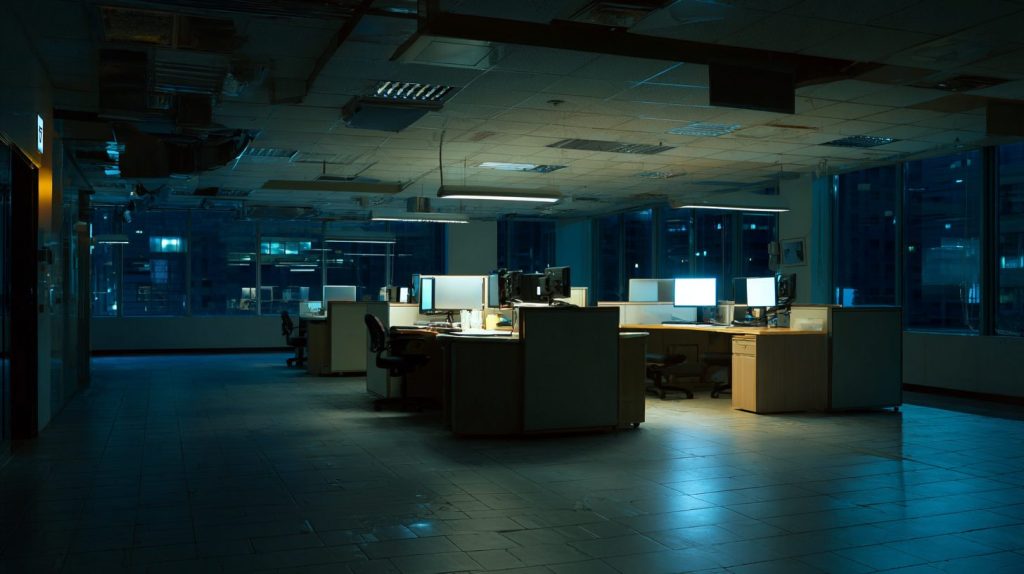
The popularity of liminal spaces isn’t just about architecture or photography. It reflects how many people experience modern life.
More people feel:
- between jobs
- between identities
- between versions of themselves
Liminal spaces visually express that in-between state.
They look the way uncertainty feels.
Digital Life and Emotional Suspension
Online life often lacks clear transitions. Days blur together. Work and rest overlap. Physical markers of change disappear.
Liminal spaces resonate because they externalize that emotional suspension.
They give shape to a feeling that’s otherwise difficult to describe.
Why These Feelings Matter
Giving Language to Vague Emotions
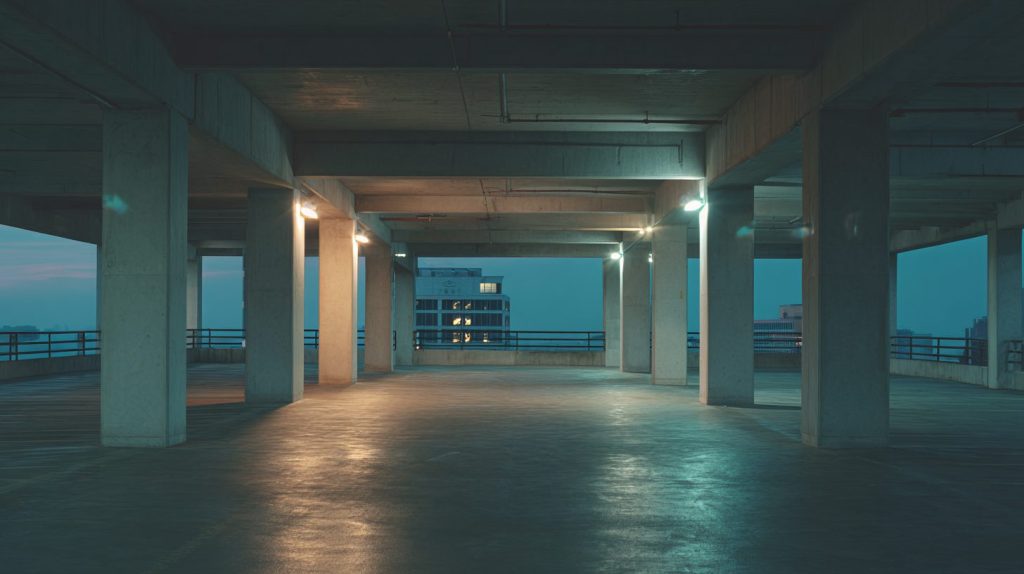
One reason liminal spaces spread online is that they give people a shared vocabulary for subtle emotions.
Instead of saying:
“I feel strange and disconnected in a way I can’t explain,”
people can say:
“This feels liminal.”
That shared language creates recognition and relief.
Why the Internet Archives Feelings
The internet isn’t just an archive of images — it’s an archive of moods.
Liminal spaces persist because they capture emotional states that don’t fit neatly into categories like happiness or fear.
They document what it feels like to exist between definitions.
What This Reveals About Us
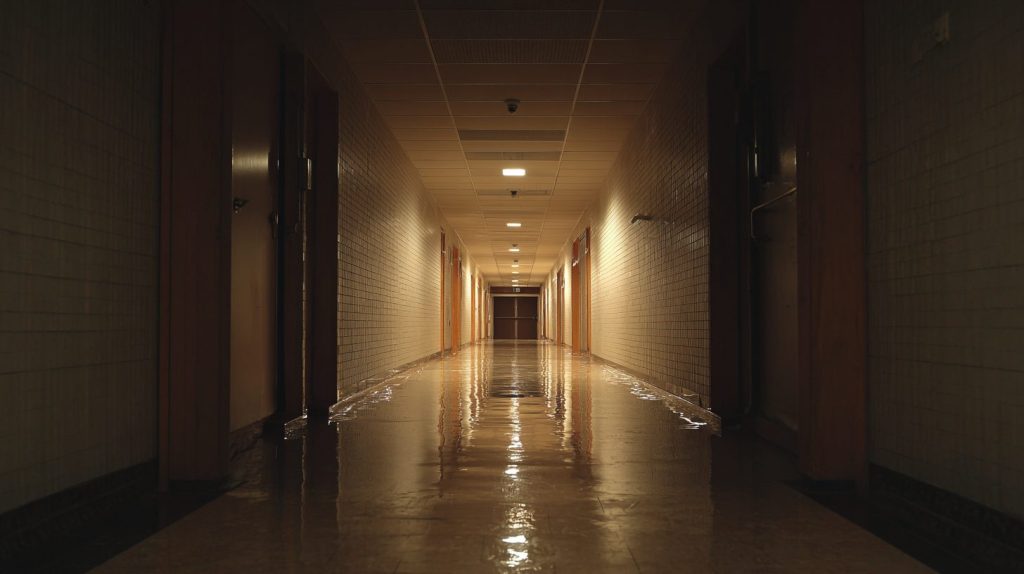
Liminal spaces don’t create nostalgia or discomfort.
They reveal it.
They show how deeply routine, structure, and familiarity shape emotional life — and how unsettling their absence can be.
In a world that moves quickly and rarely pauses, liminal spaces linger.
Not because they demand attention, but because they quietly reflect something many people already feel.
Looking Ahead
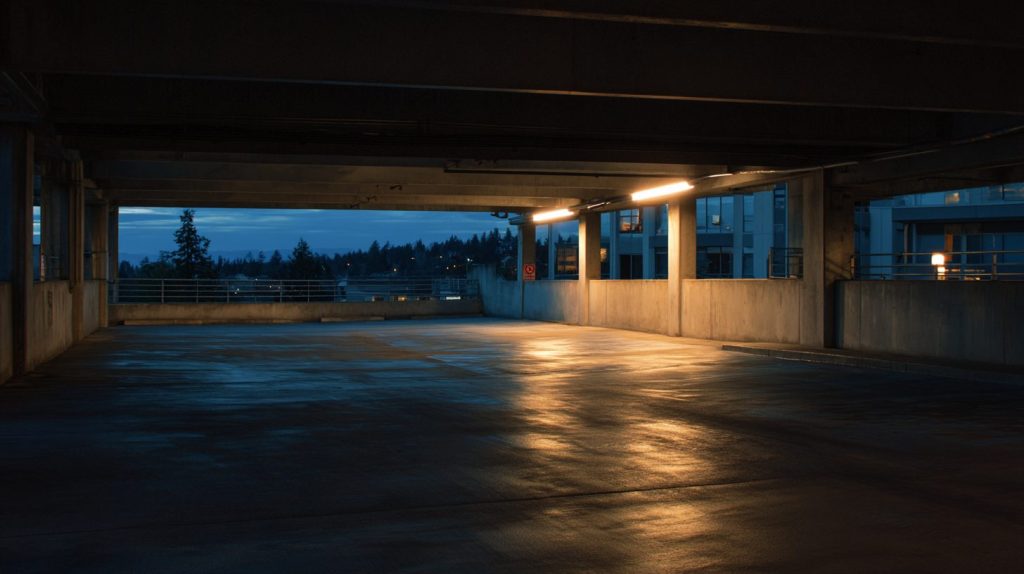
Understanding the psychology behind liminal spaces helps explain why they resonate so strongly — but it also opens further questions:
- How do fictional spaces amplify liminality?
- Why do some online interpretations turn liminal spaces into horror?
- What happens when these aesthetics become mainstream?
These questions continue throughout this site, as liminal spaces are explored not just as images, but as emotional and cultural signals.


Comment