
The internet is often described as a place where things move too fast.
Trends rise and fall. Platforms shift. Content disappears into feeds almost as quickly as it appears.
And yet, at the same time, nothing truly vanishes.
Images linger. Moods resurface. Feelings repeat across years, platforms, and formats.
The internet doesn’t just circulate information.
It stores emotional states.
- Beyond Memory and Documentation
- Why Feelings Need Somewhere to Go
- From Individual Experience to Shared Archive
- Liminal Spaces as Archival Objects
- Algorithms as Curators of Feeling
- The Cost of Endless Preservation
- Why We Still Need These Archives
- The Internet as a Living Archive
- What This Means for Liminal Spaces
- Looking Forward
Beyond Memory and Documentation
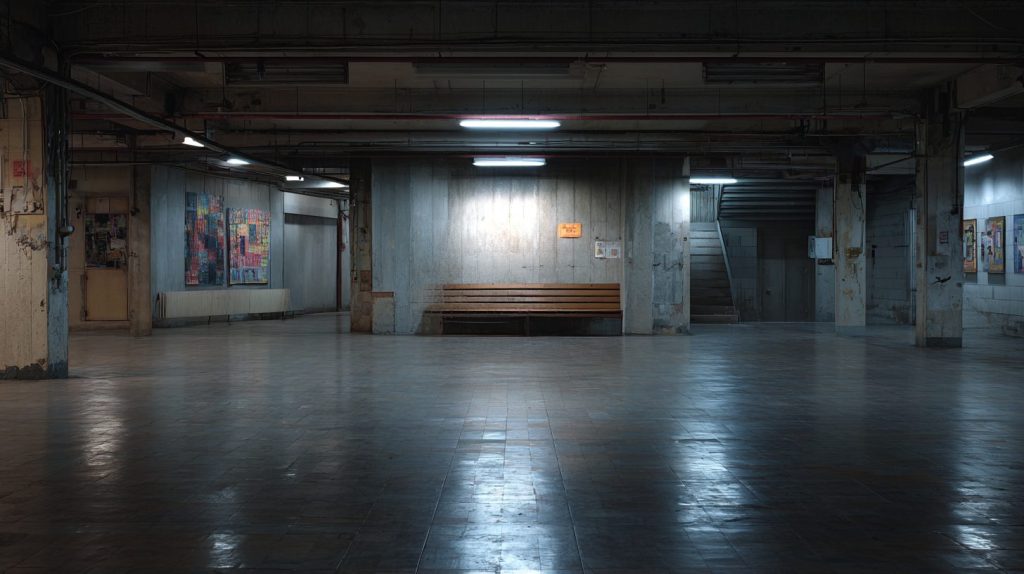
Traditional archives are built to preserve facts.
Dates. Events. Records.
Online archives function differently. They don’t prioritize accuracy or completeness. They prioritize resonance.
What gets saved, reposted, and remembered online isn’t always what happened — it’s what felt significant, even if that significance is difficult to explain.
Why Feelings Need Somewhere to Go
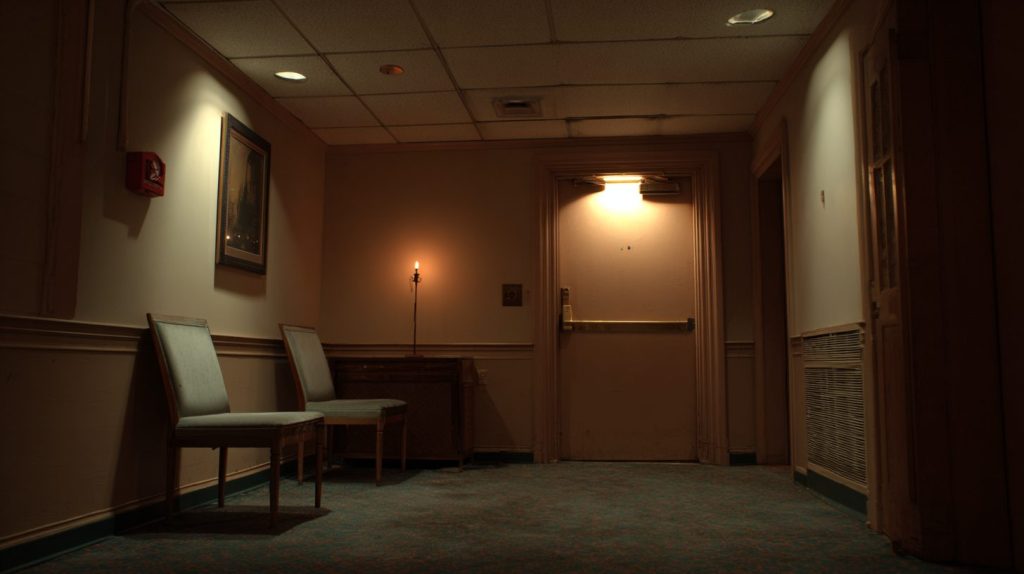
Modern life produces emotions that rarely reach resolution.
Waiting without conclusion.
Nostalgia without return.
Anxiety without clear cause.
Offline, these feelings often remain unspoken. They don’t fit neatly into conversation or productivity.
Online, they find containers.
Images, aesthetics, and moods become places where unresolved feelings can be stored without explanation.
From Individual Experience to Shared Archive

Most emotional archiving online begins privately.
A saved image.
A bookmarked post.
A folder that no one else sees.
But platforms are built for visibility.
Over time, these private acts accumulate into shared collections. What began as a personal response becomes a recognizable emotional pattern.
The archive grows — not by intention, but by repetition.
Liminal Spaces as Archival Objects

Liminal spaces are not important because of what they depict.
They matter because of what they hold.
They preserve moments of suspension:
- between places
- between roles
- between versions of the self
They don’t record events.
They record states of being.
That makes them ideal archival objects for an internet built around feeling rather than fact.
Algorithms as Curators of Feeling
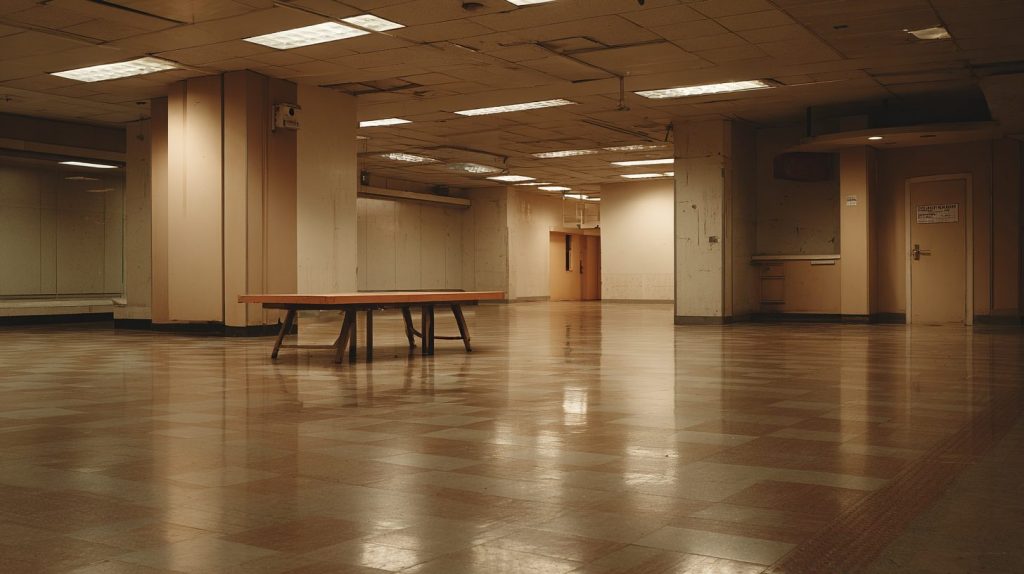
Algorithms don’t understand emotion, but they curate its visibility.
They surface content that keeps people lingering, hesitating, and returning. Liminal spaces perform well because they don’t resolve emotional tension — they maintain it.
In this way, algorithms quietly shape the emotional archive:
- amplifying certain moods
- flattening others
- reinforcing what remains visible
The archive becomes dynamic, not static.
The Cost of Endless Preservation
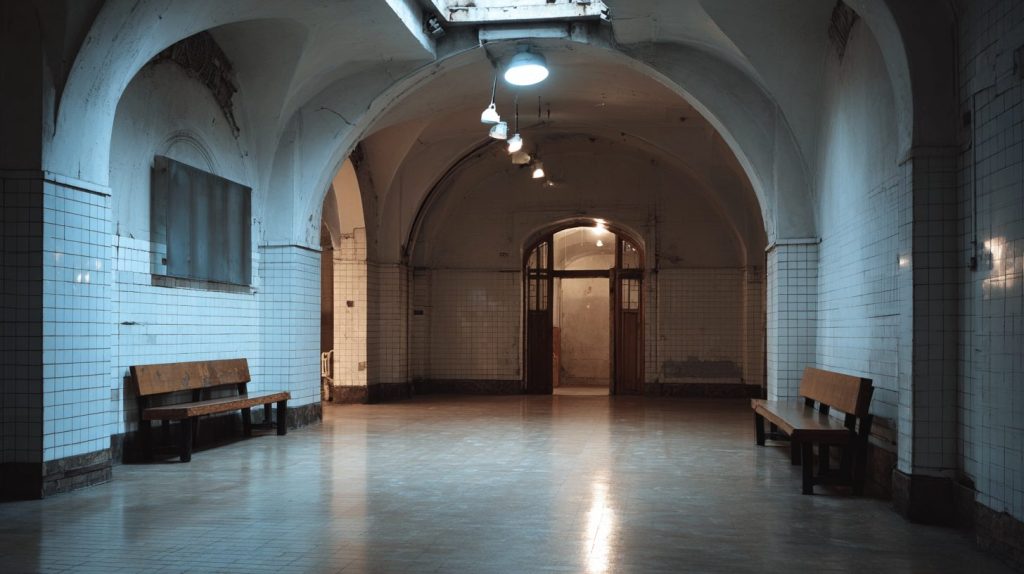
Archiving feelings has consequences.
When emotions are stored without resolution, they can become self-referential. We revisit the same moods not to process them, but to recognize them.
This can create comfort — but also stasis.
The archive remembers, even when we don’t move on.
Why We Still Need These Archives
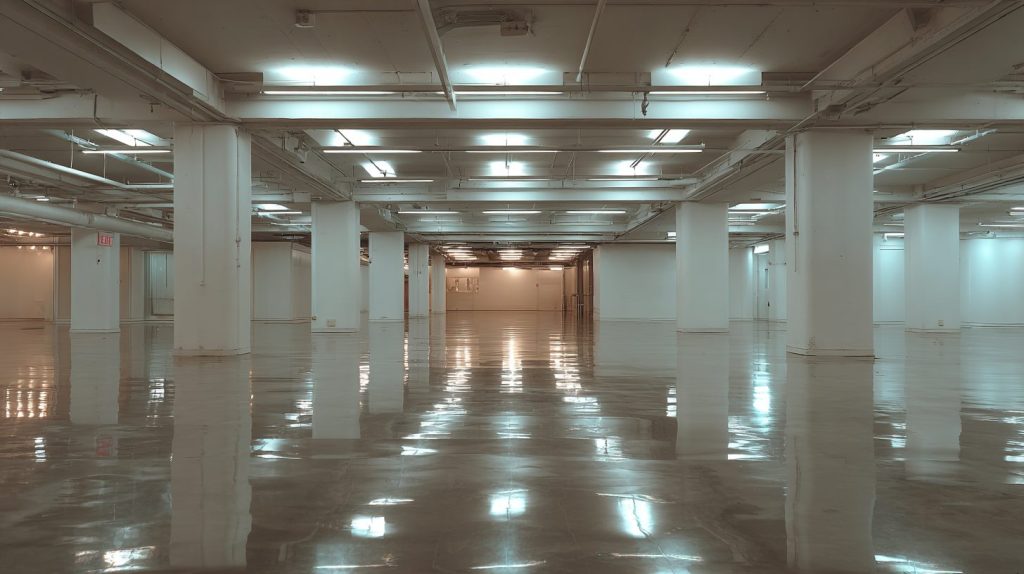
Despite their limitations, emotional archives fulfill a real need.
They validate experiences that lack language.
They offer recognition without demand.
They allow feelings to exist without justification.
In a culture optimized for output and clarity, this quiet permission matters.
The Internet as a Living Archive
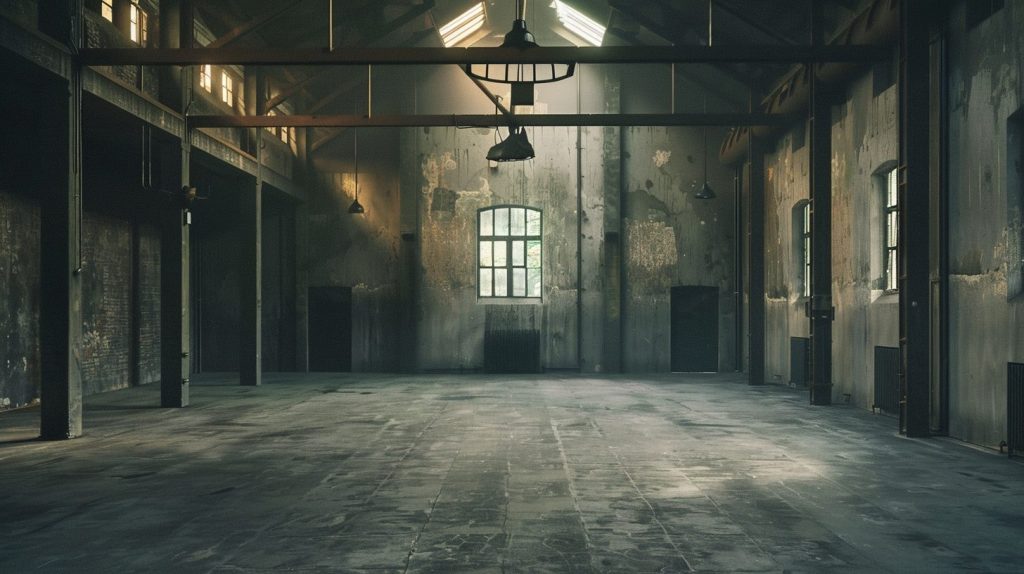
The internet is not a museum.
It doesn’t preserve emotions in stable forms. It reshapes them constantly through remixing, recontextualization, and repetition.
Old feelings return in new formats.
New moods echo old ones.
The archive lives.
What This Means for Liminal Spaces
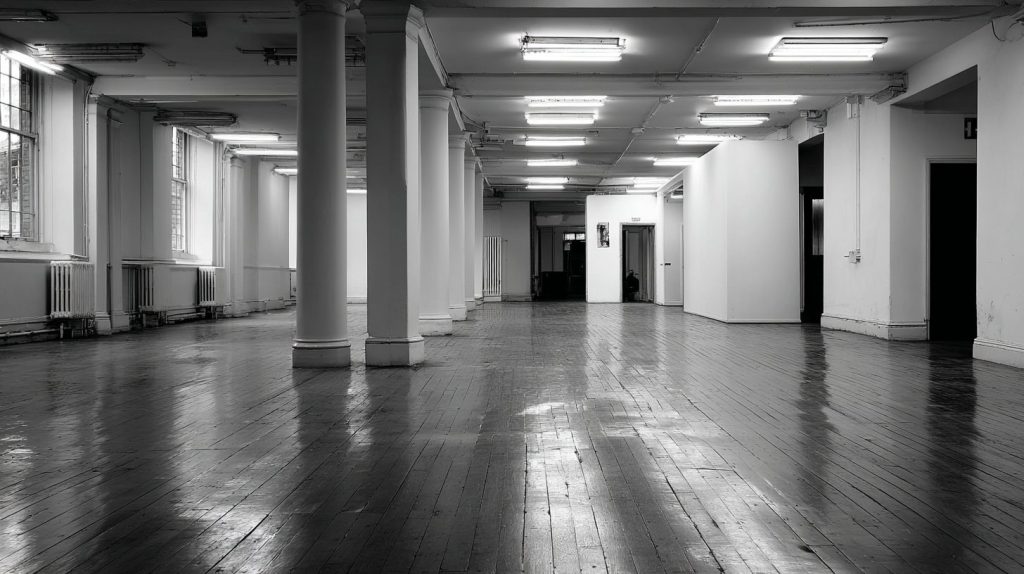
Liminal spaces will continue to circulate, not because of nostalgia alone, but because they remain useful.
They are flexible containers for emotional states that resist closure.
As long as modern life continues to generate unresolved transitions, liminal spaces will remain part of the archive — sometimes visible, sometimes hidden, always waiting.
Looking Forward
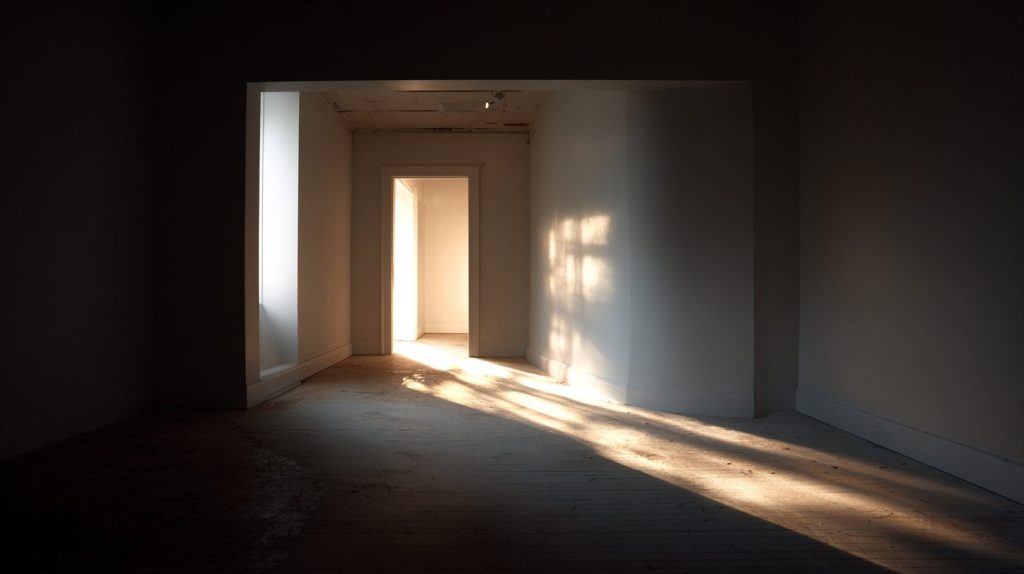
The future of online culture will not be defined solely by trends or technologies.
It will be shaped by which feelings we choose to preserve.
Some emotions will be processed and released.
Others will be archived, revisited, and aestheticized.
Liminality will persist wherever people feel suspended — between updates, identities, and expectations.
Not as a genre.
But as a quiet record of how it felt to live here, now.


Comment