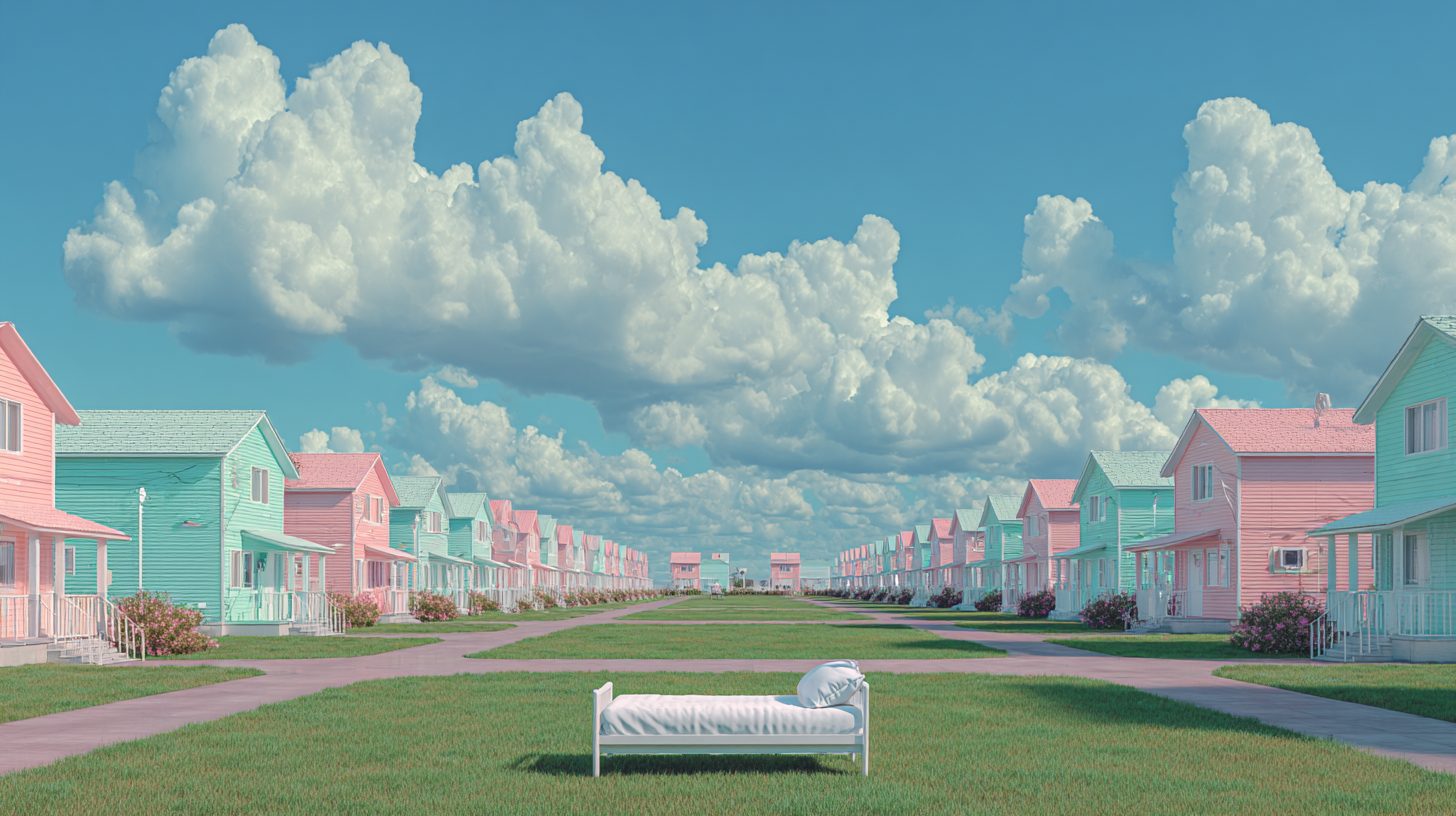
Dreamcore is an internet aesthetic that feels soft, familiar, and unreal — like a memory you never fully lived.
Pastel colors.
Empty rooms.
Childlike objects.
Bright spaces that feel calm, but slightly off.
Dreamcore images don’t tell stories.
They don’t explain themselves.
They simply feel like dreams.
So what exactly is Dreamcore?
- The Simple Definition
- Dreamcore Is Not Just “Cute” or “Surreal”
- Why Dreamcore Feels Familiar
- Comfort and Unease at the Same Time
- Dreamcore vs. Liminal Spaces
- Why Dreamcore Became Popular Online
- Is Dreamcore Nostalgic?
- Why Some People Love It
- Why Others Feel Uncomfortable
- Dreamcore Is an Entry Point, Not the Whole Story
- In Short
The Simple Definition

Dreamcore is an internet aesthetic inspired by the emotional logic of dreams.
It combines:
- soft or pastel visuals
- familiar but undefined spaces
- elements associated with childhood or memory
- a sense of comfort mixed with unease
Dreamcore is not about realism or narrative.
It’s about how something feels, not what it represents.
Dreamcore Is Not Just “Cute” or “Surreal”
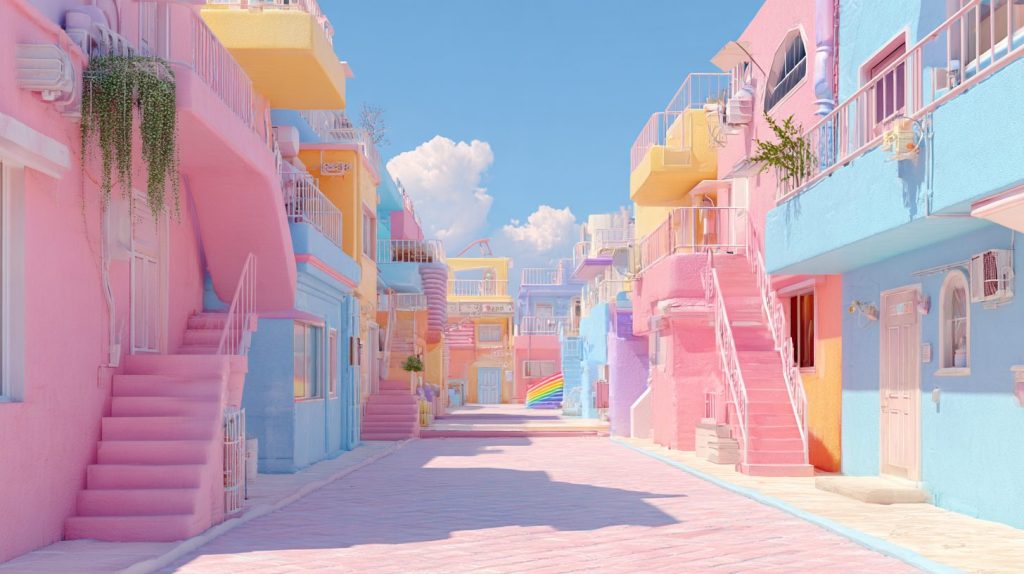
At first glance, Dreamcore can look harmless — even cozy.
But unlike purely cute aesthetics, Dreamcore often lacks warmth.
There is no activity.
No clear purpose.
No one present.
The softness exists without interaction, which gives Dreamcore its distinctive emotional tone.
Why Dreamcore Feels Familiar
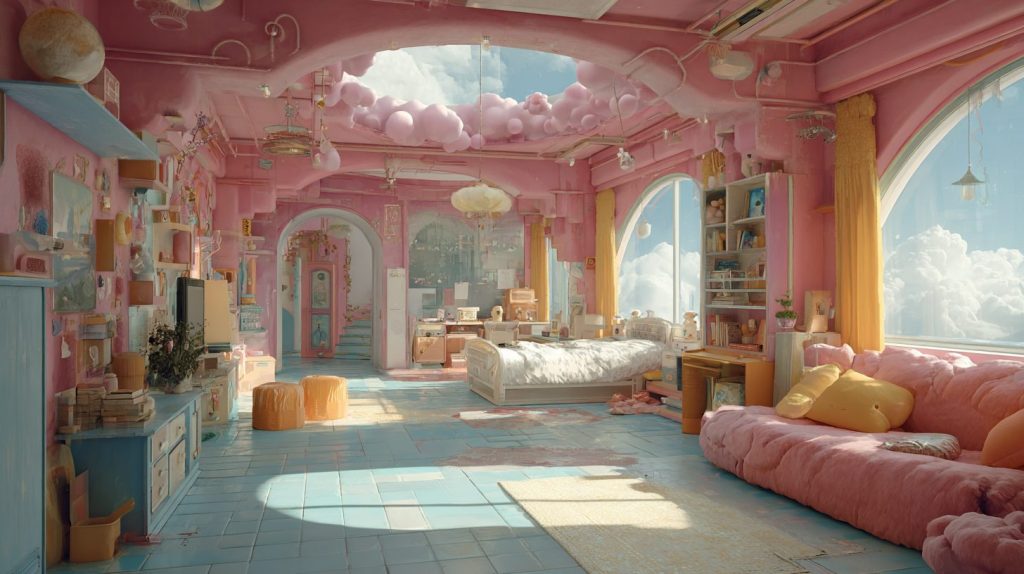
Dreamcore borrows from shared experiences:
- bedrooms
- schools
- play areas
- simple interiors
These spaces feel recognizable, even when they aren’t specific.
Your brain doesn’t search for detail — it reacts to emotional familiarity.
That’s why Dreamcore feels like remembering something you can’t quite place.
Comfort and Unease at the Same Time

One of Dreamcore’s defining traits is emotional contradiction.
Many people describe Dreamcore as:
- calming
- nostalgic
- safe
At the same time, they notice:
- emptiness
- distance
- a lack of grounding
This mix of comfort and unease is intentional.
It mirrors the emotional structure of dreams themselves.
Dreamcore vs. Liminal Spaces
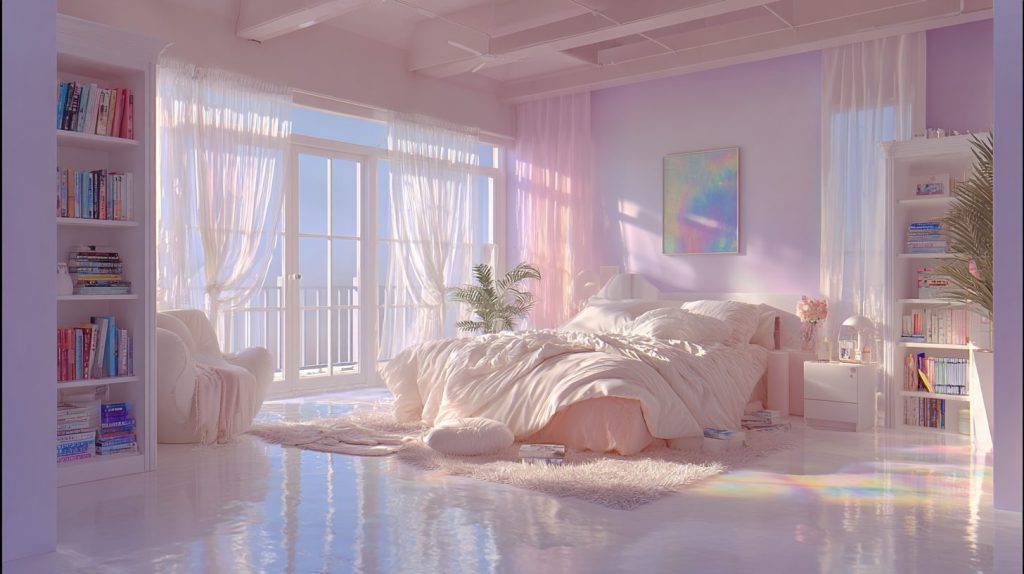
Dreamcore is often confused with liminal spaces, but they are not the same.
Liminal spaces focus on transition and pause — places meant to be passed through.
Dreamcore focuses on emotional atmosphere — places that feel suspended inside a dream.
A liminal space feels like waiting.
Dreamcore feels like resting inside something unreal.
Why Dreamcore Became Popular Online

Dreamcore spreads easily online because it fits how people browse the internet.
It doesn’t demand attention.
It doesn’t require explanation.
It works in moments of low energy — late nights, quiet scrolling, emotional fatigue.
Dreamcore images don’t interrupt your mood.
They continue it.
Is Dreamcore Nostalgic?
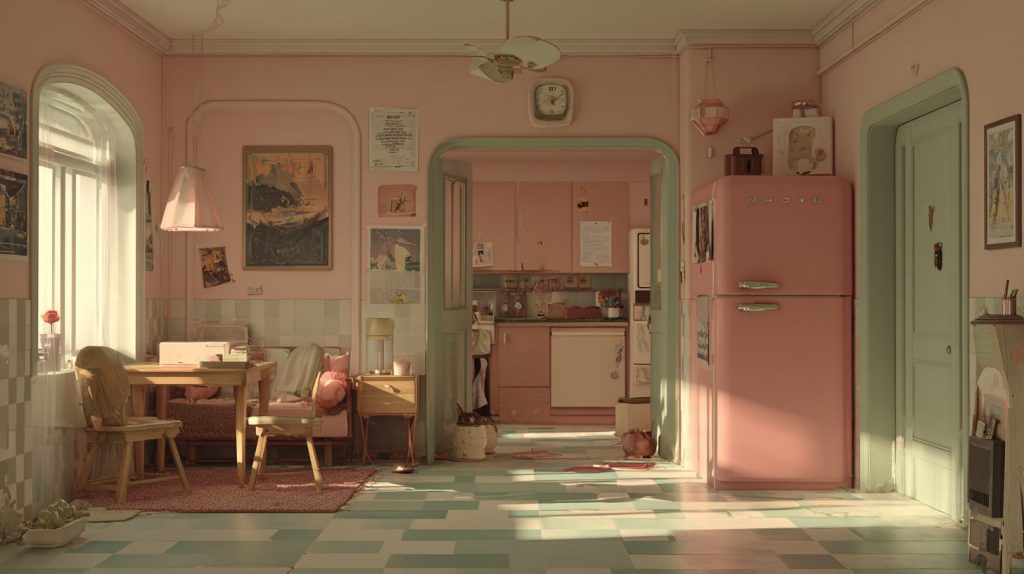
Dreamcore often feels nostalgic, but not for a specific time or event.
It’s nostalgia for:
- emotional simplicity
- childhood perception
- a sense of safety without responsibility
It recreates the feeling of remembering, not the memory itself.
Why Some People Love It

For many people, Dreamcore feels comforting.
It removes pressure:
- no goals
- no interaction
- no interpretation required
You’re allowed to simply exist inside the image.
In a world that constantly asks for response, this can feel deeply soothing.
Why Others Feel Uncomfortable
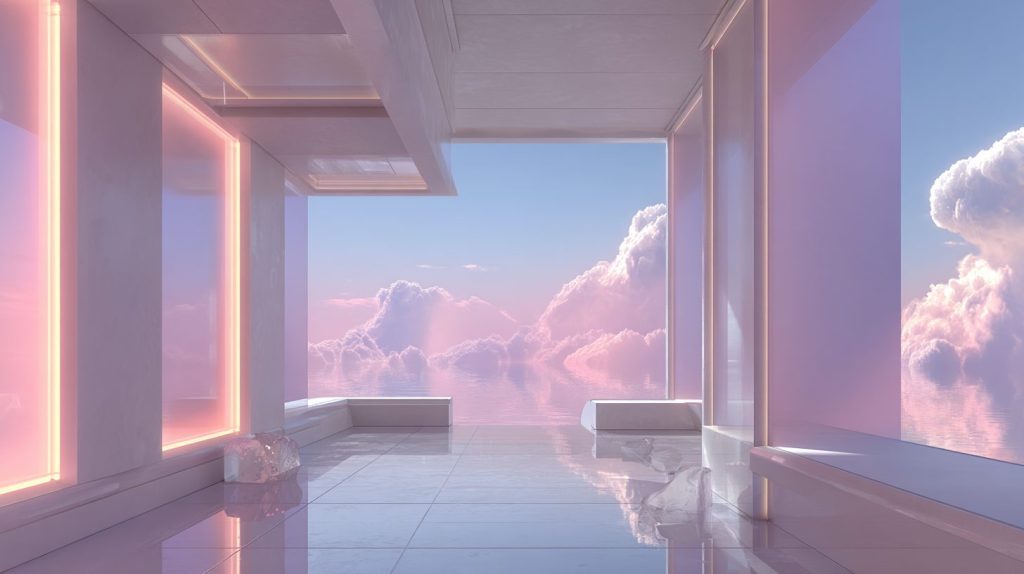
Not everyone reacts positively.
For some, Dreamcore feels empty or unsettling.
The lack of people, purpose, or narrative can trigger discomfort.
The softness feels impersonal.
The familiarity feels distant.
This reaction is just as valid — and part of what makes Dreamcore emotionally complex.
Dreamcore Is an Entry Point, Not the Whole Story
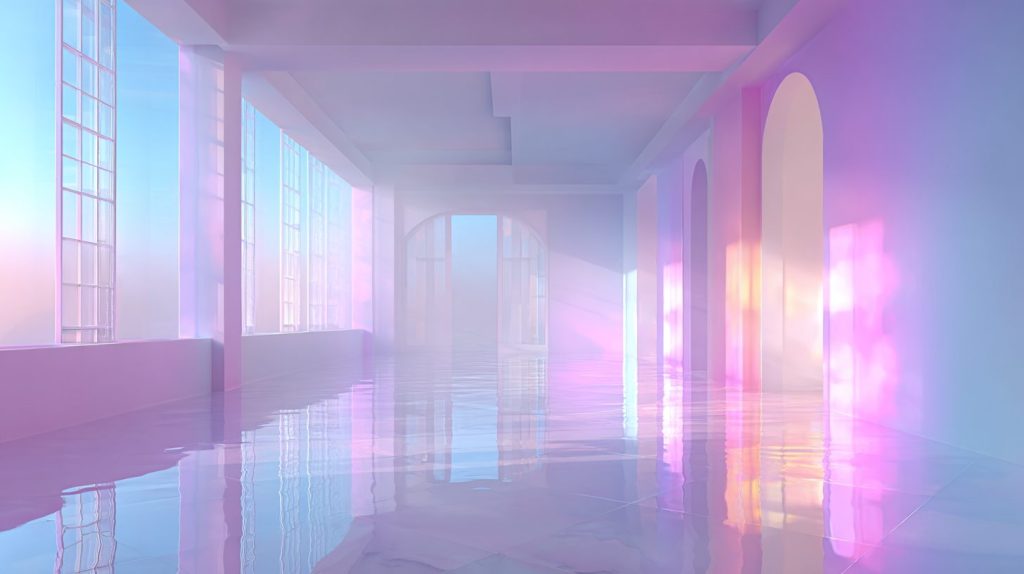
This article explains what Dreamcore is.
But it doesn’t fully explore:
- why it feels this way
- how it connects to memory
- or how it fits into broader internet culture
Those questions lead into deeper ideas like Dream Logic — the structure behind why certain images feel emotionally coherent without making logical sense.
If you want to explore that side, it’s examined here:
Dreamcore Explained: When the Internet Feels Soft and Unreal
In Short

Dreamcore is:
- soft
- familiar
- emotionally driven
- unreal without being fantastical
It doesn’t explain itself — and it doesn’t need to.
It exists to be felt, not understood.


Comment