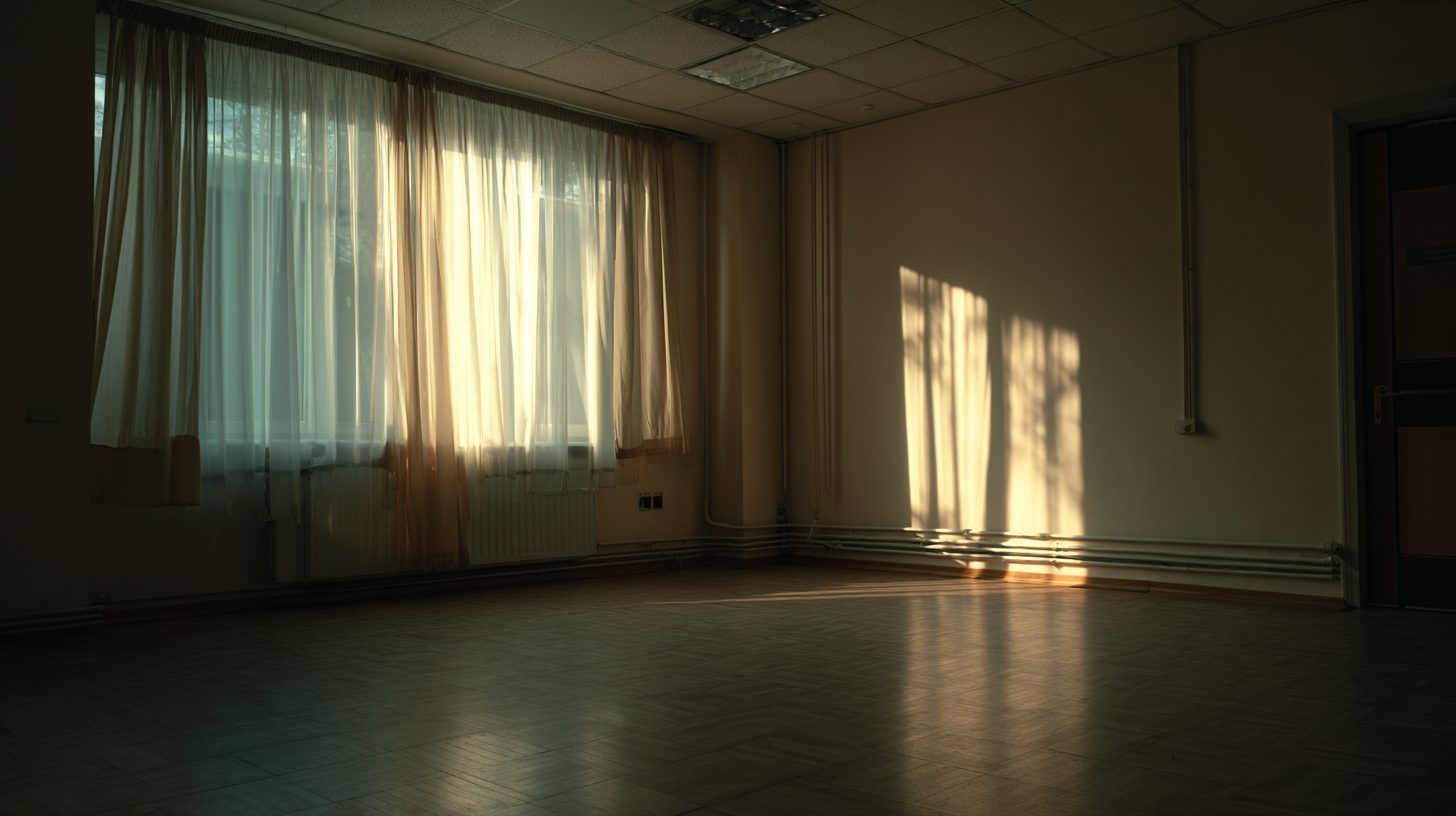
Liminal spaces are often associated with unease.
They feel empty, quiet, and unresolved. At first glance, they don’t seem comforting — let alone healing.
And yet, many people describe a different reaction.
They feel calmer.
Less pressured.
Momentarily at ease.
Can liminal spaces actually be healing?
The answer isn’t simple — and it isn’t universal. But understanding why this feeling occurs reveals something important about how people process emotion in modern life.
- Healing Doesn’t Always Mean Comfort
- The Relief of No Immediate Purpose
- Emotional Neutrality as Rest
- Why Control Matters
- When Unease Turns Into Grounding
- Why Healing Is Not Universal
- The Difference Between Healing and Avoidance
- Liminal Spaces as Transitional Support
- Why This Resonates Right Now
- Healing as Recognition, Not Cure
- Looking Ahead
Healing Doesn’t Always Mean Comfort

Healing is often imagined as warmth, reassurance, or positivity.
But some forms of relief come from reduction, not addition.
Liminal spaces remove:
- noise
- demand
- social expectation
- narrative pressure
What remains is not happiness, but quiet.
For some people, that quiet is restorative.
The Relief of No Immediate Purpose

Most environments tell us what to do.
Workspaces demand productivity.
Social spaces demand interaction.
Even leisure spaces suggest enjoyment.
Liminal spaces do none of this.
They exist without asking for participation.
This absence of instruction can feel like relief — especially for people experiencing cognitive or emotional overload.
Emotional Neutrality as Rest

Liminal spaces are emotionally neutral by design.
They are not celebrations.
They are not crises.
They are not conclusions.
This neutrality creates a rare condition: a space where emotion is allowed to pause without being replaced.
For some, that pause feels like rest.
Why Control Matters

Many people find liminal spaces calming because they restore a sense of control.
There is nothing to miss.
Nothing to respond to.
Nothing to perform.
You are present without being required.
This low-stakes presence can reduce anxiety, even if the space itself feels slightly uncanny.
When Unease Turns Into Grounding

Uncertainty is not always destabilizing.
In controlled doses, mild unease can anchor attention in the present moment. It interrupts rumination without overwhelming the senses.
Liminal spaces often produce this effect:
- just enough strangeness to break routine
- not enough threat to trigger fear
That balance can be grounding.
Why Healing Is Not Universal

Not everyone experiences liminal spaces as calming.
For some, emptiness amplifies:
- loneliness
- vulnerability
- loss of orientation
Personal history, emotional state, and context matter.
Liminal spaces do not heal on their own.
They interact with what the viewer brings into them.
The Difference Between Healing and Avoidance

There is an important distinction between rest and retreat.
Liminal spaces can offer temporary relief — but they do not resolve underlying issues. Staying suspended indefinitely can become avoidance rather than healing.
The value lies in passing through, not staying.
Liminal Spaces as Transitional Support

Seen this way, liminal spaces function less like destinations and more like support structures.
They provide a buffer:
- between tasks
- between identities
- between emotional states
They make transition gentler, not permanent.
Why This Resonates Right Now

Many people today live without clear transitions.
Work bleeds into rest.
Online presence bleeds into private life.
Change happens without closure.
Liminal spaces offer symbolic transitions where real ones are missing.
That symbolism can feel stabilizing.
Healing as Recognition, Not Cure

If liminal spaces heal, they do so quietly.
They don’t fix.
They don’t instruct.
They don’t promise transformation.
They simply recognize states that often go unacknowledged.
Sometimes, recognition is enough to soften distress — even briefly.
Looking Ahead

As interest in mental health and emotional regulation grows, liminal spaces will likely continue to be framed as soothing or therapeutic.
But their true value lies not in labels, but in function.
They remind us that rest doesn’t always come from resolution.
Sometimes, it comes from being allowed to exist — without explanation — in between.


Comment