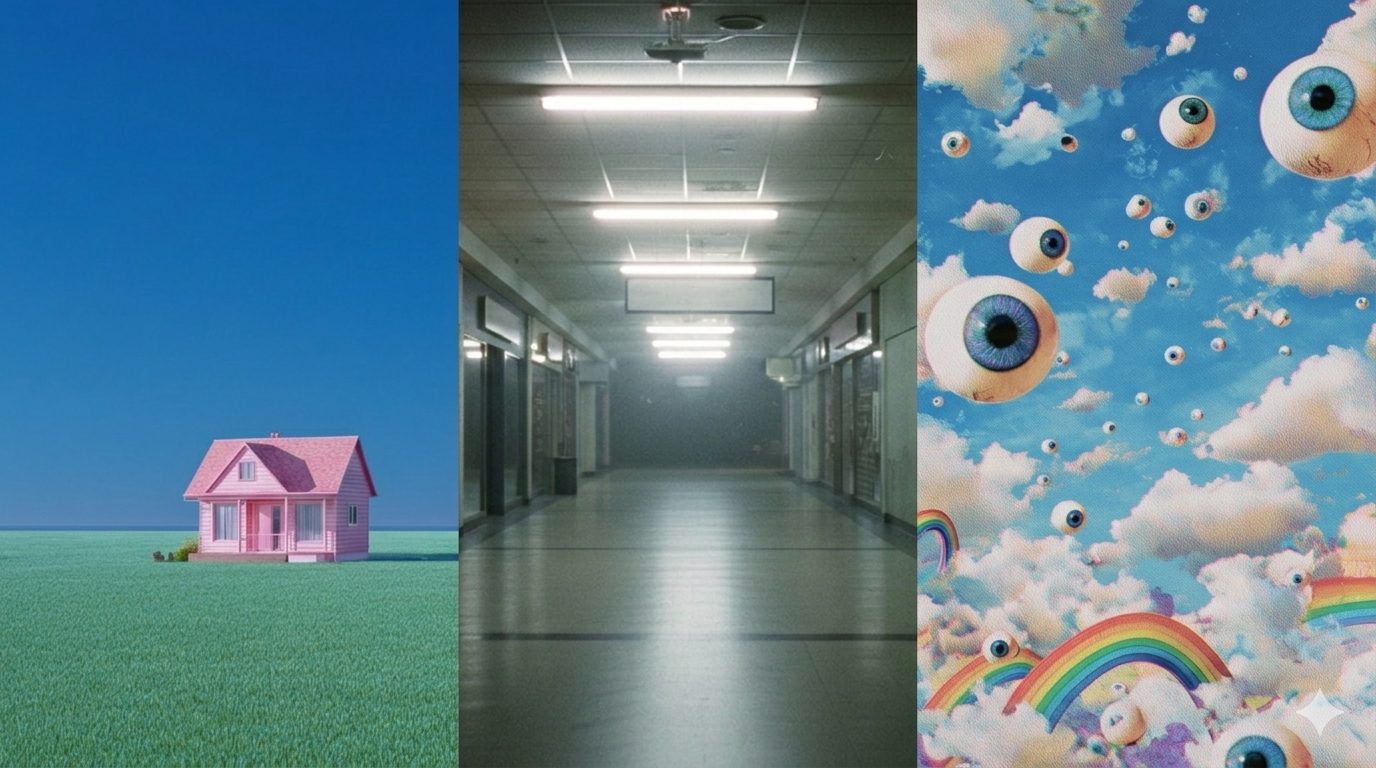
Strange visual trends have quietly taken over the internet.
Images of empty malls, distorted childhood memories, and surreal dream-like landscapes are being shared across platforms like TikTok, Tumblr, and Pinterest.
These aesthetics — commonly known as Dreamcore, Weirdcore, and Liminal Space — may look simple at first glance. But many people report feeling an unexpected mix of nostalgia, anxiety, and emotional discomfort when they encounter them.
So why do these images feel so powerful?
And what exactly is the difference between Dreamcore, Weirdcore, and Liminal Spaces?
In this article, we’ll explore how these internet aesthetics emerged, what psychological reactions they trigger, and why they have become defining symbols of modern digital culture.
- Why Do Dreamcore, Weirdcore, and Liminal Spaces Feel So Disturbing?
- Dreamcore: The Soft Horror of Childhood Memories
- Weirdcore: When Meaning Stops Existing
- Liminal Spaces: The Fear of Being Between Worlds
- The Real Difference Between Dreamcore, Weirdcore, and Liminal Space
- Why These Aesthetics Define Gen Z Internet Culture
- Are These Aesthetics the Future of Visual Culture?
- Conclusion
Why Do Dreamcore, Weirdcore, and Liminal Spaces Feel So Disturbing?
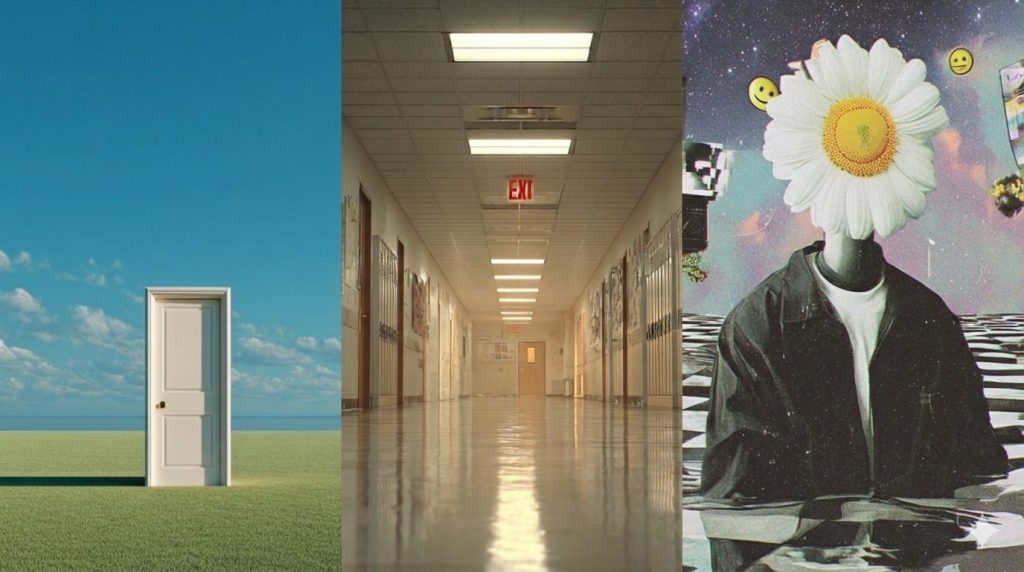
Images of empty hallways, distorted childhood memories, and surreal dreamlike scenes have become increasingly common across the internet.
These visuals are often grouped under labels like Dreamcore, Weirdcore, and Liminal Space.
While they look different on the surface, they tend to evoke similar emotional reactions — a mix of nostalgia, discomfort, and quiet unease.
Unlike traditional visual trends that focus on beauty or escapism, these aesthetics explore uncertainty.
They don’t offer clear meaning or narrative. Instead, they create emotional environments that feel familiar yet strangely distant.
This tension is part of what makes them compelling.
Dreamcore: The Soft Horror of Childhood Memories
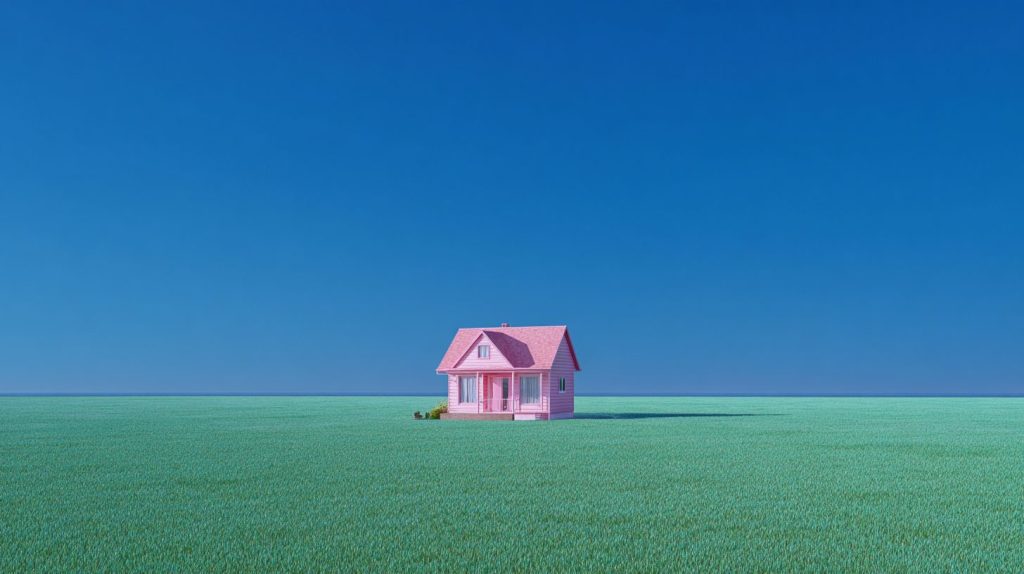
Dreamcore imagery often feels like fragments of a dream that fades the moment you try to remember it.
Soft colors, simple shapes, and symbols associated with childhood appear in ways that feel slightly off.
The result is not overtly frightening, but emotionally disorienting.
Childhood is usually remembered as a time of safety.
However, when those memories are placed in surreal or ambiguous contexts, they can become unsettling.
Dreamcore visualizes this instability. It suggests that memory itself is fluid and that even comforting experiences can feel unfamiliar when revisited.
Rather than constructing fantasy worlds, Dreamcore reflects internal psychological landscapes.
It invites viewers to sit with emotions that are difficult to define, making it less about imagination and more about perception.
Weirdcore: When Meaning Stops Existing
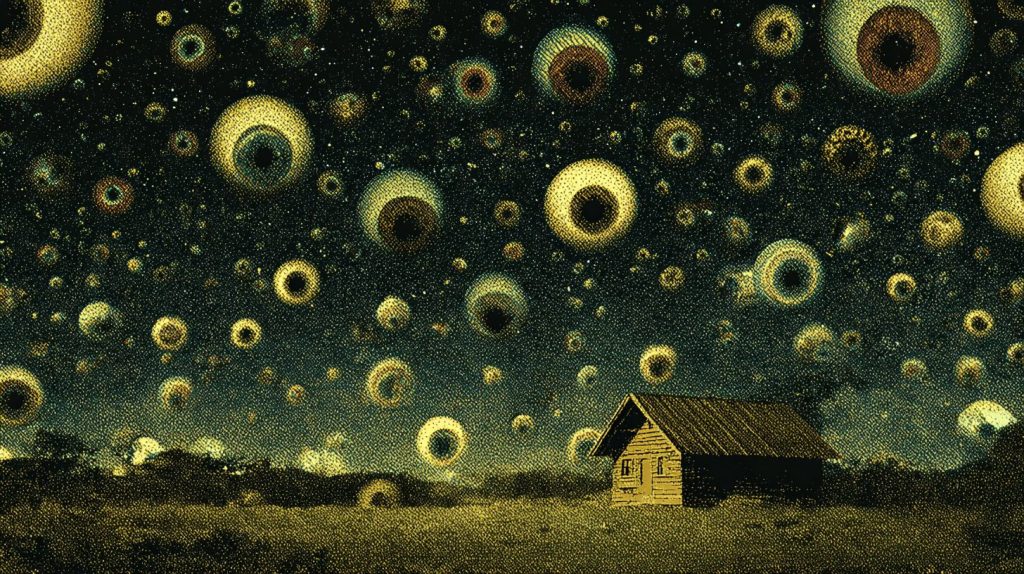
Weirdcore operates through confusion. Images may include nonsensical text, distorted spaces, or visual elements that resist interpretation.
Instead of relying on traditional horror tropes, Weirdcore creates discomfort by disrupting logical expectations.
This aesthetic can be understood as a response to digital life. Constant exposure to fragmented information, algorithmic feeds, and shifting online identities has normalized a sense of instability.
Weirdcore mirrors this experience, transforming disorientation into a shared visual language.
For many younger internet users, the lack of clear meaning is not necessarily negative. It reflects a reality in which certainty feels increasingly rare.
In this context, Weirdcore offers a form of recognition rather than fear.
Liminal Spaces: The Fear of Being Between Worlds
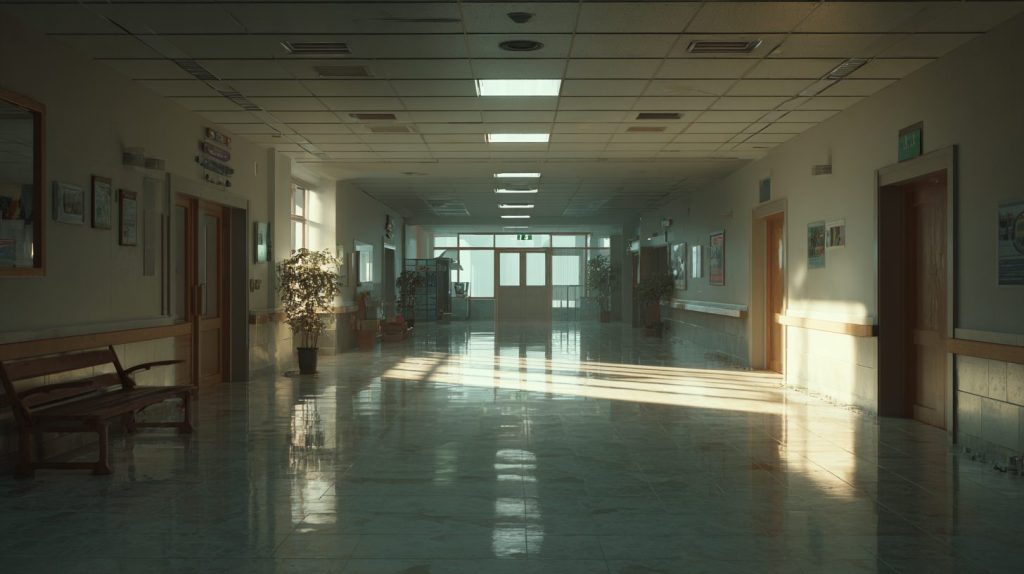
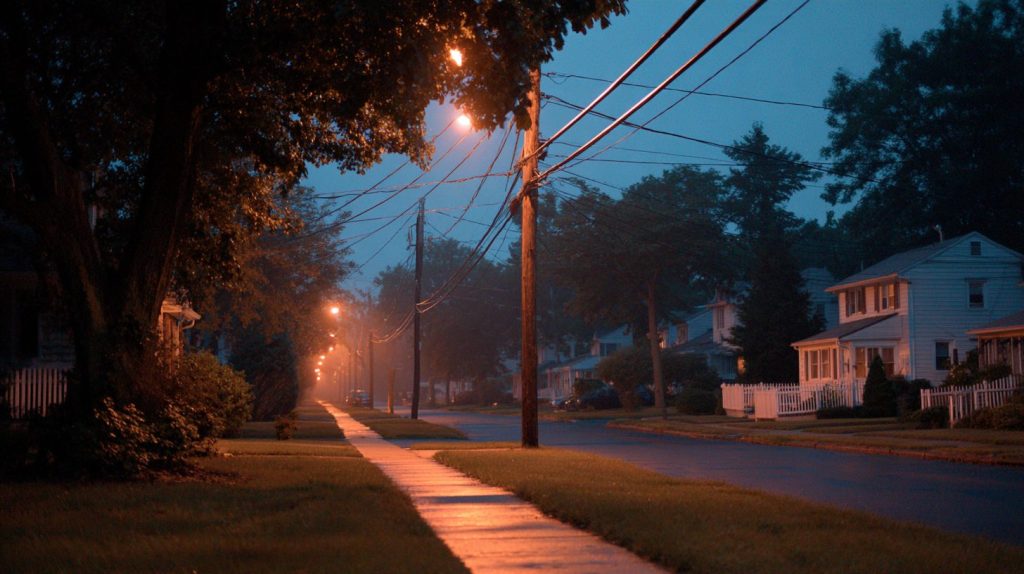
Liminal spaces are environments associated with transition — corridors, waiting areas, empty public buildings.
These places are not designed to be destinations. They exist to be passed through. When depicted as empty or timeless, they evoke a subtle psychological tension.
The discomfort linked to liminal spaces often stems from their ambiguity. Without people or activity, familiar environments lose their purpose.
Viewers are left to confront the sensation of being suspended between states.
Online, liminal imagery has evolved into a kind of digital mythology.
Concepts like the Backrooms illustrate how ordinary architectural spaces can become symbols of existential uncertainty.
They represent the fear of endless transition without resolution.
The Real Difference Between Dreamcore, Weirdcore, and Liminal Space
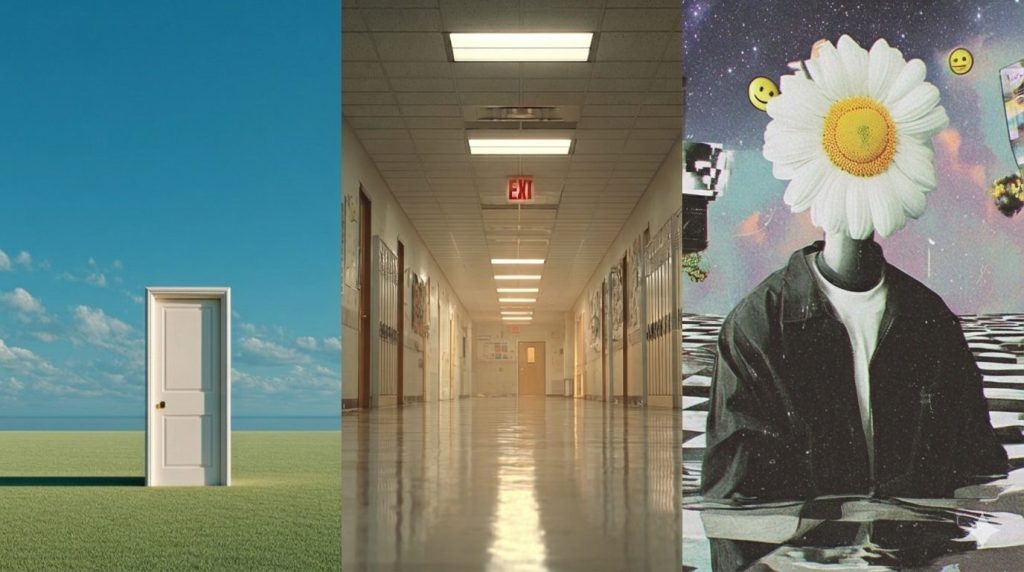
Although these aesthetics are frequently grouped together, their emotional focus differs. Dreamcore emphasizes memory and personal feeling.
Weirdcore centers on cognitive disruption and conceptual ambiguity. Liminal space explores environmental psychology and the emotional impact of physical surroundings.
Understanding these distinctions helps clarify why each aesthetic resonates differently. They address separate aspects of the same broader experience: navigating uncertainty in contemporary life.
Why These Aesthetics Define Gen Z Internet Culture
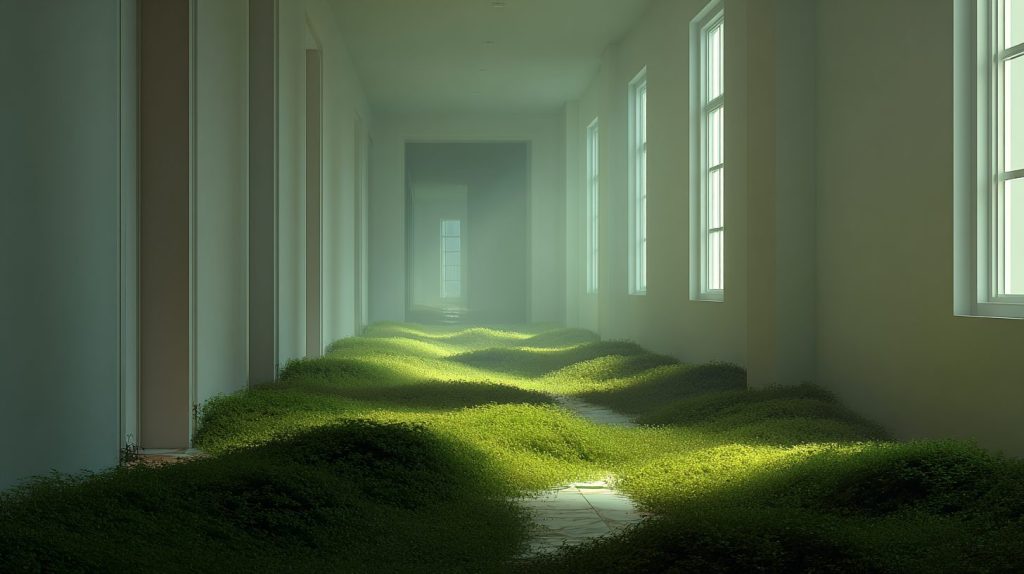
Growing up in a highly mediated world has changed how younger generations process emotion.
Fear, nostalgia, and identity are often experienced through digital environments as much as through physical reality.
These aesthetics reflect that shift. They translate abstract psychological states into visual form, making complex feelings easier to recognize and share.
In doing so, they function as cultural tools for understanding a rapidly changing world.
Are These Aesthetics the Future of Visual Culture?
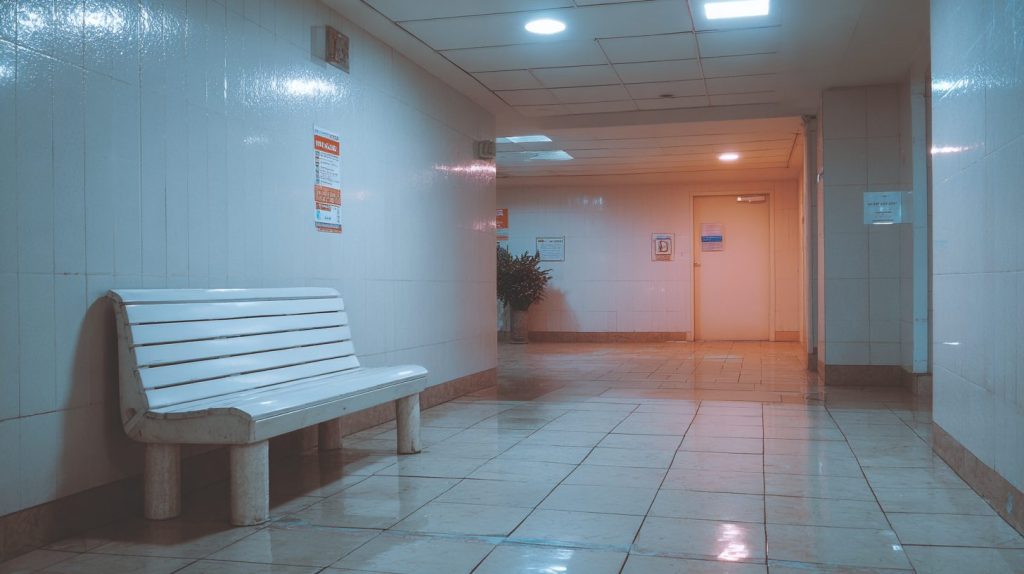
As technology continues to blur the line between physical and virtual experience, aesthetics that question reality may become more influential.
Trends that began in niche online communities are already shaping broader creative practices, including design and AI-generated art.
The popularity of Dreamcore, Weirdcore, and Liminal Space suggests that contemporary visual culture is moving away from idealized imagery.
Instead, it is becoming more interested in ambiguity, introspection, and emotional authenticity.
Conclusion
These aesthetics are not simply internet trends. They reflect deeper shifts in how people perceive memory, space, and meaning.
By engaging with them, viewers are not escaping reality. They are exploring new ways of understanding it.


Comment