
An internet aesthetic is a recurring visual and emotional pattern that spreads across digital platforms and creates a recognizable mood.
It is not just a style, and it is not simply a trend. Internet aesthetics form when certain images, spaces, colors, or atmospheres begin to repeat in ways that feel instantly familiar. People often respond to them emotionally before they fully understand why.
In simple terms, an internet aesthetic is a shared way of feeling online.
This article explains what internet aesthetics are, how they emerge, and why they often feel deeply personal despite being widely shared.
- Internet Aesthetic Meaning: A Simple Definition
- Why Internet Aesthetics Focus on Mood Rather Than Meaning
- Why the Internet Produces Aesthetics So Easily
- Why Internet Aesthetics Feel Personal
- Internet Aesthetics vs Online Trends
- The Role of Contextlessness
- From Images to Digital Environments
- Why Internet Aesthetics Matter
- In Summary
Internet Aesthetic Meaning: A Simple Definition

An internet aesthetic can be defined as a repeated visual-emotional pattern that circulates online and produces a consistent atmosphere.
Most internet aesthetics include:
- recognizable imagery
- a shared emotional tone
- repetition across platforms
- minimal or unclear narrative
Unlike traditional artistic styles, internet aesthetics are not usually defined by formal rules or single creators. They become recognizable through repetition and collective recognition.
If something feels familiar before it makes complete sense, it is likely functioning as an internet aesthetic.
Why Internet Aesthetics Focus on Mood Rather Than Meaning
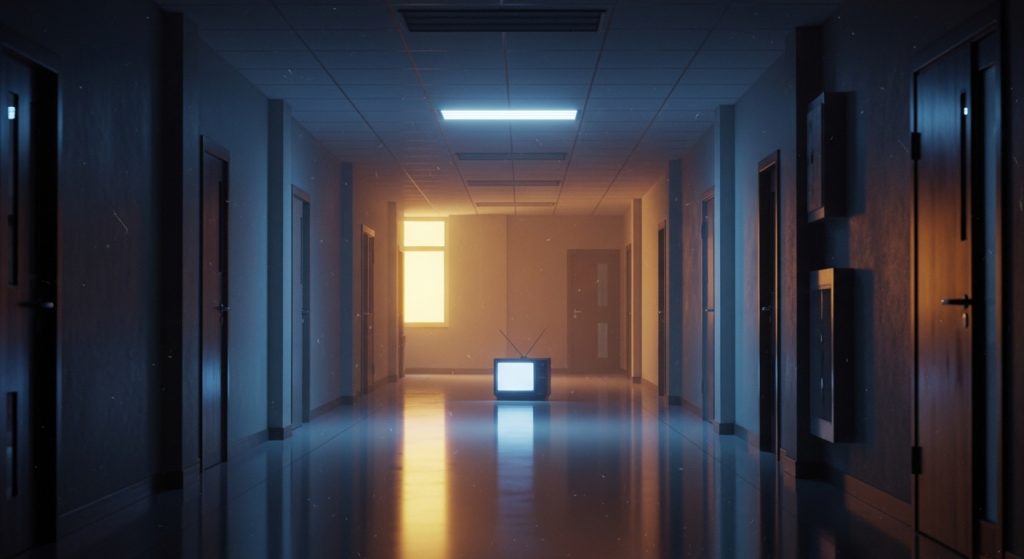
Traditional aesthetics often emphasize intention, symbolism, or historical context. Internet aesthetics work differently. They tend to establish mood before meaning.
People encountering aesthetic content online rarely begin by asking what an image represents. Instead, they notice how it feels. An image might appear nostalgic, distant, unsettling, soft, or strangely calming without offering a clear explanation.
This shift reflects how digital environments prioritize emotional perception. Online, atmosphere often matters more than interpretation.
Internet aesthetics do not need to explain themselves to be effective. Their influence comes from consistency of feeling rather than clarity of message.
Why the Internet Produces Aesthetics So Easily

The structure of digital platforms encourages repetition. Images circulate quickly, context disappears, and visual patterns reappear in slightly different forms.
Over time, repeated exposure creates familiarity. Familiarity generates emotional response.
An internet aesthetic tends to emerge when:
- similar visual elements appear repeatedly
- users respond emotionally before analytically
- the mood becomes recognizable on its own
Most aesthetics develop without centralized planning. They form through collective interaction, imitation, algorithmic amplification, and shared emotional recognition.
In this sense, internet aesthetics are not designed movements. They are emergent cultural patterns.
Why Internet Aesthetics Feel Personal

One of the defining characteristics of internet aesthetics is their ability to feel intimate. A simple image — an empty hallway, a late-night street, an overexposed childhood bedroom — can trigger emotional responses in thousands of viewers.
These responses often connect to memory, routine, generational media experiences, or familiar spatial environments.
The image does not need to represent a specific event. It only needs to resemble the emotional structure of remembered experience.
This creates a paradox. The feeling seems individual, but it is widely shared.
Internet aesthetics feel personal because they activate emotional recognition.
They spread because that recognition is collective.
Internet Aesthetics vs Online Trends
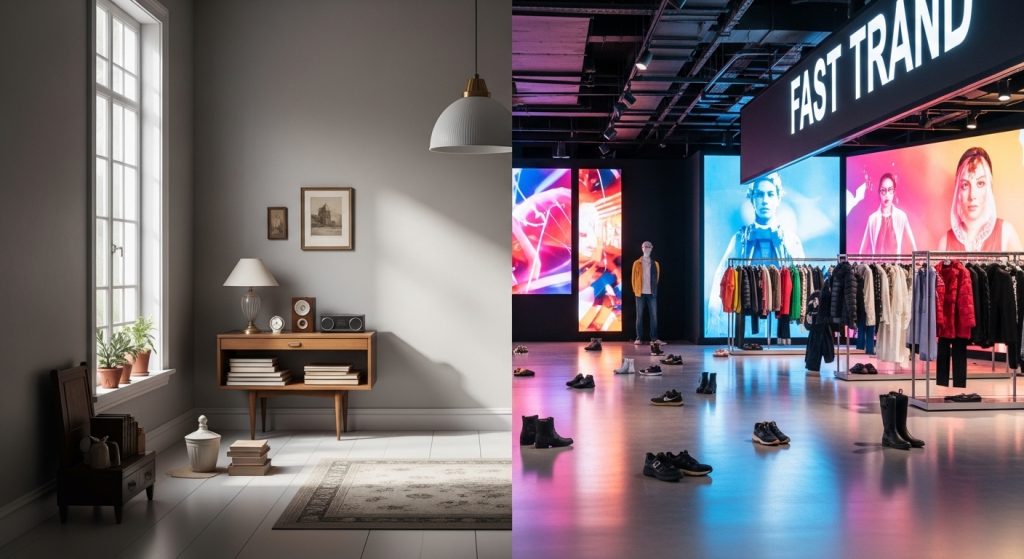
Internet aesthetics are frequently mistaken for trends, but the two operate differently.
Trends depend on novelty and often fade when attention shifts. Internet aesthetics persist because they reflect underlying emotional conditions rather than temporary preferences.
A trend encourages participation. An aesthetic encourages recognition.
A trend is time-sensitive. An aesthetic can reappear across platforms and years while maintaining emotional continuity.
This persistence suggests that internet aesthetics function as cultural mood structures rather than stylistic fads.
The Role of Contextlessness

Many internet aesthetics circulate without clear origin or explanation. Images are reposted, detached from original captions, and encountered as isolated fragments.
This lack of context changes how viewers engage with visual content. Instead of searching for narrative, they focus on atmosphere. Meaning becomes optional, while emotional tone becomes central.
Contextlessness makes aesthetic content both accessible and ambiguous. It allows users to project personal interpretation while still participating in a shared emotional environment.
From Images to Digital Environments

As internet aesthetics develop, they move beyond individual images and begin to shape entire digital spaces.
A social media feed can start to feel consistently nostalgic, surreal, minimal, or uncanny. At this stage, users are not simply observing an aesthetic. They are experiencing an environment structured by repeated emotional cues.
This shift matters because it influences perception. Aesthetic environments can alter how digital space feels, how attention is directed, and how time is experienced online.
They are not merely decorative. They contribute to the emotional architecture of digital life.
Why Internet Aesthetics Matter

Internet aesthetics matter because they organize emotion in fragmented digital environments. They provide continuity in spaces characterized by rapid information flow and constant context switching.
They also function as forms of indirect communication. Many users express identity, mood, or psychological states through curated aesthetic signals rather than explicit statements.
In this way, internet aesthetics operate as cultural tools. They help translate diffuse emotional experience into recognizable visual form.
Understanding them offers insight into how people experience contemporary digital reality.
In Summary

An internet aesthetic is a recurring visual and emotional pattern that spreads online and becomes recognizable through shared mood.
It is defined less by rules than by recognition. It often feels personal despite being collective. It influences perception even when it does not provide clear meaning.
More than a visual trend, an internet aesthetic reflects how digital environments shape emotional experience.


Comment