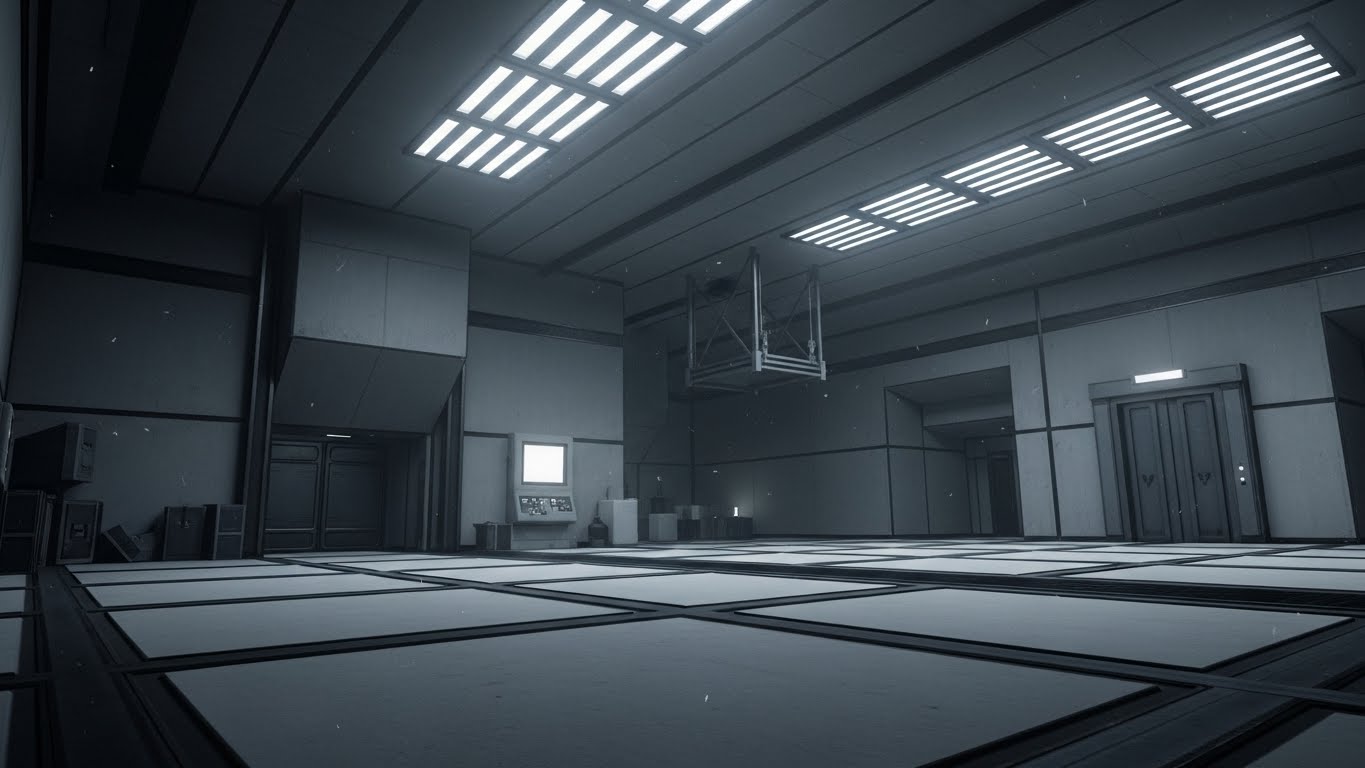
Some of the most powerful liminal spaces don’t exist in the physical world at all.
They appear in video games, virtual environments, and digital worlds — places made entirely of code, yet capable of evoking the same unease, nostalgia, and emotional suspension as empty malls or silent hallways.
In some cases, they feel even stronger.
Why do digital spaces, which we know aren’t real, so often feel deeply liminal?
- Why Video Games Create Liminal Spaces So Easily
- Empty Multiplayer Maps and Offline Worlds
- Tutorial Levels, Menus, and Loading Spaces
- Glitches, Unfinished Areas, and Boundary Spaces
- Why Digital Liminal Spaces Feel Different
- What Digital Liminal Spaces Reveal
- Liminality Beyond the Physical World
- Looking Ahead
Why Video Games Create Liminal Spaces So Easily
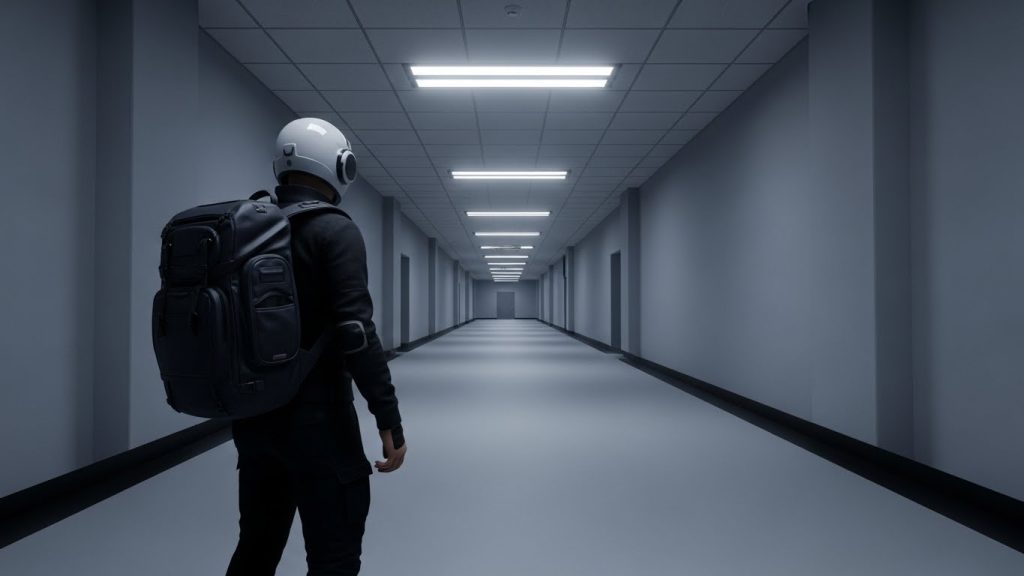
Video games are built around movement.
Players are constantly transitioning:
- from one level to another
- from menu to gameplay
- from instruction to action
This makes liminality structural, not accidental.
Transitional Levels and In-Between Areas
Many game environments are designed to be passed through, not inhabited:
- corridors between combat zones
- elevators and stairwells
- hub areas before progression
When these spaces lack narrative focus, they feel suspended. The game acknowledges their existence but doesn’t fully activate them.
They exist between intention and action.
Spaces Meant to Be Passed Through
In physical architecture, liminal spaces are often overlooked.
In games, they’re unavoidable.
You must walk through them.
You must wait inside them.
That enforced pause amplifies their emotional impact.
Empty Multiplayer Maps and Offline Worlds
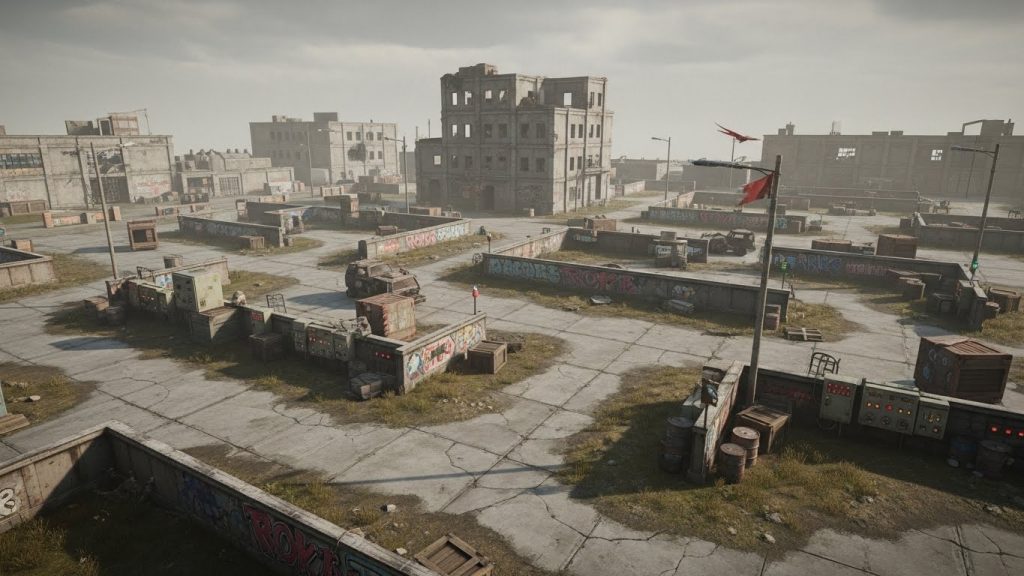
Few digital environments feel as liminal as a multiplayer map with no players.
These spaces were designed entirely around human presence:
- cooperation
- competition
- noise and movement
Without players, the environment feels wrong.
Familiar Spaces Without Players
An empty multiplayer map is recognizable but incomplete. Spawn points, objectives, and cover remain — but their purpose disappears.
The map becomes a shell of past activity.
This mirrors real-world liminal spaces: places that only make sense when people are there.
When a Game World Feels Abandoned
Unlike real abandonment, digital emptiness feels immediate.
A server goes offline, and a once-living world becomes silent instantly. That sudden absence creates a powerful sense of loss, even if nothing has technically been destroyed.
The world didn’t decay.
It simply stopped.
Tutorial Levels, Menus, and Loading Spaces

Some of the most overlooked liminal spaces in games are the most functional ones.
Designed to Teach, Not to Stay
Tutorial levels exist solely to prepare the player. Once their purpose is fulfilled, they are meant to be forgotten.
They often lack:
- narrative depth
- emotional stakes
- lasting consequences
That makes them feel disposable — yet strangely memorable.
Functional Spaces Without Narrative
Menus, loading screens, and staging areas exist outside the story.
They aren’t part of the world, but they aren’t fully separate from it either. Time pauses. Identity blurs. The player exists in a neutral state.
These moments are digital thresholds.
Glitches, Unfinished Areas, and Boundary Spaces
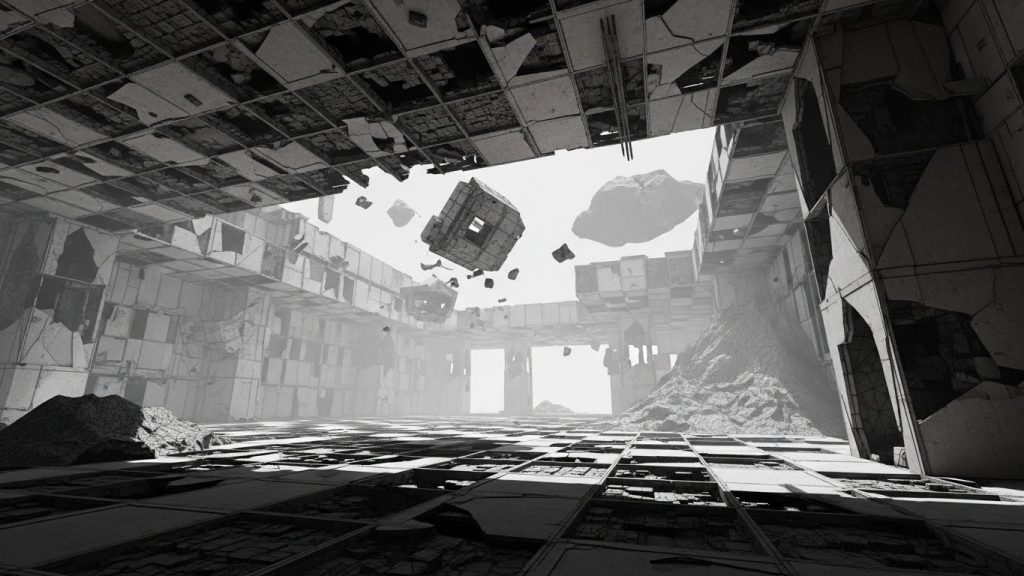
Some of the strongest liminal experiences in games happen unintentionally.
Seeing Behind the World
Glitches, out-of-bounds areas, and unfinished spaces reveal the structure behind the illusion.
Textures repeat. Geometry breaks. Sound disappears.
These moments feel unsettling because they expose the game as a system rather than a world.
When the Game Breaks Its Illusion
Liminality intensifies when the rules dissolve.
You’re no longer playing within the designed experience. You’re standing between intention and execution — inside a space that wasn’t meant to be seen.
This is digital liminality at its most raw.
Why Digital Liminal Spaces Feel Different
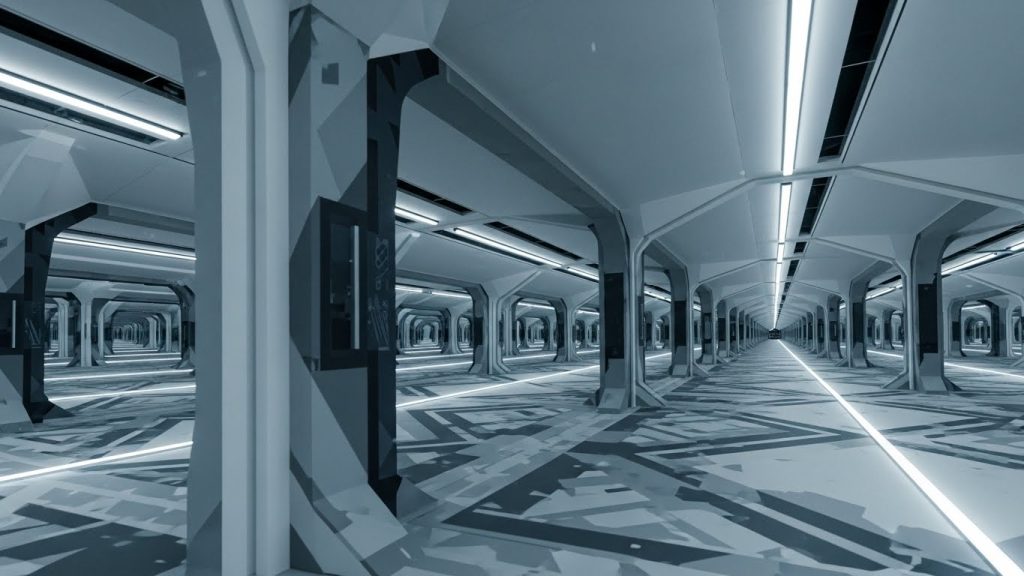
Digital liminal spaces don’t rely on personal memory in the same way physical ones do.
Instead, they rely on structure.
No Physical Memory, Only Design
A digital hallway doesn’t remind you of childhood directly.
It reminds you of patterns:
- repetition
- systems
- routines
The nostalgia is indirect. It comes from recognizing familiar design logic rather than lived experience.
Artificial Time and Repetition
Games operate on artificial time.
Day and night cycles repeat endlessly. Events reset. Progress loops.
This repetition removes a sense of finality, making digital spaces feel permanently suspended — always waiting, never concluding.
What Digital Liminal Spaces Reveal
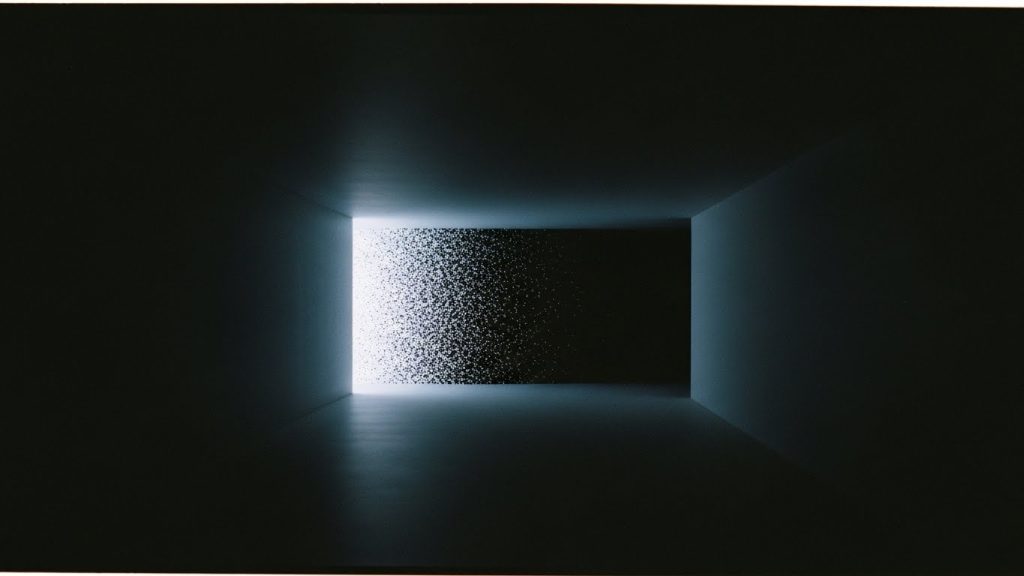
Control, Agency, and Suspension
In games, players expect agency.
Liminal spaces interrupt that expectation. They limit action, slow progress, or remove objectives entirely.
This loss of control is subtle but emotionally powerful.
Why These Spaces Stay With Us
Digital liminal spaces linger because they expose the scaffolding of experience.
They remind us that:
- worlds are constructed
- movement is guided
- meaning is often assigned, not inherent
These realizations don’t feel dramatic — they feel quietly destabilizing.
Liminality Beyond the Physical World
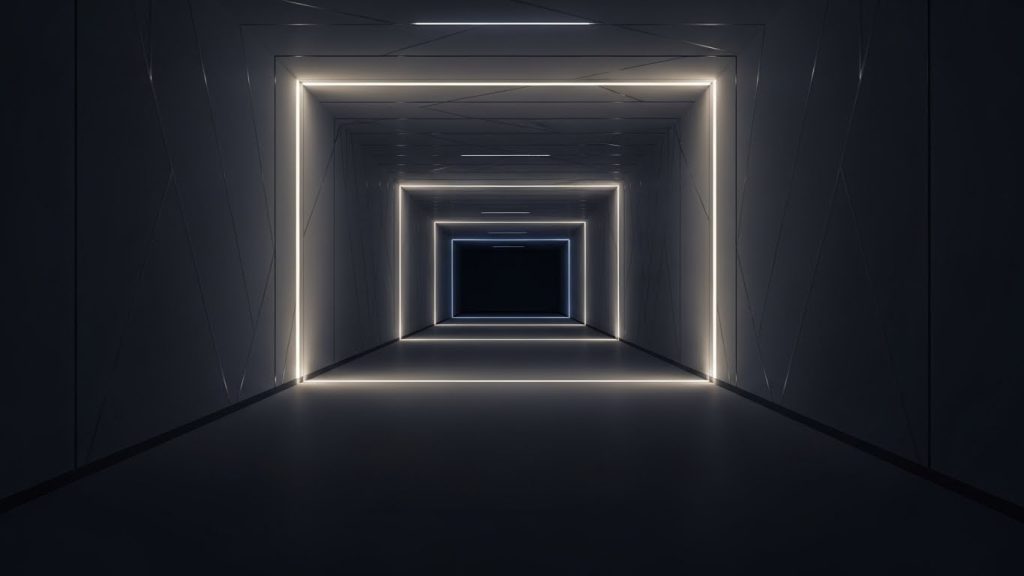
Liminal spaces in video games show that liminality isn’t tied to concrete or architecture.
It’s tied to systems of movement, expectation, and pause.
Whether physical or digital, liminal spaces appear wherever people are guided through structures without fully inhabiting them.
Looking Ahead

As digital worlds become more immersive, liminal spaces will only multiply.
Virtual environments, simulations, and online platforms all rely on transitional states — loading, waiting, connecting, disconnecting.
Understanding liminal spaces in games helps us recognize them elsewhere: in interfaces, platforms, and everyday digital life.
They are no longer just places we walk through.
They are states we exist within.


Comment