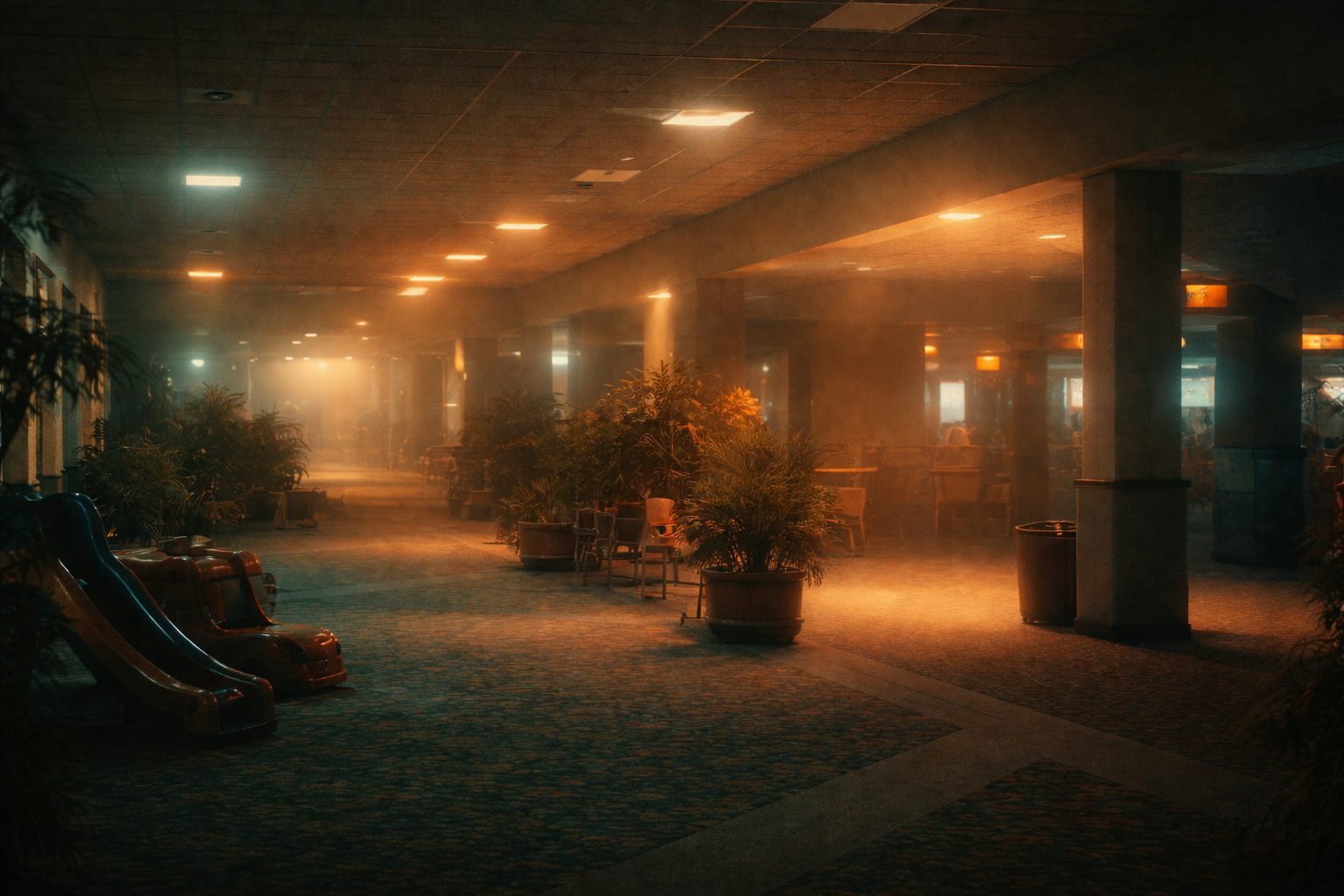
Liminal spaces are often described as nostalgic.
An empty school hallway.
A quiet shopping mall.
A familiar place with no one inside it.
People say these images remind them of childhood — or of a time that feels distant and lost.
But are liminal spaces actually a form of nostalgia?
- They Feel Nostalgic — But Not for a Specific Memory
- Nostalgia Is About Return — Liminality Is About Pause
- Familiarity Without Personal Attachment
- Why the Feeling Gets Labeled as Nostalgia
- Nostalgia Has Warmth — Liminal Spaces Often Don’t
- The Role of Routine Memory
- Why Liminal Spaces Can Feel Comforting Anyway
- When Nostalgia and Liminality Overlap
- Why This Matters
- How This Connects to Internet Culture
- Looking Deeper
- In Short
They Feel Nostalgic — But Not for a Specific Memory
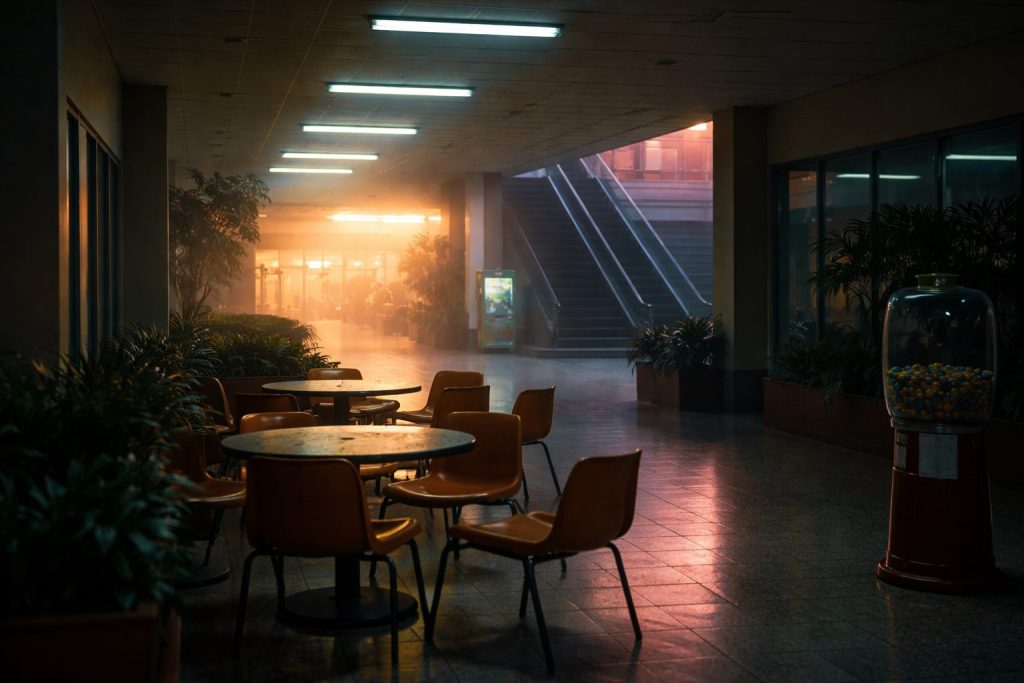
Traditional nostalgia is tied to something concrete.
A place you remember.
A moment you lived through.
A past you can name.
Liminal spaces work differently.
They rarely trigger a specific memory.
Instead, they evoke a general sense of “before” or “after.”
The feeling is familiar — but unlocated.
That already sets them apart from classic nostalgia.
Nostalgia Is About Return — Liminality Is About Pause

Nostalgia looks backward.
It reconnects you to something completed.
Liminal spaces don’t return you anywhere.
They suspend you.
These spaces exist between states:
- before arrival
- after departure
- during waiting
You’re not remembering a past moment.
You’re lingering in a moment that doesn’t fully belong to time.
Familiarity Without Personal Attachment
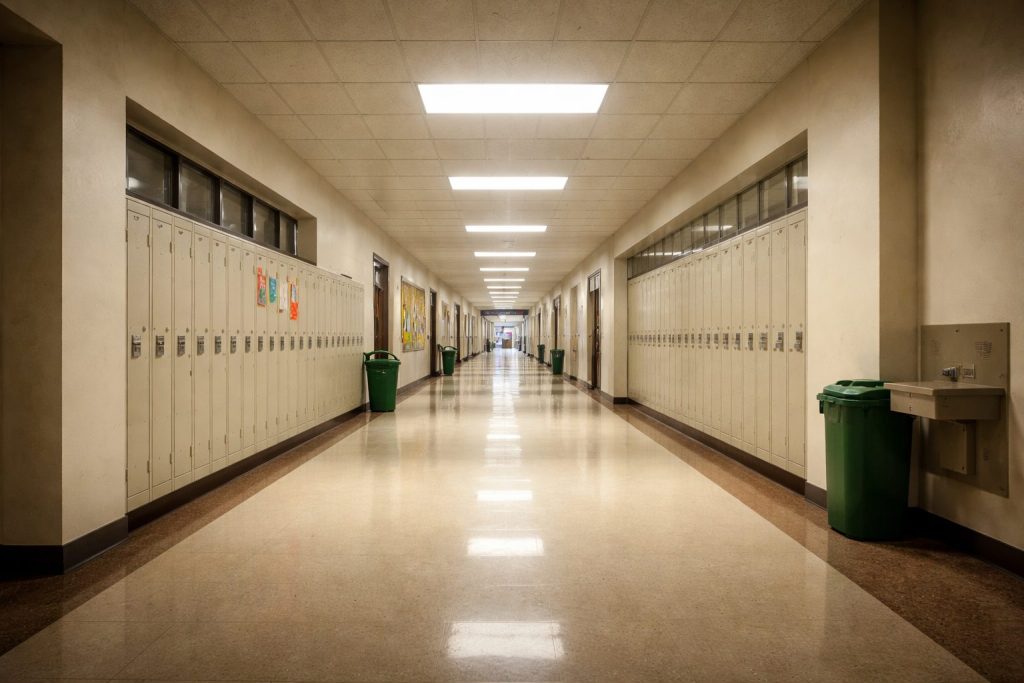
Liminal spaces are familiar because they are shared.
Almost everyone has been:
- in a school hallway
- in a mall
- in a hotel corridor
But that familiarity isn’t personal.
You don’t remember your hallway.
You recognize the type of space.
This creates emotional recognition without autobiographical memory — which feels similar to nostalgia, but isn’t the same thing.
Why the Feeling Gets Labeled as Nostalgia
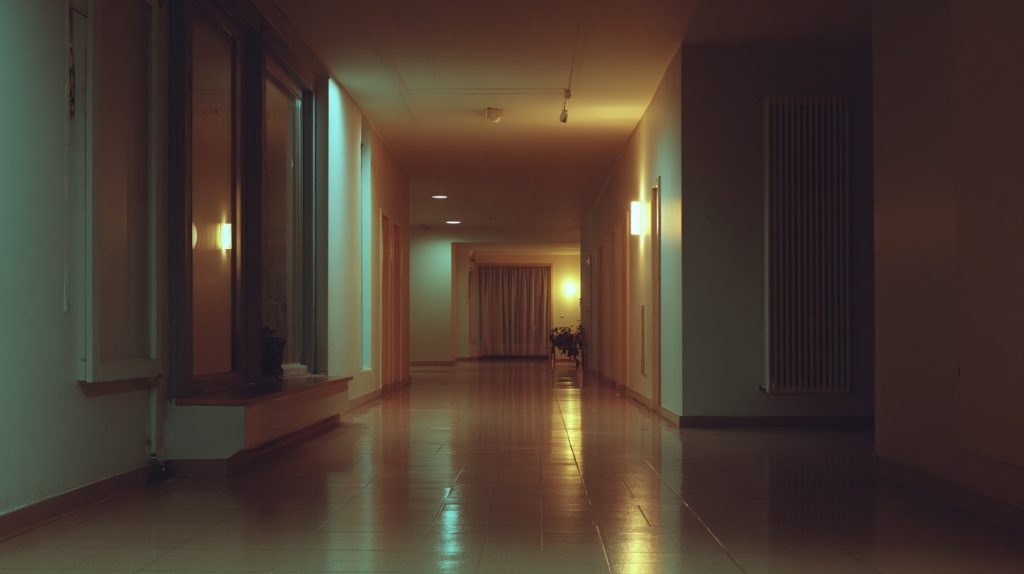
Many people use “nostalgic” as a shorthand for:
- quiet
- distant
- emotionally soft
- slightly melancholic
Liminal spaces often produce those feelings.
When language runs out, nostalgia becomes the closest available label.
But what’s being felt isn’t longing for the past — it’s comfort with stillness.
Nostalgia Has Warmth — Liminal Spaces Often Don’t
Even bittersweet nostalgia usually contains warmth.
A sense of belonging.
A feeling of being held by memory.
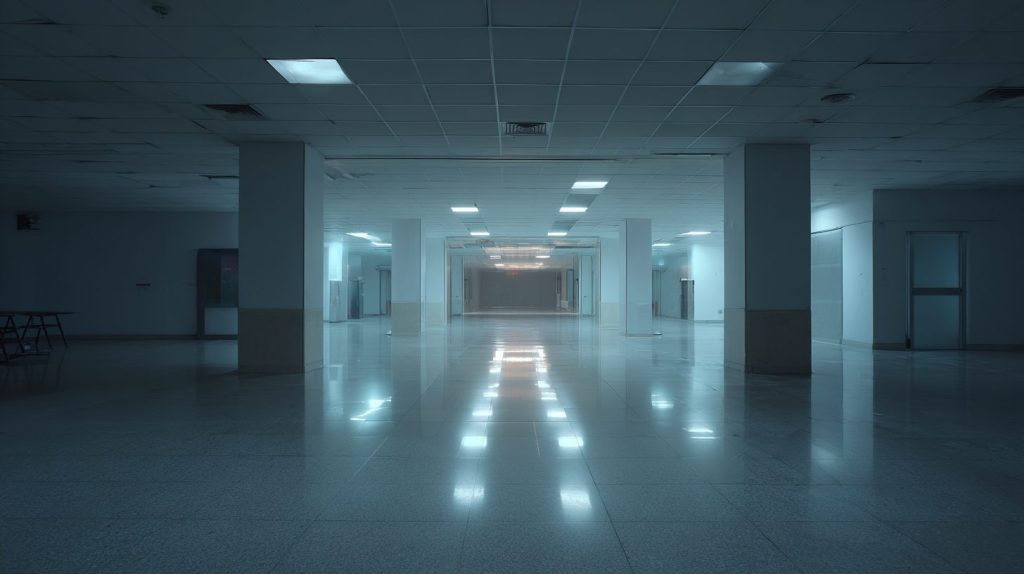
Liminal spaces are colder.
They don’t welcome you.
They don’t remember you.
You are present — but unnecessary.
That emotional distance is not typical of nostalgia.
The Role of Routine Memory

What liminal spaces often recall is routine, not memory.
The feeling of:
- moving through places without thinking
- following schedules
- existing inside predictable structure
These routines often belong to earlier periods of life — especially childhood or adolescence.
When those routines disappear, their absence can feel nostalgic.
But the nostalgia isn’t for the space itself.
It’s for the structure that once surrounded it.
Why Liminal Spaces Can Feel Comforting Anyway
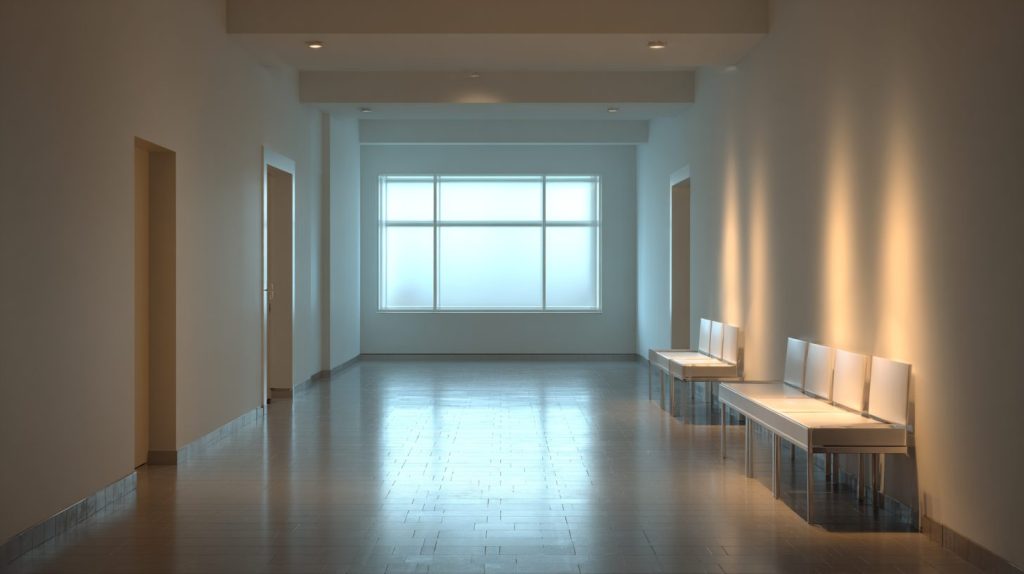
Despite the distance, some people find liminal spaces calming.
That’s because they remove demand.
No interaction.
No decision.
No urgency.
This comfort can resemble nostalgia — but it functions more like relief than remembrance.
When Nostalgia and Liminality Overlap
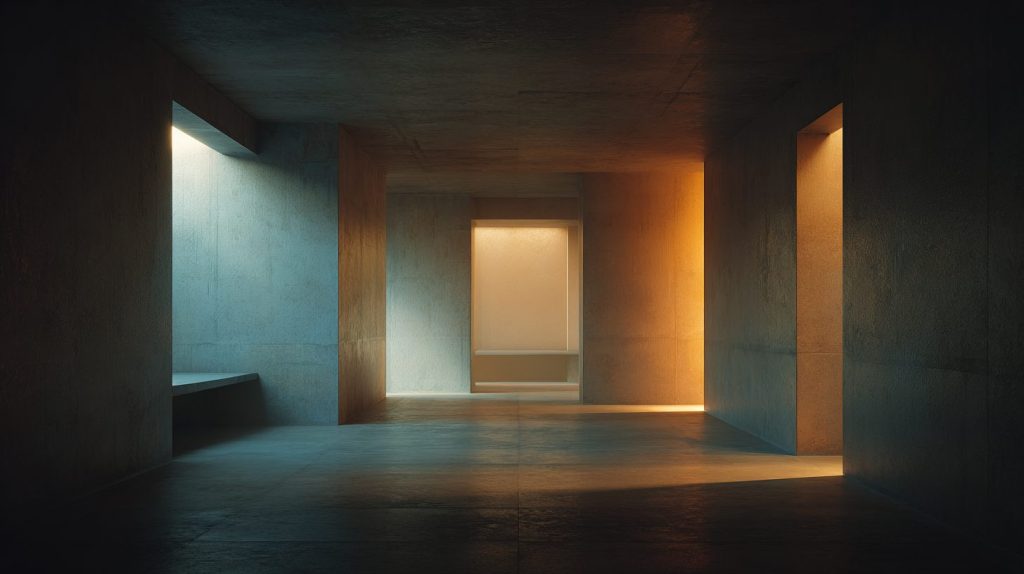
There is overlap.
Liminal spaces can become nostalgic when:
- the viewer associates them with a specific period
- the image echoes a known routine
- personal memory fills the gap
In those cases, liminality becomes a container for nostalgia — not the source of it.
Why This Matters
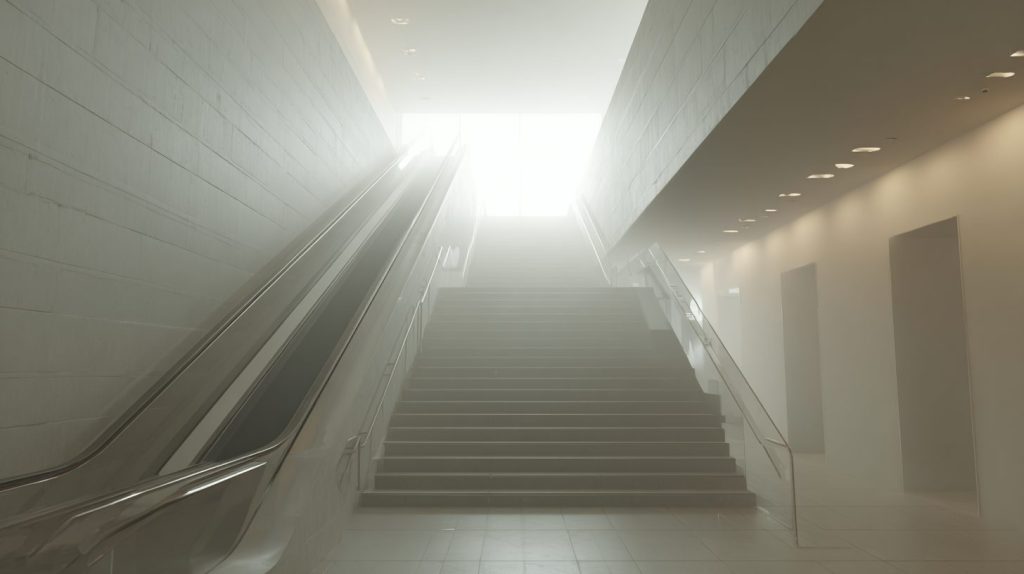
If liminal spaces were simply nostalgic, their appeal would fade as memories faded.
But they persist — even for people too young to remember the eras they resemble.
That persistence suggests something broader.
Liminal spaces don’t just point backward.
They reflect a present-day feeling of being between states — socially, emotionally, culturally.
How This Connects to Internet Culture
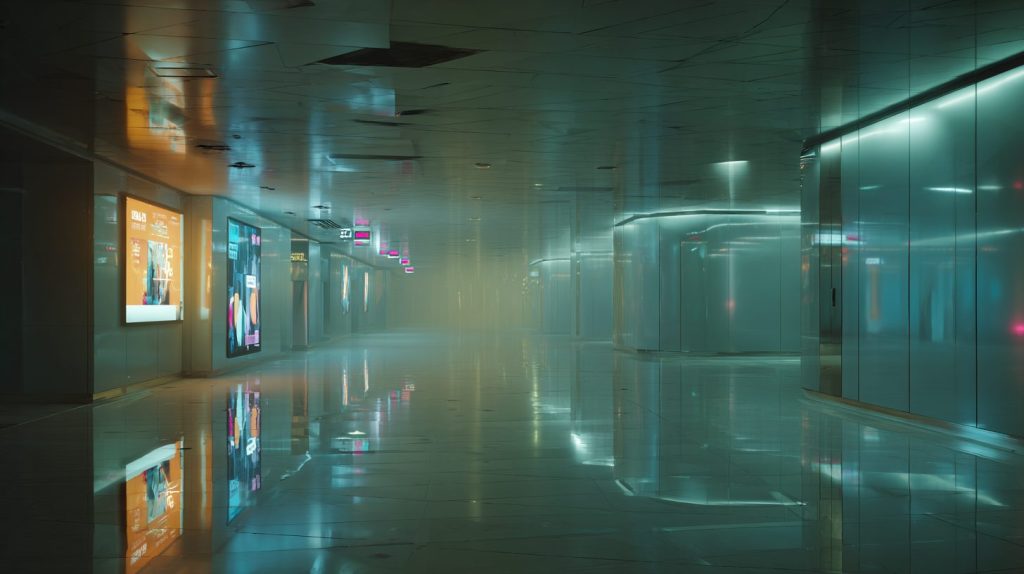
Online, many people exist in constant transition.
Between posts.
Between moods.
Between roles.
Liminal spaces visualize that condition.
They don’t remind us of the past as much as they mirror how the present feels.
Looking Deeper
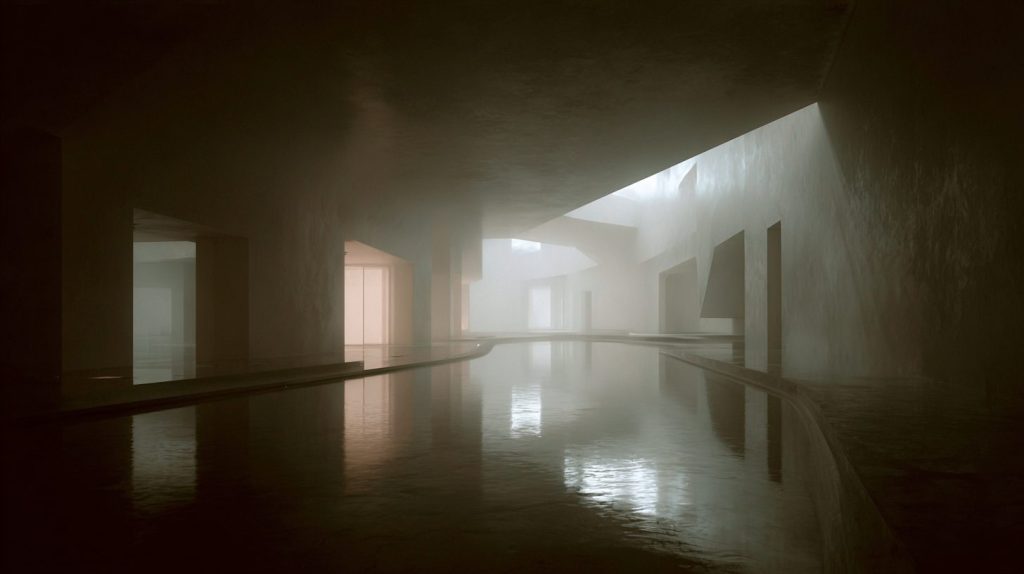
This article asks whether liminal spaces are a form of nostalgia.
The deeper answer involves:
- emotional transition
- routine loss
- internet culture
- and Dream Logic — the structure that allows spaces to feel emotionally coherent without clear narrative.
That exploration continues in the Liminal Spaces category elsewhere on this site.
In Short
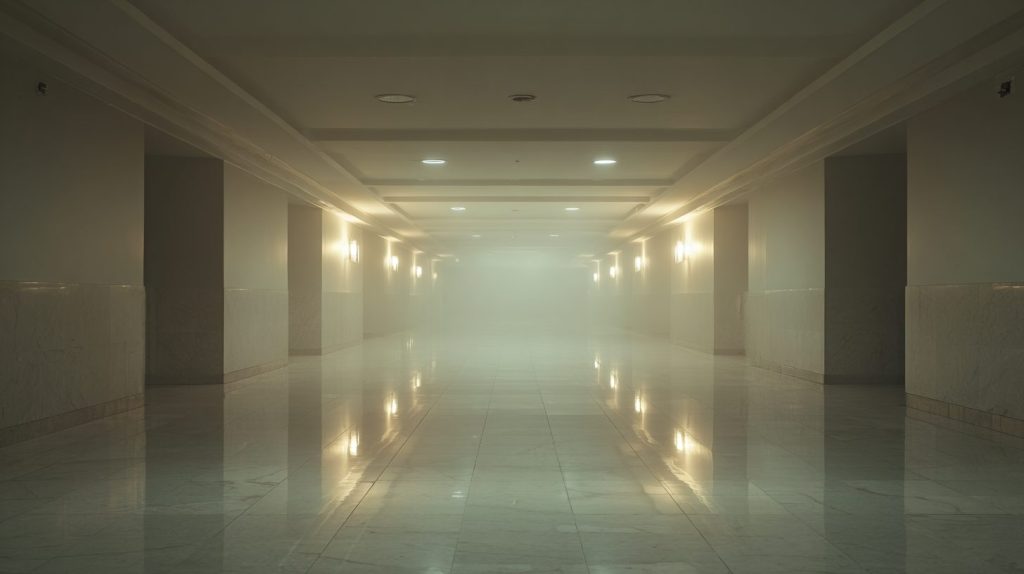
Liminal spaces are not exactly nostalgia.
They:
- feel familiar without being personal
- evoke pause rather than return
- recall routines more than memories
They can contain nostalgia — but they are not built from it.
They don’t take you back.
They hold you in between.


Comment