
Liminal spaces are not places you are meant to stay.
They are corridors, thresholds, pauses — spaces designed for passing through rather than inhabiting. Their power comes from their temporary nature.
And so, eventually, you leave them.
Not because they disappear.
But because staying too long would change what they are.
Liminality Was Never a Destination
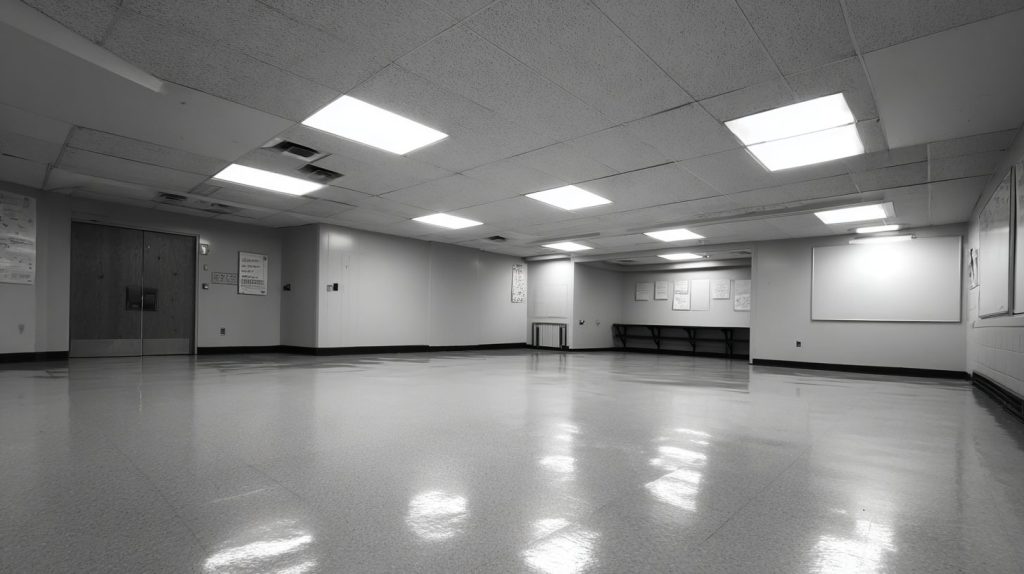
From the beginning, liminal spaces resisted permanence.
They existed between roles, routines, and meanings. They appeared when something familiar lost its script — and vanished once that script returned.
Trying to hold onto them indefinitely misses the point.
Liminality only works when it remains transitional.
What This Exploration Was Really About

This series began with images of empty spaces.
But it was never just about architecture or aesthetics.
It was about:
- moments without instruction
- feelings without names
- transitions without clear outcomes
Liminal spaces were simply the most visible form of those experiences.
Why It Had to End Somewhere
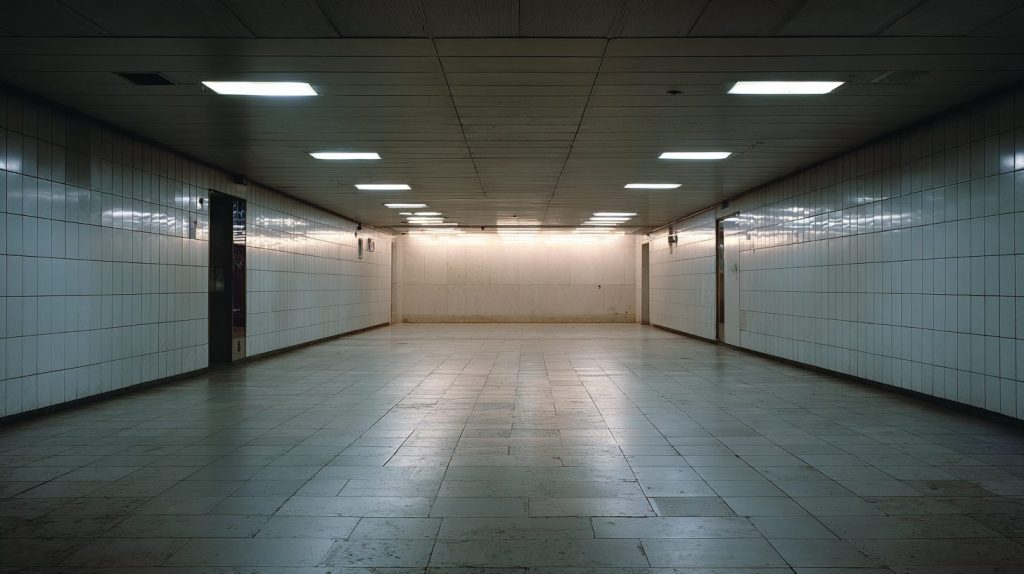
Endless analysis turns liminality into structure — the opposite of what it represents.
To keep exploring without pause would flatten the very ambiguity that gave this topic meaning.
Ending the category is not closure.
It’s alignment.
What Still Lingers

Even after the images fade, something remains.
A sensitivity to timing.
An awareness of pauses.
A recognition of spaces that feel quietly unfinished.
Once noticed, these things don’t disappear.
They simply stop needing explanation.
Carrying the Feeling Forward
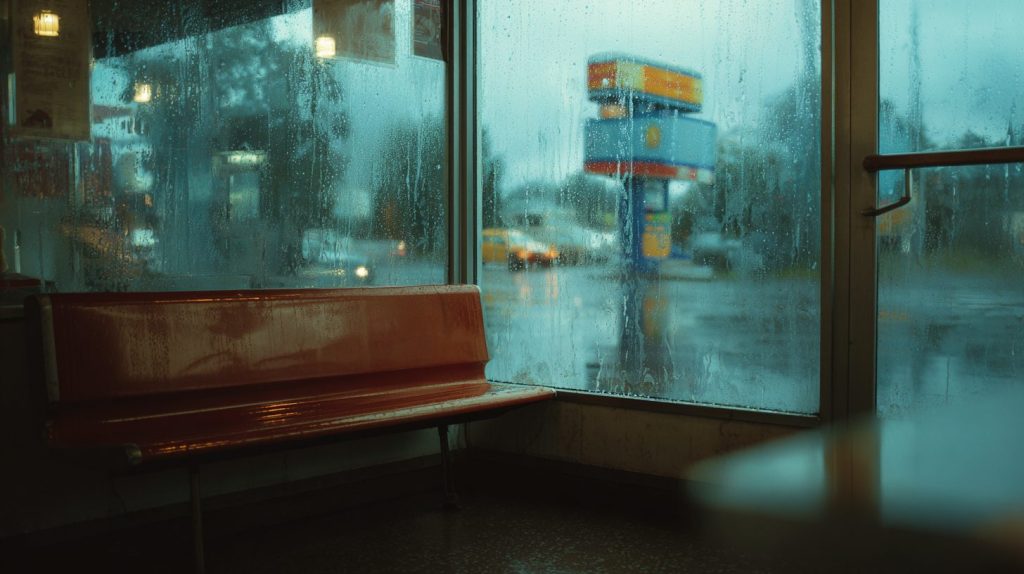
You don’t need to label every in-between moment as liminal.
In fact, doing so can dull its effect.
What matters is not naming the feeling — but recognizing it when it appears, and letting it pass without forcing resolution.
That attentiveness carries forward, even as the language falls away.
Beyond This Category
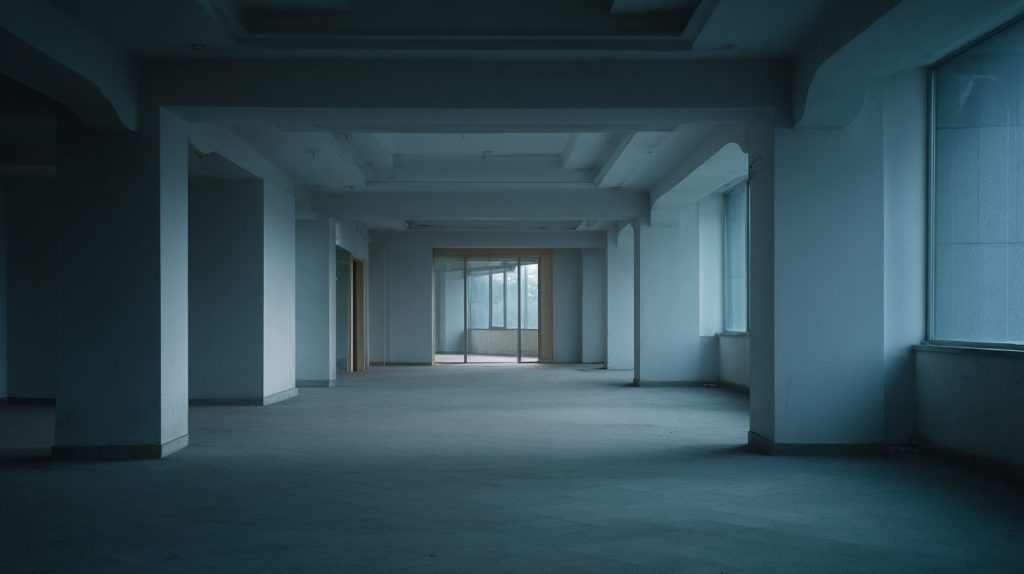
Leaving the liminal space doesn’t mean leaving its influence.
The ideas explored here will resurface elsewhere:
- in discussions of digital life
- in moments of waiting
- in interfaces, systems, and routines
- in other forms of quiet resistance to acceleration
Not as a genre — but as a lens.
Why Endings Matter Online
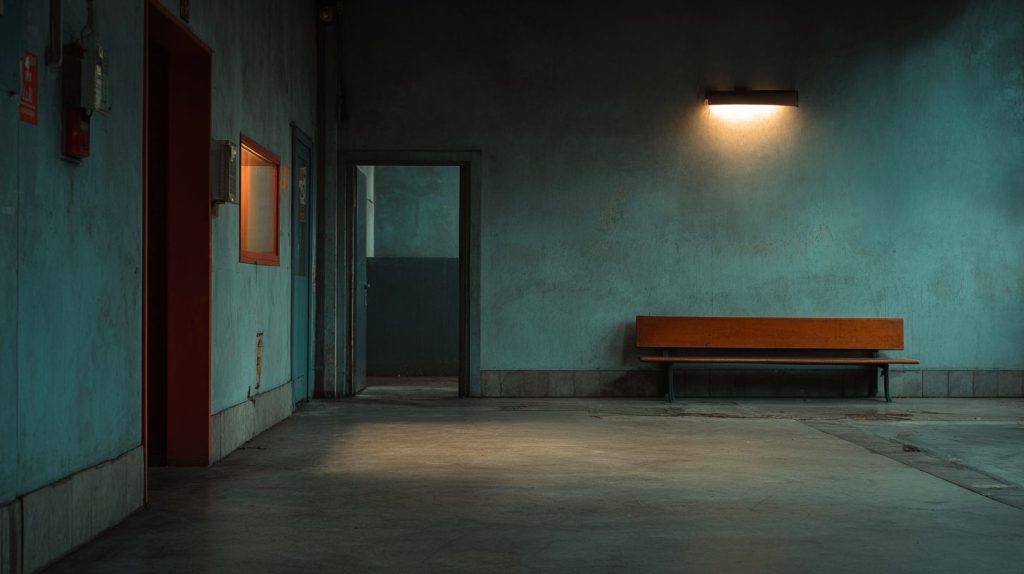
The internet rarely allows things to end.
Feeds refresh. Topics loop. Moods resurface endlessly.
Choosing to stop — deliberately — is a form of clarity.
It creates space for something else to emerge.
One Last Transition
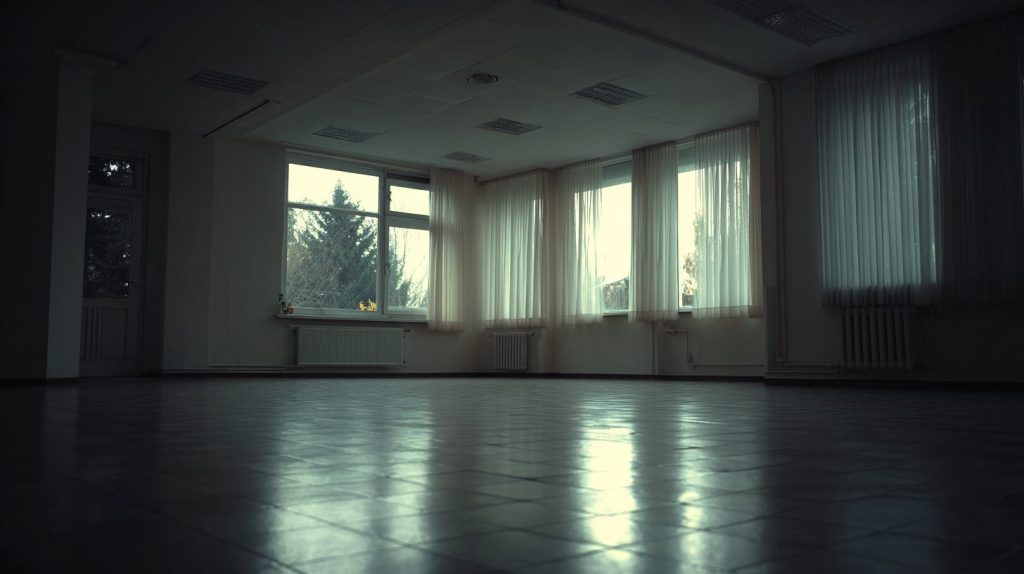
This article is not an exit.
It’s a threshold.
What comes next does not need to be defined yet.
It only needs room.
Leaving, Not Closing
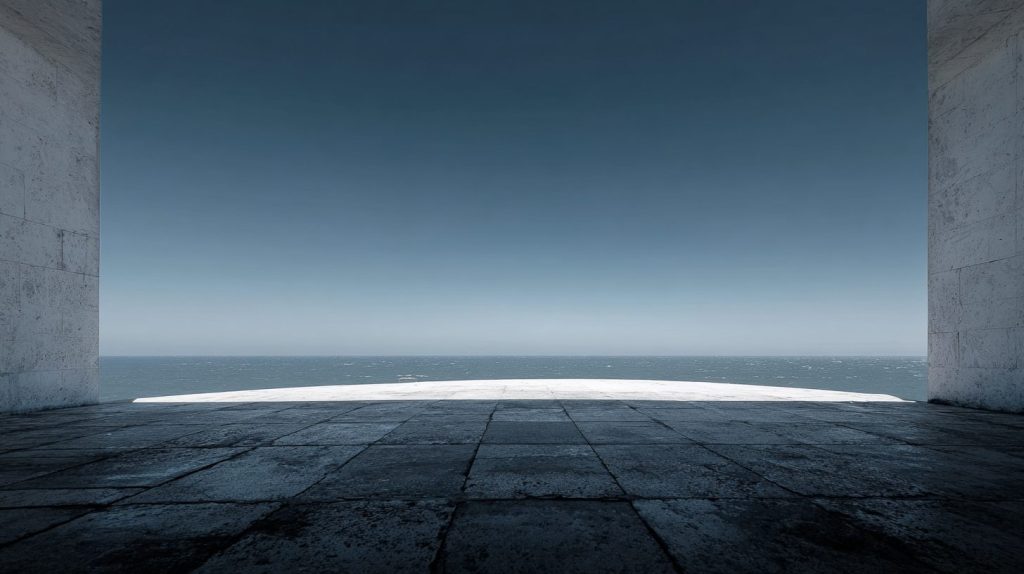
Liminal spaces taught us how to sit with uncertainty without rushing to fill it.
Leaving them does not erase that skill.
It simply means carrying it quietly into whatever comes next.
And then — moving on.


Comment