
Dream logic is not about dreams.
At least, not in the literal sense.
It’s about the way things feel connected without being logical, the way time bends, scenes shift, and meaning exists without explanation — the same way it does in dreams.
Over the past few years, this kind of logic has quietly spread across the internet. Not as a single aesthetic, but as a shared way of experiencing digital spaces.
So what exactly is dream logic — and why does the internet feel increasingly dreamlike?
- Dream Logic Is About Structure, Not Imagery
- How Dream Logic Works in Dreams
- When the Internet Stopped Following Linear Sense
- Emotional Coherence Without Explanation
- Why Dream Logic Feels Comforting and Unsettling
- Dream Logic vs. Absurdity
- Where Dream Logic Appears Online
- Why We Rarely Notice It Happening
- Dream Logic as a Coping Structure
- What This Category Will Explore
- Looking Ahead
Dream Logic Is About Structure, Not Imagery

Dream logic is often confused with visual surrealism.
But strange colors, warped faces, or floating objects are not what define it.
Dream logic describes a structure of experience, where:
- cause and effect are loose
- transitions happen without explanation
- meaning is felt rather than stated
In dreams, we rarely question how one scene turns into another. Online, that same acceptance is becoming normal.
How Dream Logic Works in Dreams
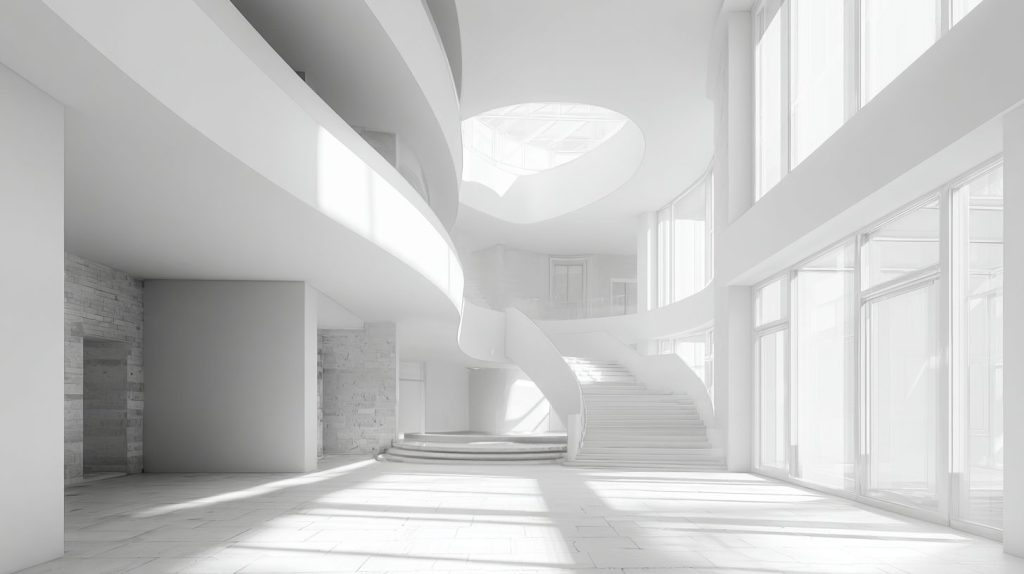
In dreams:
- places merge
- time skips
- people appear without introduction
- emotions remain consistent even when context changes
Nothing needs justification. The experience holds together emotionally, not logically.
Dream logic prioritizes emotional continuity over factual continuity.
That same principle now appears in how we move through digital environments.
When the Internet Stopped Following Linear Sense

Early internet experiences were relatively linear:
- pages loaded one at a time
- navigation followed menus and links
- context stayed intact
Today, digital life is fragmented.
Feeds scroll endlessly.
Content appears without clear origin.
One mood replaces another instantly.
The transition doesn’t feel wrong — it feels normal.
That normalization is dream logic at work.
Emotional Coherence Without Explanation

Dream logic doesn’t eliminate meaning.
It reorganizes it.
Instead of asking:
“Does this make sense?”
We ask:
“Does this feel right?”
This is why dream-like content spreads so effectively. It bypasses explanation and goes straight to recognition.
You don’t need to understand it to accept it.
Why Dream Logic Feels Comforting and Unsettling

Dream logic removes pressure.
There’s no need to follow a narrative. No need to remember where something came from. No obligation to resolve anything.
For some, this feels comforting — like drifting.
For others, it feels unsettling — like losing orientation.
Both reactions are valid. Dream logic trades clarity for flow.
Dream Logic vs. Absurdity

Dream logic is not the same as randomness.
Randomness breaks coherence.
Dream logic maintains it — just not through logic.
The experience still feels internally consistent, even when nothing is explained.
That consistency is emotional, atmospheric, and intuitive.
Where Dream Logic Appears Online

Dream logic shows up across many forms:
- surreal or nostalgic aesthetics
- looping videos and ambient edits
- dreamcore and weirdcore imagery
- fragmented storytelling
- algorithmic feeds that drift between moods
These are not separate trends.
They are expressions of the same underlying structure.
Why We Rarely Notice It Happening

Dream logic doesn’t announce itself.
It feels natural because it mirrors how we already process information:
- quickly
- emotionally
- without full context
We don’t question it because it matches our cognitive state — tired, distracted, and emotionally attuned rather than analytically focused.
Dream Logic as a Coping Structure

In a world overloaded with information, linear sense becomes exhausting.
Dream logic reduces demand:
- you don’t have to follow everything
- you don’t have to remember everything
- you don’t have to resolve everything
This doesn’t make it healthier by default — but it does make it easier.
What This Category Will Explore

This article defines dream logic.
The rest of this category will explore:
- how dream logic shapes aesthetics like dreamcore
- why childhood, memory, and softness recur
- how algorithms reinforce dream-like flow
- when dream logic becomes comforting — and when it becomes hollow
Not to judge it.
But to understand what it reflects.
Looking Ahead

Dream logic isn’t a trend.
It’s a mode.
As long as digital life continues to fragment attention while preserving emotion, dream logic will remain a dominant way of experiencing the internet.
Not because we chose it.
But because it feels familiar — the way dreams always do.


Comment