
Dream logic was once something we entered briefly.
In sleep.
In imagination.
In moments of drift.
Now, it’s something many people live inside.
Not as a conscious choice, but as a background condition of modern digital life.
- When Dream Logic Stops Being an Experience
- The Feeling of Being Always “In Between”
- Familiarity Without Grounding
- Why This State Feels Normal
- Attention Without Direction
- Emotional Saturation Without Processing
- Why Waking Up Feels Harder
- The Subtle Cost of Constant Drift
- Why Many People Don’t Want to Leave
- When Awareness Changes the Experience
- You Don’t Have to Exit Completely
- Living With Dream Logic, Not Inside It
- Looking Ahead
When Dream Logic Stops Being an Experience
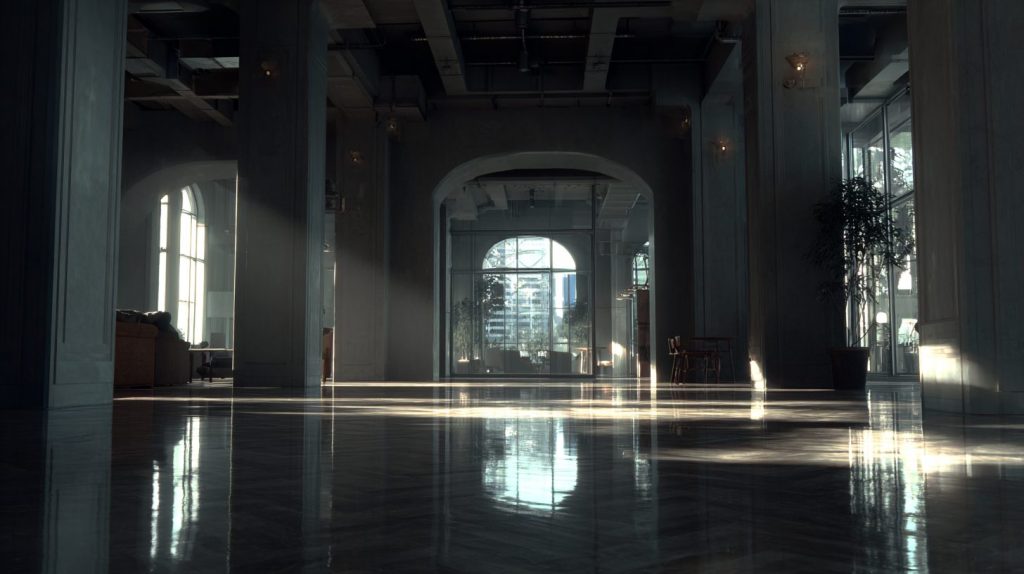
An experience has edges.
It begins.
It ends.
It contrasts with something else.
Living inside dream logic means losing those edges.
The dream no longer interrupts reality.
Reality absorbs the dream’s structure.
Transitions feel constant.
Context feels optional.
Emotion flows without clear narrative.
Nothing is overtly strange — and that’s the point.
The Feeling of Being Always “In Between”
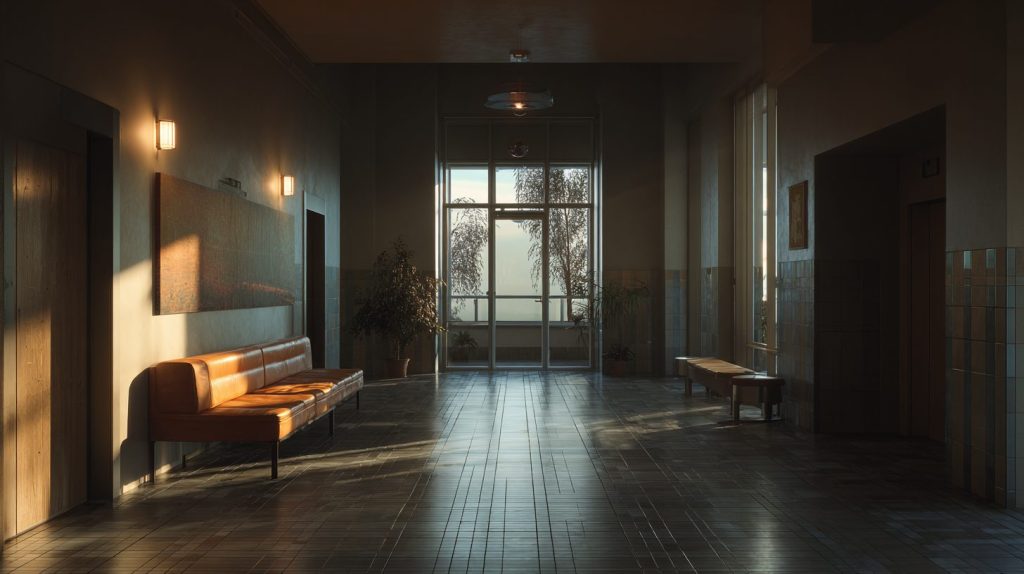
Living inside dream logic often feels like being suspended.
Not fully focused.
Not fully disengaged.
Not fully present — but not absent either.
Tasks blend into each other.
Rest feels similar to distraction.
Time feels continuous but thin.
This is not confusion.
It’s permanent transition.
Familiarity Without Grounding
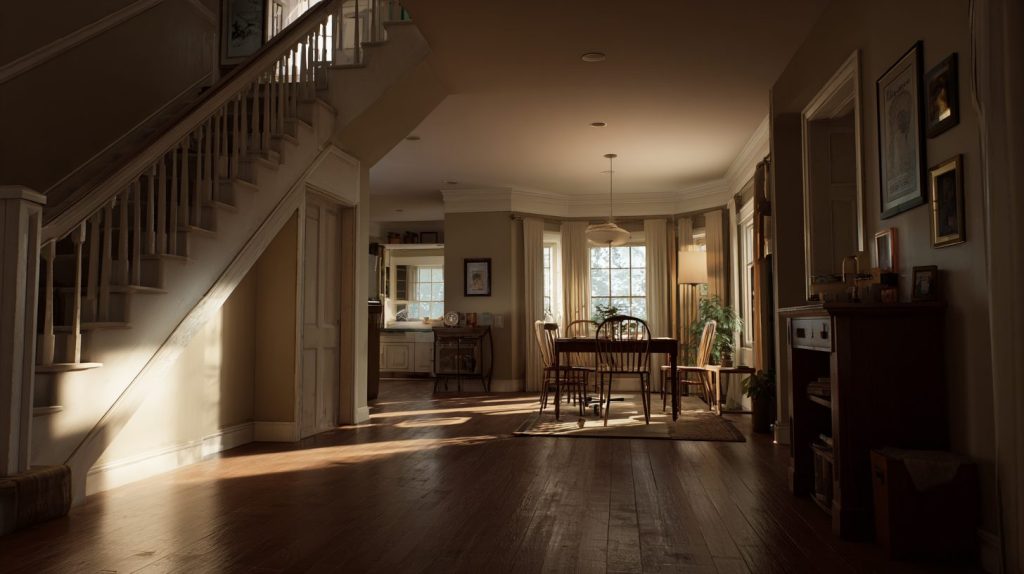
Dream logic relies on familiarity.
But when lived continuously, familiarity loses its grounding.
Spaces feel recognizable without being meaningful.
Images feel known without being remembered.
Moods recur without resolving.
You recognize the feeling — but can’t locate its source.
This creates a sense of emotional déjà vu without memory.
Why This State Feels Normal

Living inside dream logic doesn’t feel dramatic.
There’s no shock.
No clear break.
It feels smooth.
That smoothness is reinforced by:
- endless scrolling
- passive consumption
- ambient content
- algorithmic continuity
Nothing asks you to stop.
Nothing demands interpretation.
The state sustains itself.
Attention Without Direction
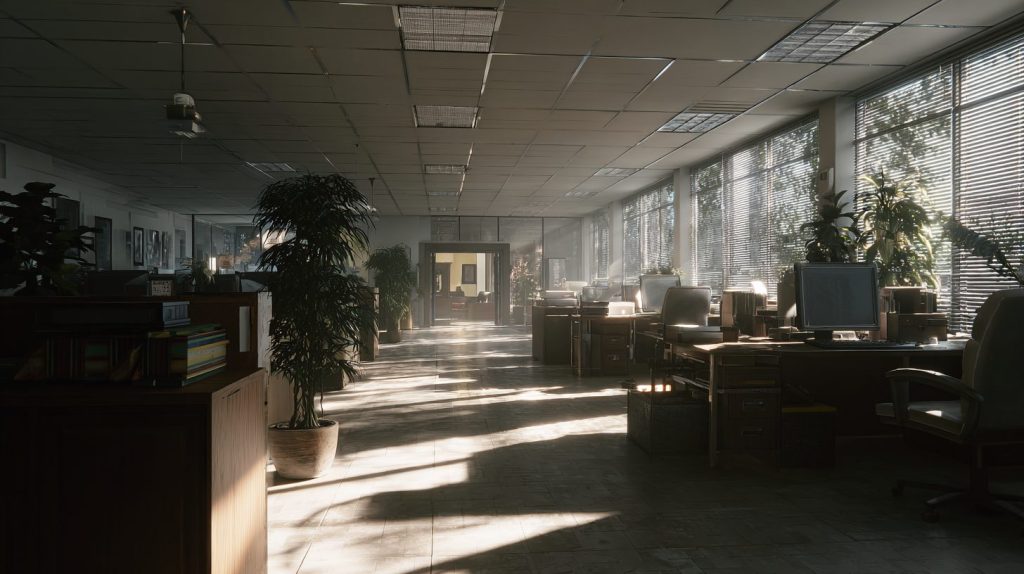
In dream logic, attention drifts.
When lived continuously, attention loses direction rather than intensity.
You may be engaged — but not committed.
Interested — but not invested.
Aware — but not anchored.
This creates a low-grade emotional flatness that is difficult to name.
Emotional Saturation Without Processing

Living inside dream logic means encountering many emotions — briefly.
Nostalgia.
Unease.
Comfort.
Curiosity.
But without pause, these emotions don’t settle.
They pass through without being processed.
Over time, emotional depth is replaced by emotional circulation.
Why Waking Up Feels Harder

Dreams usually end.
Living inside dream logic removes that ending.
There is no clear moment of waking.
No return to contrast.
No sense of having left something behind.
This can make focused engagement feel heavy, even intrusive.
Clarity begins to feel like effort.
The Subtle Cost of Constant Drift

This state doesn’t destroy meaning.
It thins it.
Moments feel less distinct.
Memories feel less anchored.
Experiences blur together.
Nothing is wrong — but nothing feels fully there either.
This subtle erosion is easy to miss because it lacks drama.
Why Many People Don’t Want to Leave

Despite its costs, living inside dream logic offers relief.
It removes pressure:
- to decide
- to interpret
- to resolve
For people overwhelmed by choice, expectation, or acceleration, this state feels protective.
It’s not escapism.
It’s emotional load management.
When Awareness Changes the Experience
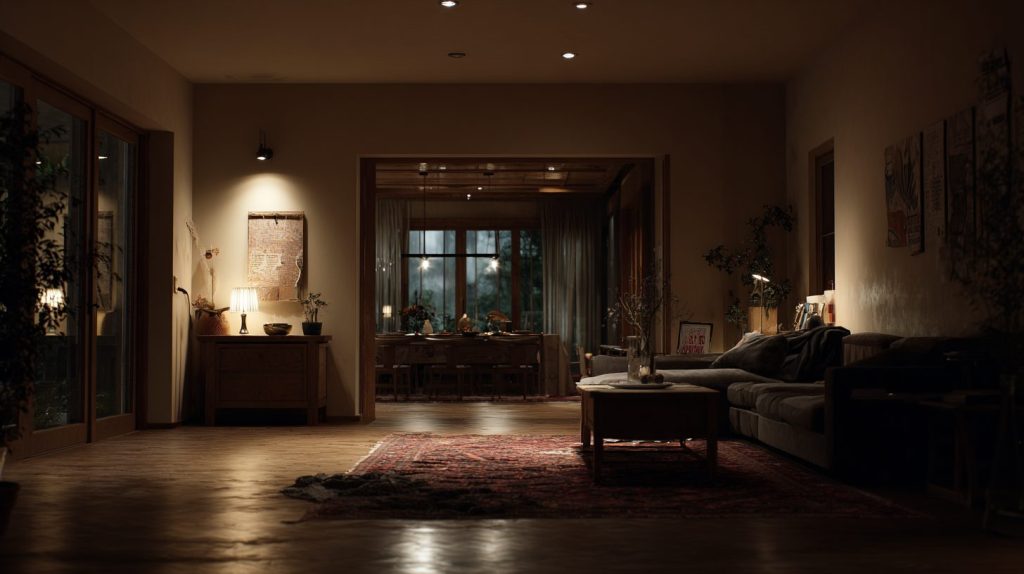
Becoming aware of living inside dream logic doesn’t end it.
But it introduces friction.
You begin to notice:
- how often you drift
- how rarely you arrive
- how smoothly things pass
This awareness creates small interruptions — moments of waking within the dream.
You Don’t Have to Exit Completely

The goal is not to reject dream logic.
It has value:
- creativity
- softness
- emotional accessibility
The risk comes from permanence, not presence.
Dream logic works best as a place you visit — not a place you inhabit without noticing.
Living With Dream Logic, Not Inside It
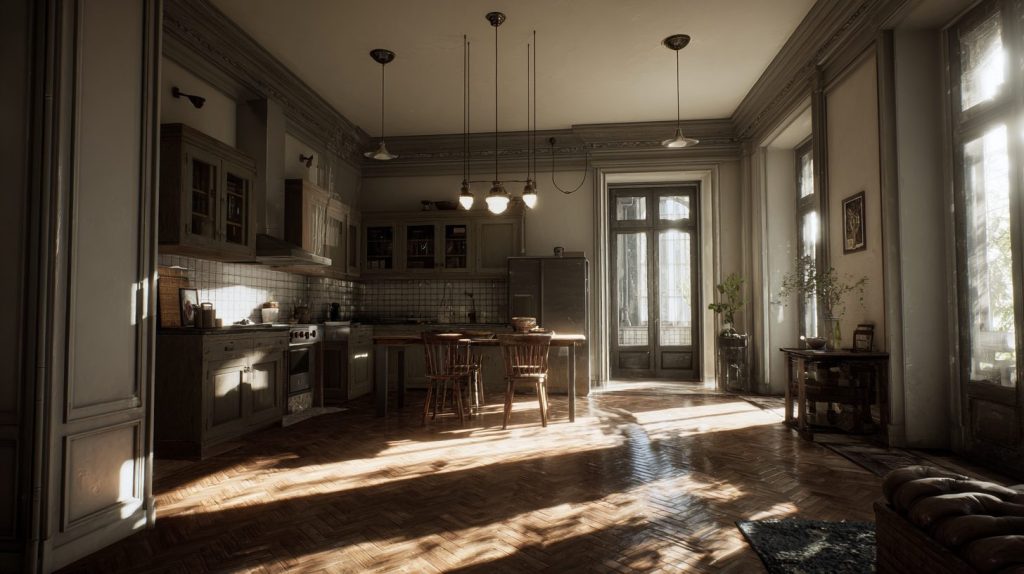
There is a difference between:
- using dream logic
- being surrounded by it
The first allows movement.
The second replaces it.
Recognizing the difference restores choice.
Looking Ahead

The final step in this category is not about critique.
It’s about leaving.
Not abandoning dream logic — but stepping out of it deliberately.
Understanding when it helps, and when it begins to hollow experience.
The last article will explore what it means to leave the dream state — and why that matters.


Comment