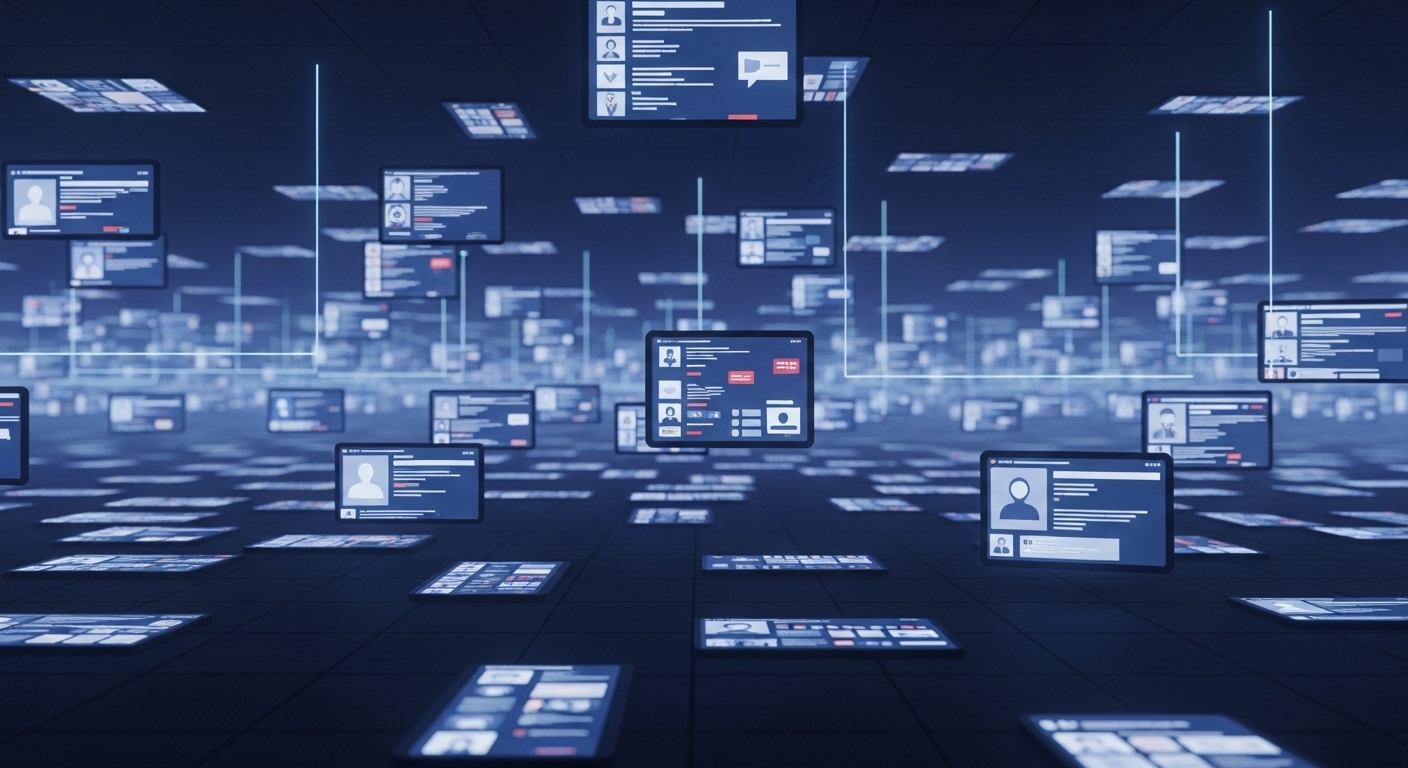
You don’t always notice it happening.
You open an app.
Scroll a little.
See a few images.
And suddenly, your mood has shifted.
Not dramatically.
Not consciously.
Just slightly — softer, heavier, calmer, more distant.
How do internet aesthetics shape mood so effectively?
- Mood Changes Faster Than Thought
- Repetition Creates Emotional Atmosphere
- Aesthetics Don’t Demand Attention — They Hold It
- Emotional Consistency Matters More Than Meaning
- Context Is Replaced by Feeling
- Why Mood Is Easier to Sustain Than Attention
- Algorithms Strengthen Emotional Loops
- Mood Without Resolution
- Why This Can Feel Comforting
- Why It Can Also Feel Draining
- From Mood to Structure
- Looking Deeper
- In Short
Mood Changes Faster Than Thought

Internet aesthetics work quickly.
They don’t wait for interpretation.
They don’t explain themselves.
They don’t require agreement.
Before you form an opinion, your emotional state has already adjusted.
This is because mood operates faster than reasoning.
You don’t decide how to feel.
You arrive there.
Repetition Creates Emotional Atmosphere

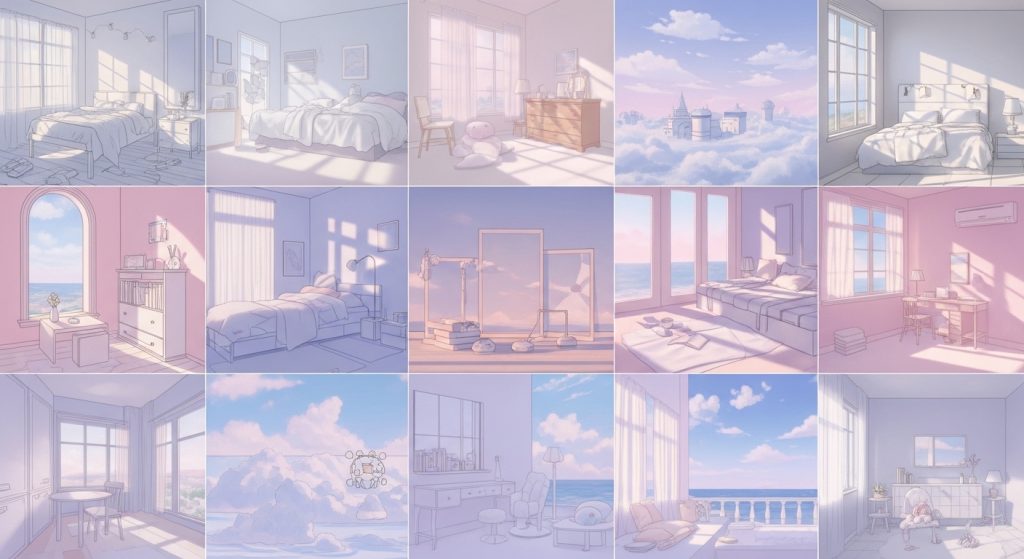
One image rarely changes much.
But many similar images — repeated — do.
When you encounter the same visual tone again and again:
- similar colors
- similar spaces
- similar emotional cues
They stop feeling like individual images and start feeling like an environment.
Mood forms through accumulation.
Aesthetics Don’t Demand Attention — They Hold It
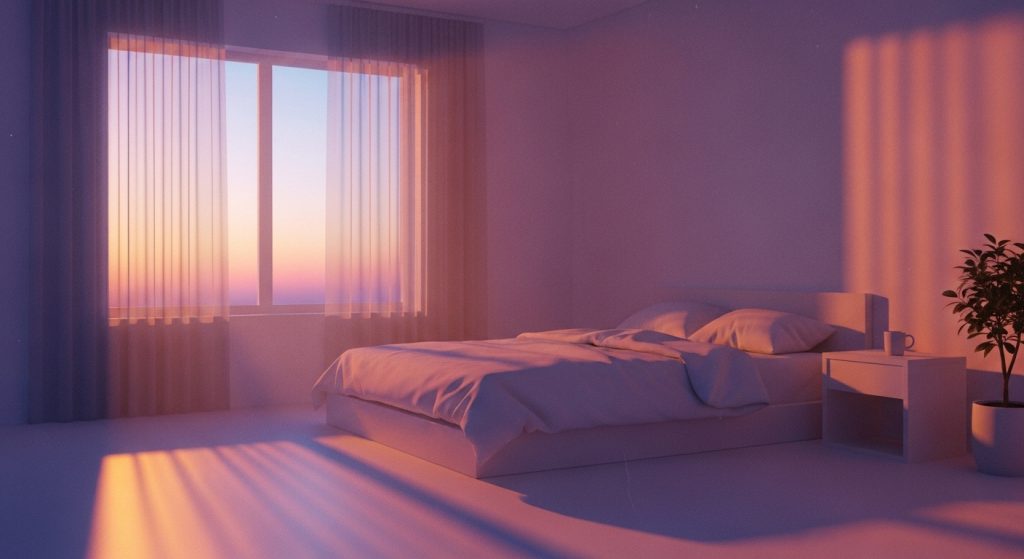
Unlike loud or shocking content, most internet aesthetics are quiet.
They don’t interrupt.
They don’t compete.
They blend.
This subtlety makes them ideal for shaping mood.
Your attention doesn’t spike — it drifts.
And drifting attention is easier to guide emotionally.
Emotional Consistency Matters More Than Meaning
Most internet aesthetics are not meaningful on their own.
They don’t tell stories.
They don’t argue points.
They don’t resolve anything.
What they offer instead is emotional consistency.
The mood stays the same from image to image, even when the content changes.
That consistency stabilizes feeling — and keeps you inside it.
Context Is Replaced by Feeling
Online, context is thin.
Images appear without background.
Moments are detached from time.
Creators are invisible.
In the absence of context, mood becomes the primary organizing force.
You may not know why something appears — but you know how it feels.
Feeling becomes orientation.
Why Mood Is Easier to Sustain Than Attention
Attention is fragile.
It requires novelty, tension, or reward.
Mood is different.
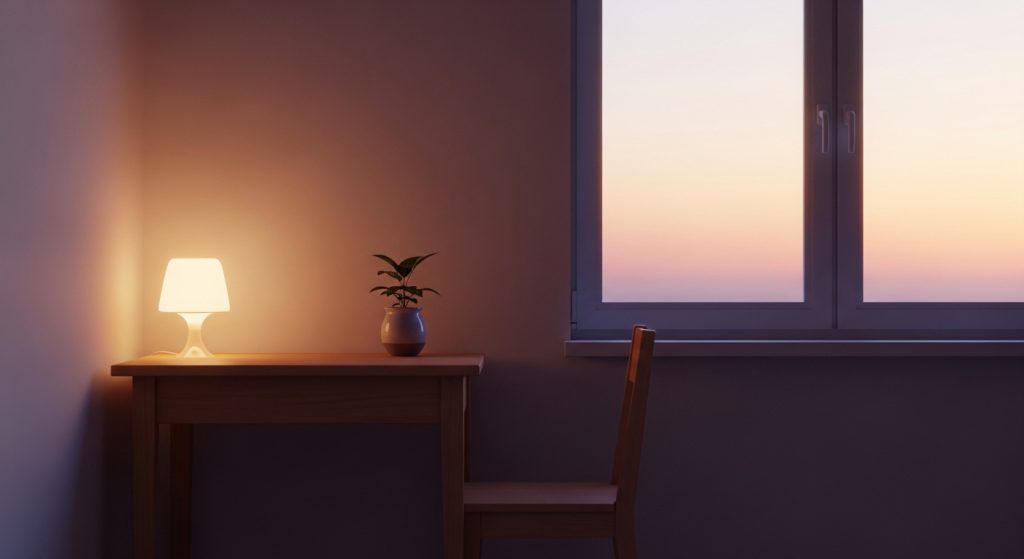
Once established, mood sustains itself quietly.
Internet aesthetics are designed — intentionally or not — to maintain mood rather than demand focus.
You don’t have to stay alert.
You just remain present.
Algorithms Strengthen Emotional Loops
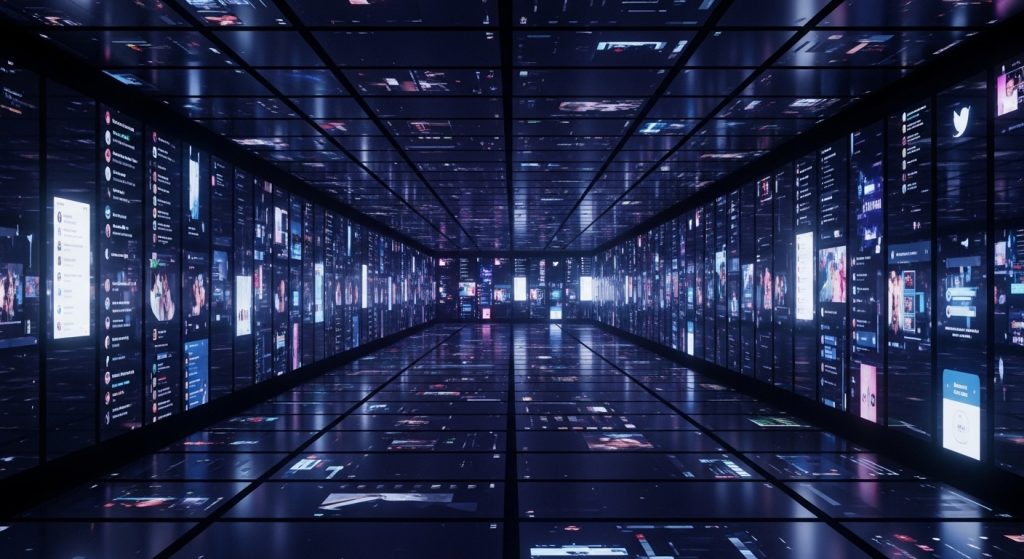
Platforms notice patterns.
If you linger on certain moods — soft, nostalgic, uncanny — the system delivers more of the same.
Over time, aesthetics stop shaping momentary feeling and begin shaping baseline mood.
You’re no longer reacting to content.
You’re existing inside an emotional loop.
Mood Without Resolution

Traditionally, mood changes had endpoints.
A song ended.
A scene faded.
A moment passed.
Online, aesthetic mood often has no clear conclusion.
The feed continues.
The feeling persists.
This makes mood feel ambient — like background weather rather than a temporary state.
Why This Can Feel Comforting
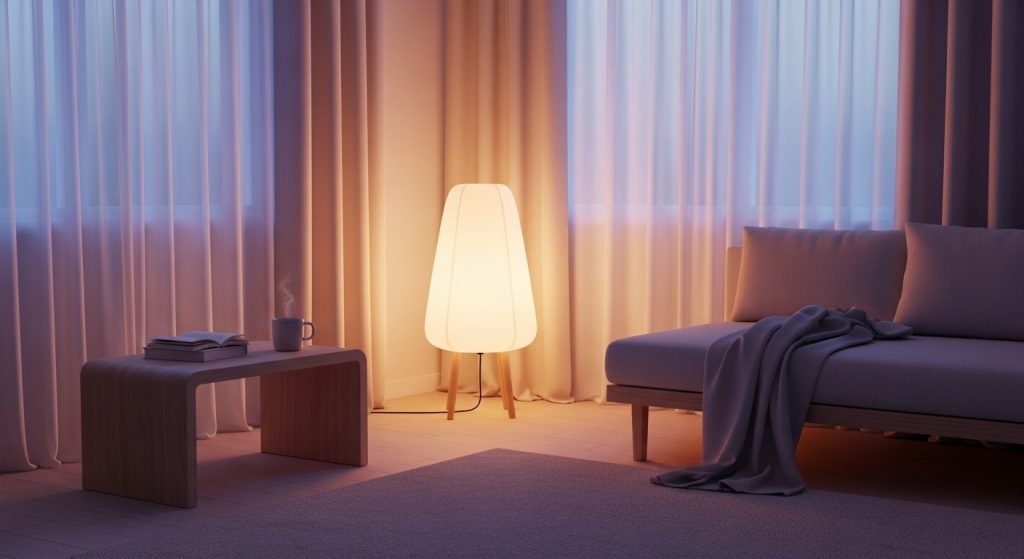
For many people, mood-based environments feel safe.
They reduce friction.
They limit emotional spikes.
They offer predictability.
In overstimulated contexts, this emotional smoothness feels like relief.
Why It Can Also Feel Draining
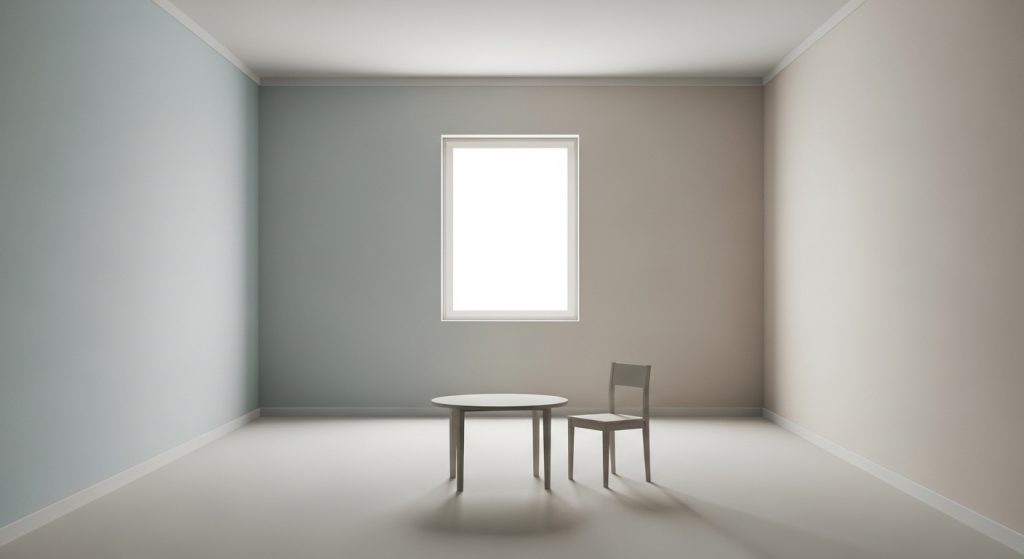
At the same time, constant mood can flatten experience.
Without contrast, emotions lose shape.
Without interruption, feeling becomes dull.
You’re not overwhelmed — but you’re not fully engaged either.
This is subtle, and easy to miss.
From Mood to Structure
Internet aesthetics don’t just influence how you feel.
Over time, they influence how you expect to feel online.
Certain moods become default.
Others feel intrusive.
This is when aesthetics stop being decoration and start becoming structure.
Looking Deeper
This article explains how internet aesthetics shape mood.
But it doesn’t fully explore what happens when mood becomes the primary organizing force online — or how systems learn to sustain and repeat emotional states.
Those questions lead into ideas like Dream Logic and Algorithmic Attention, where mood is no longer incidental.
It becomes infrastructure.
In Short

Internet aesthetics shape mood because:
- emotion arrives faster than thought
- repetition builds atmosphere
- consistency stabilizes feeling
- context is replaced by emotion
- systems reinforce emotional loops
You don’t choose the mood.
You find yourself inside it.


Comment