
Once you understand what a liminal space is, a new question naturally follows:
Why do some places feel more liminal than others?
Not all transitional spaces affect us in the same way. An empty hallway feels different from a deserted mall. A quiet parking garage doesn’t evoke the same emotions as an abandoned swimming pool.
These differences aren’t random. Certain types of spaces carry stronger emotional weight because of how memory, routine, and expectation interact within them.
Below are some of the most common types of liminal spaces — and why they resonate so strongly.
School Hallways After Hours
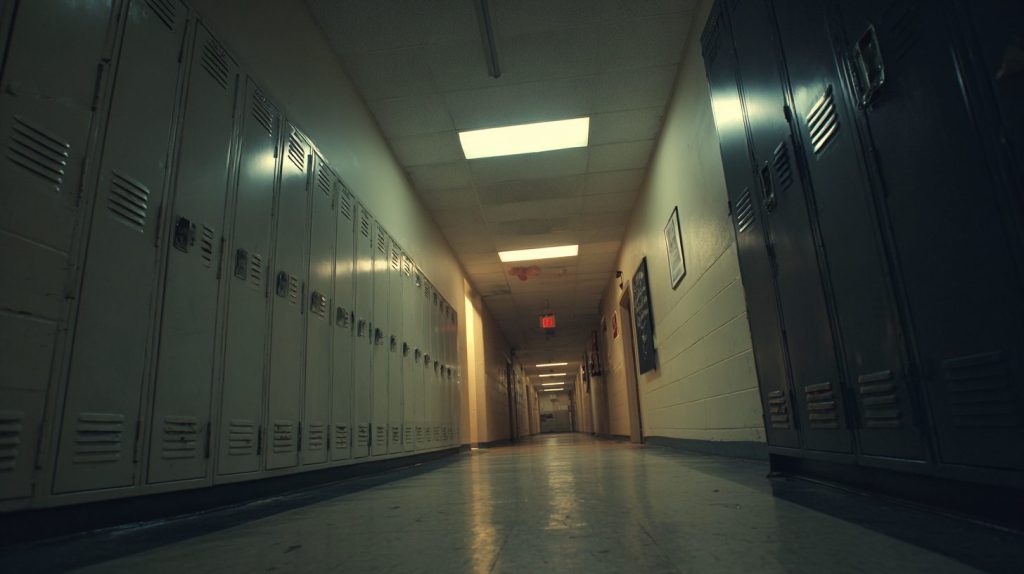
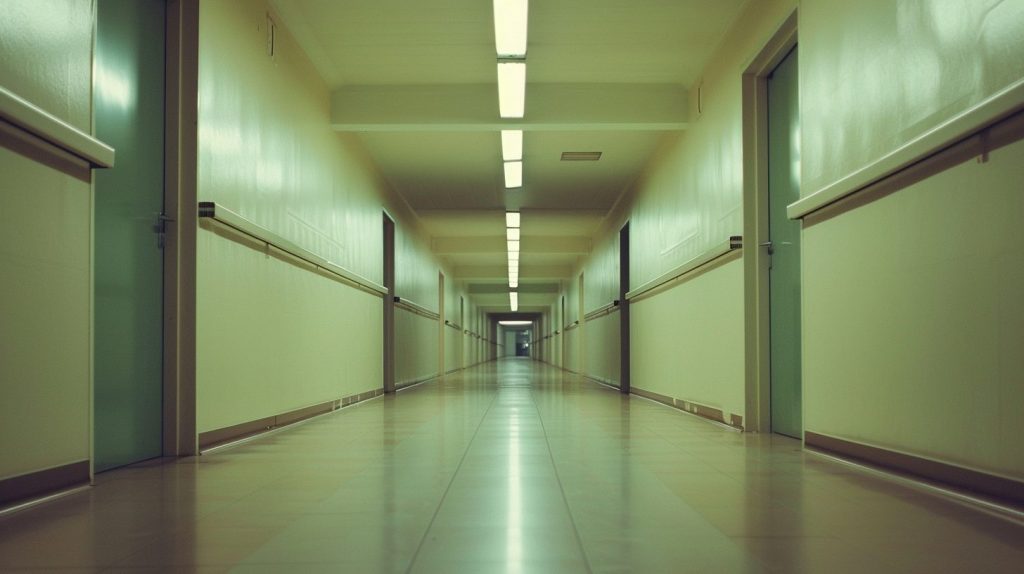
Few spaces feel as instantly liminal as an empty school hallway.
Schools are places of structure, noise, and constant movement. When they’re empty, especially at night, that structure collapses. The fluorescent lighting, long corridors, and identical doors amplify the sense of repetition and control.
For many people, school hallways are deeply tied to childhood routines. Seeing them empty can feel like returning to a place that no longer exists — familiar, but inaccessible.
Empty Shopping Malls
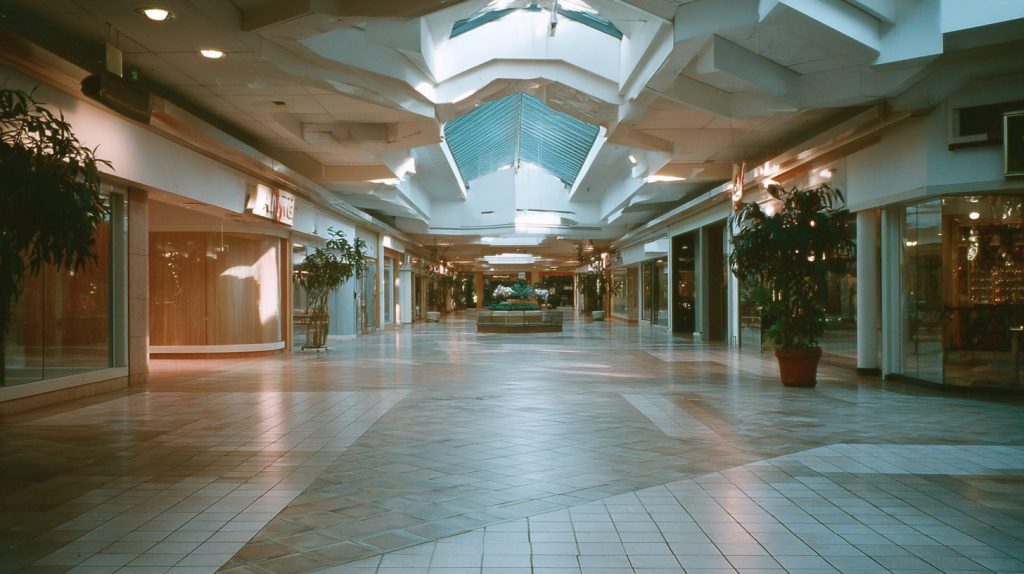
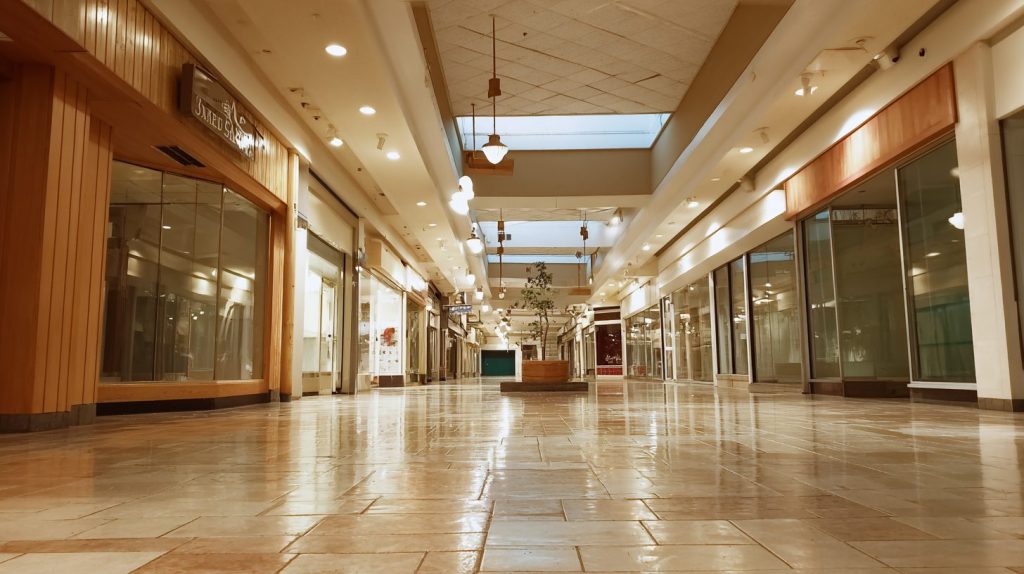
Shopping malls were once designed as social hubs. They were loud, bright, and full of motion.
An empty mall feels unsettling because it still appears operational: lights are on, escalators stand still, storefronts remain intact. The space hasn’t been abandoned — it has been paused.
This creates a strong liminal effect. The mall feels suspended between relevance and obsolescence, mirroring broader cultural shifts around consumption and public space.
Indoor Swimming Pools
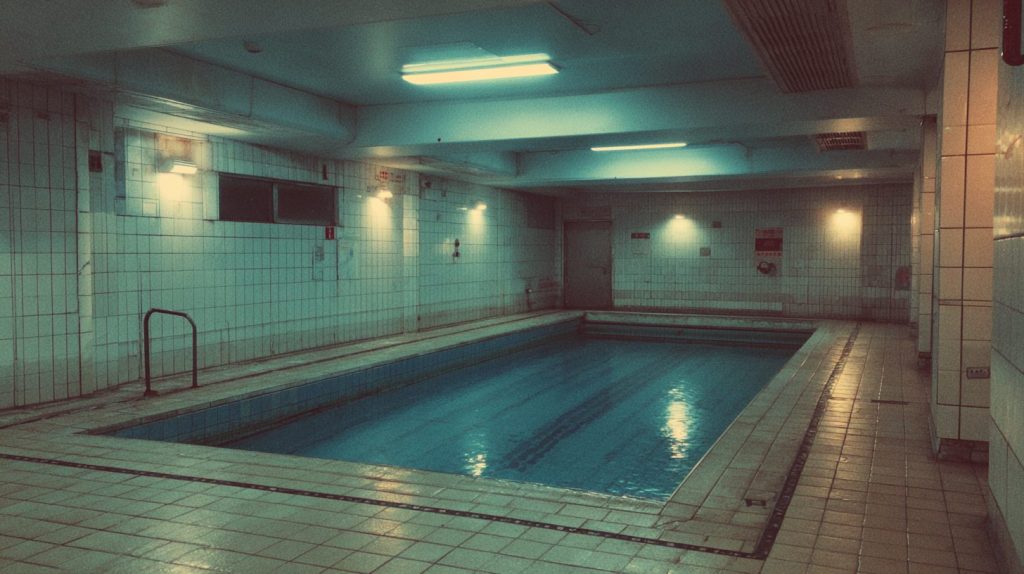
Indoor pools often evoke a specific kind of discomfort.
The echoes, tiled surfaces, artificial lighting, and smell of chlorine are highly sensory. When no one is present, those sensations become exaggerated.
For many people, pools are tied to childhood experiences — lessons, summer programs, school trips. When empty, the space feels frozen in time, producing nostalgia without warmth.
Hotel Corridors and Stairwells
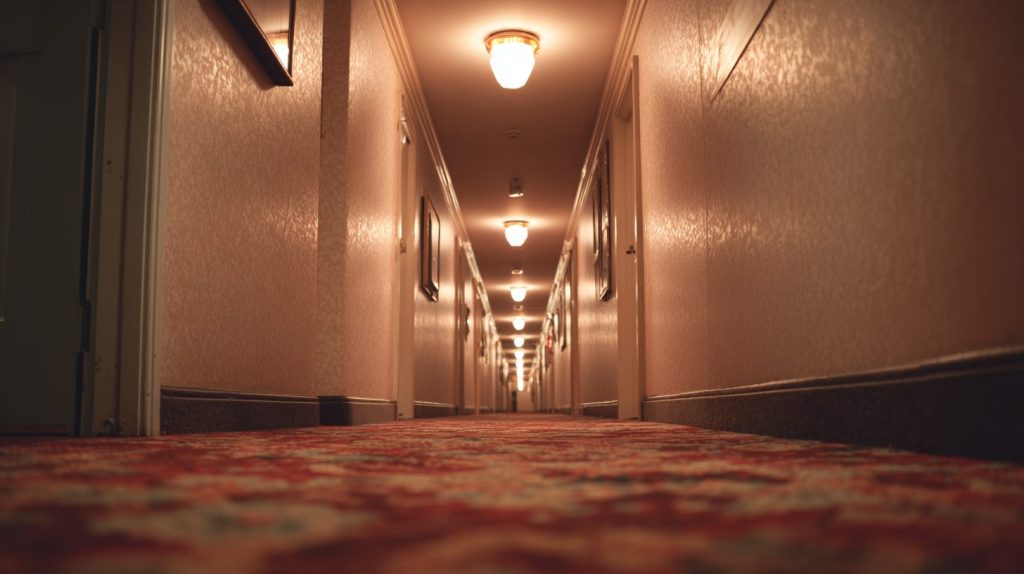
Hotels are temporary by nature. No one is meant to stay for long.
Their corridors are designed to be neutral and forgettable, which paradoxically makes them feel unsettling when empty. Patterned carpets, identical doors, and dim lighting remove any sense of individuality.
Hotel hallways feel liminal because they exist entirely between arrivals and departures — places where identity is temporarily suspended.
Parking Garages at Night
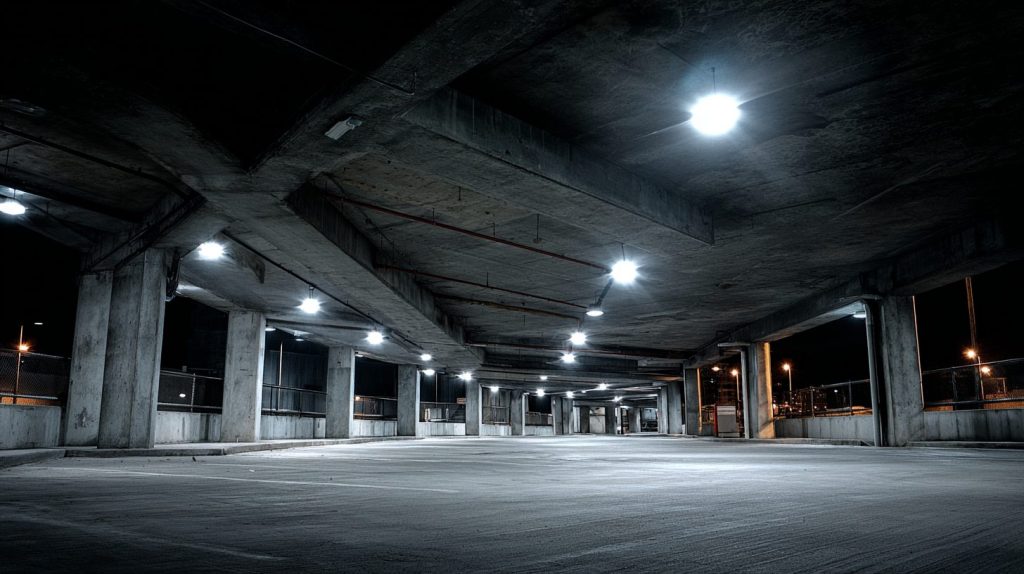
Parking garages are functional spaces meant to be passed through quickly.
At night, they often feel exposed and impersonal. Concrete structures, repeating levels, and artificial lighting create a sense of scale without comfort.
Unlike other liminal spaces, garages don’t evoke nostalgia as strongly. Instead, they amplify vulnerability and spatial awareness, making people acutely aware of being alone in a place not meant for lingering.
Airports Without Passengers
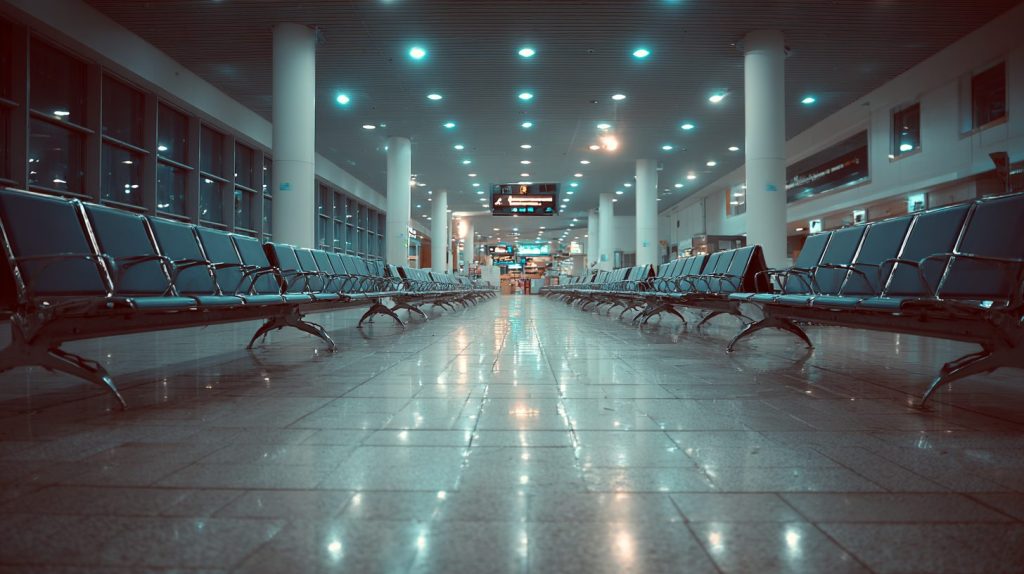
Airports are designed for movement, noise, and anticipation.
When empty, they feel almost unreal. Rows of seats, signage, and security checkpoints remain, but the energy is gone.
Airports are inherently liminal — places that exist solely for transition. Without people, that transitional purpose becomes meaningless, creating a powerful sense of dislocation.
Office Buildings After Dark
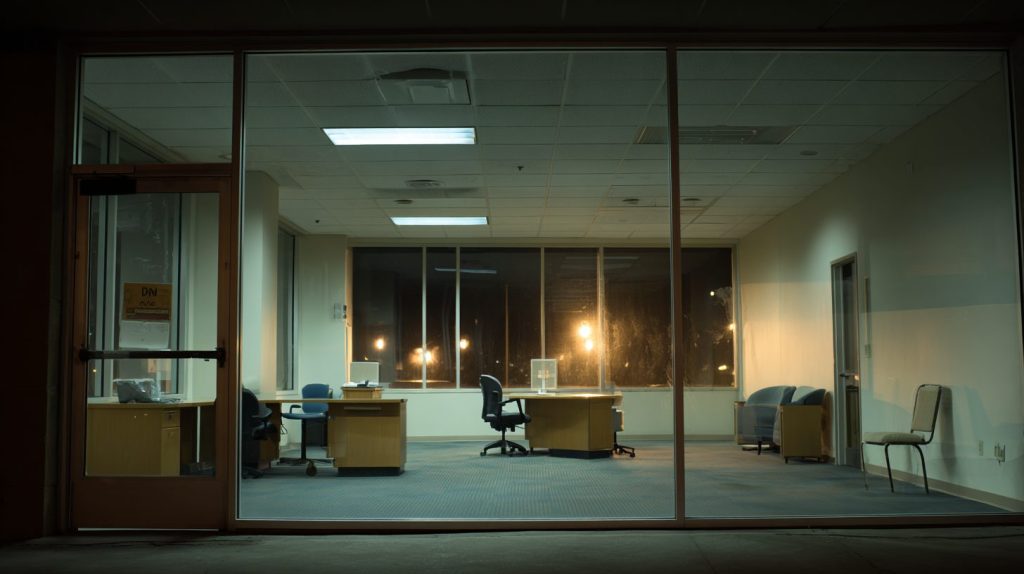
Office spaces are symbols of productivity and routine.
After hours, they feel hollow. Desks remain set up, screens are dark, and personal items sit untouched.
The absence of workers turns these spaces into reminders of repetition and burnout. They feel liminal because they expose the mechanical side of daily life without the human presence that normally justifies it.
Suburban Streets with No One Around
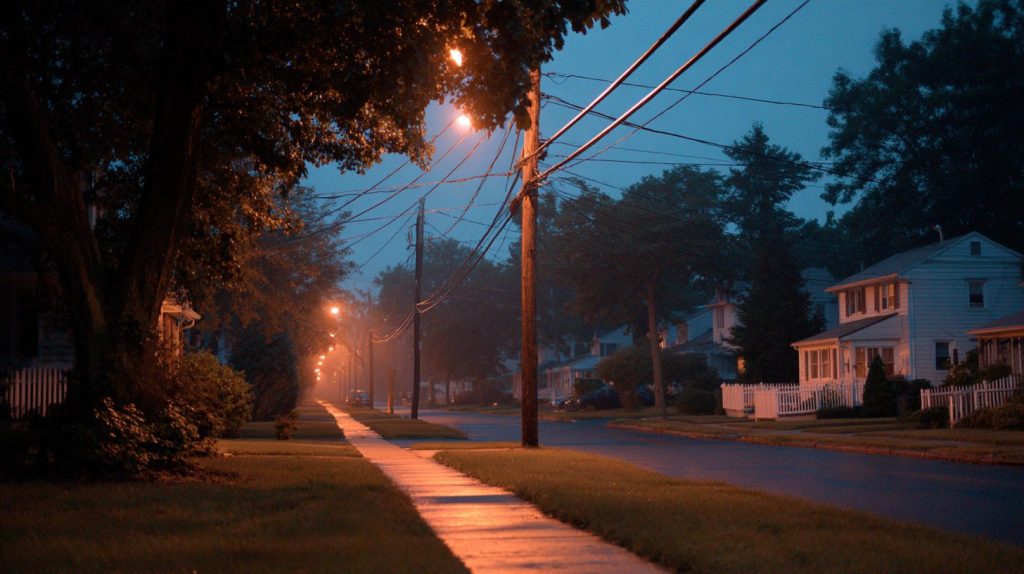
Quiet suburban streets can feel liminal in a subtler way.
These spaces are designed for community and domestic life. When empty — especially during unusual hours — they feel staged, like sets waiting for actors.
This type of liminality often produces a dreamlike calm rather than fear, evoking the sense that time has briefly stopped.
Why These Spaces Affect Us Differently
Each of these spaces shares three key characteristics:
- They are designed for transition, not rest
- They rely on human presence to feel “complete”
- They are deeply tied to routine and memory
When those routines disappear, the space becomes emotionally unstable. We project our own experiences onto it, filling the silence with memory.
What Comes Next
Understanding the types of liminal spaces helps explain why certain images feel more powerful than others. But it also opens deeper questions:
- Why does nostalgia play such a large role?
- Why do these spaces feel comforting to some and disturbing to others?
- What does this say about how we experience modern life?
These questions are explored further throughout this site.


Comment