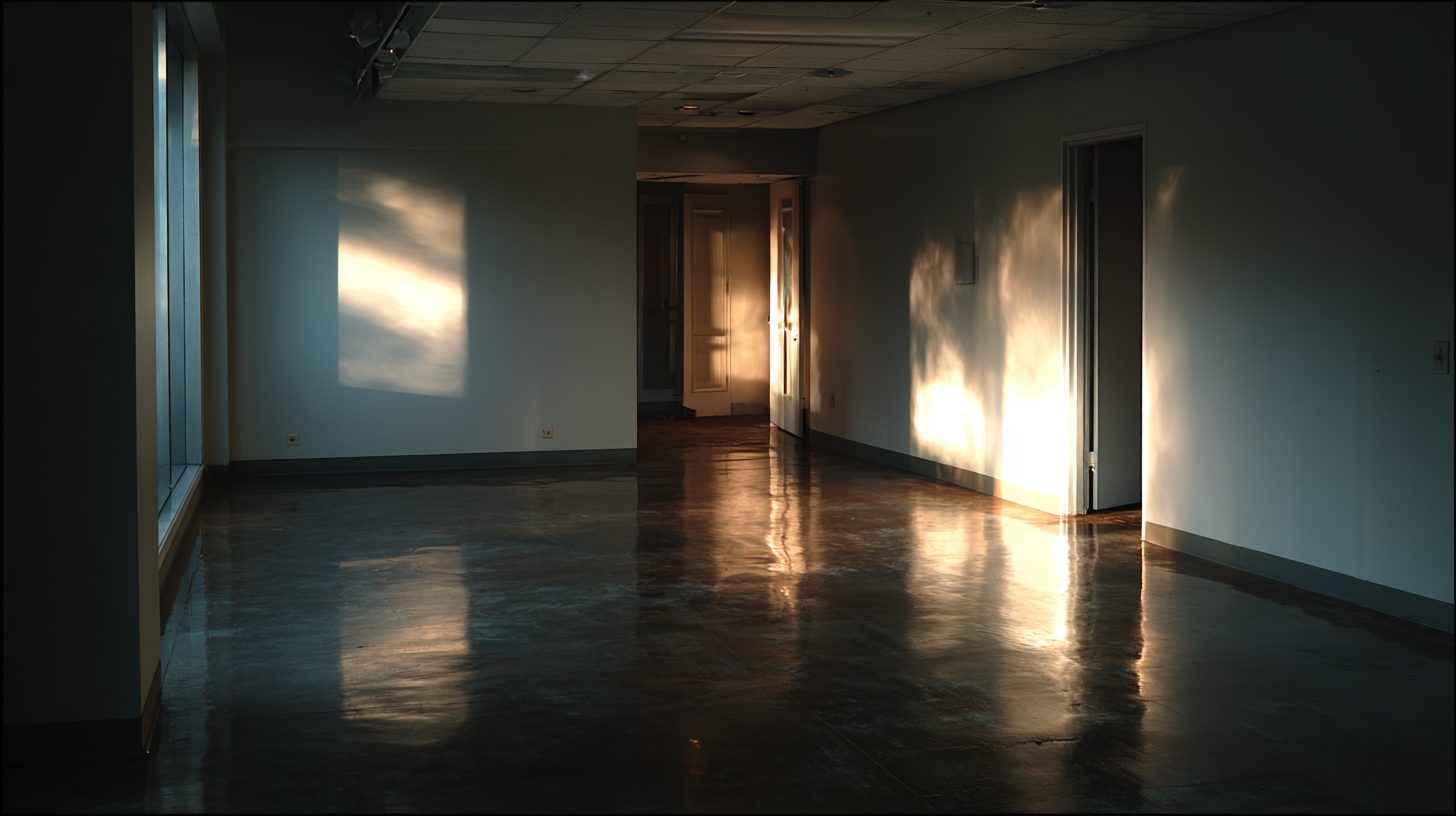
Every internet aesthetic eventually reaches the same moment.
It becomes recognizable.
It becomes repeatable.
It becomes easy to name.
At that point, a familiar question appears:
Is this the end of the aesthetic — or just another transition?
Liminal spaces are often framed as something that has peaked, faded, or been exhausted. But that framing assumes aesthetics are stable objects.
They aren’t.
They are processes.
- Aesthetics Are Not Styles, but Phases
- Why “The End” Keeps Getting Announced
- Transition Is the Core, Not the Failure
- From Visual Aesthetic to Structural Feeling
- The Quiet Persistence of Unnamed Moods
- What Comes After Liminal Spaces?
- Living in Perpetual Transition
- The Value of Staying With the Question
- Looking Ahead
Aesthetics Are Not Styles, but Phases
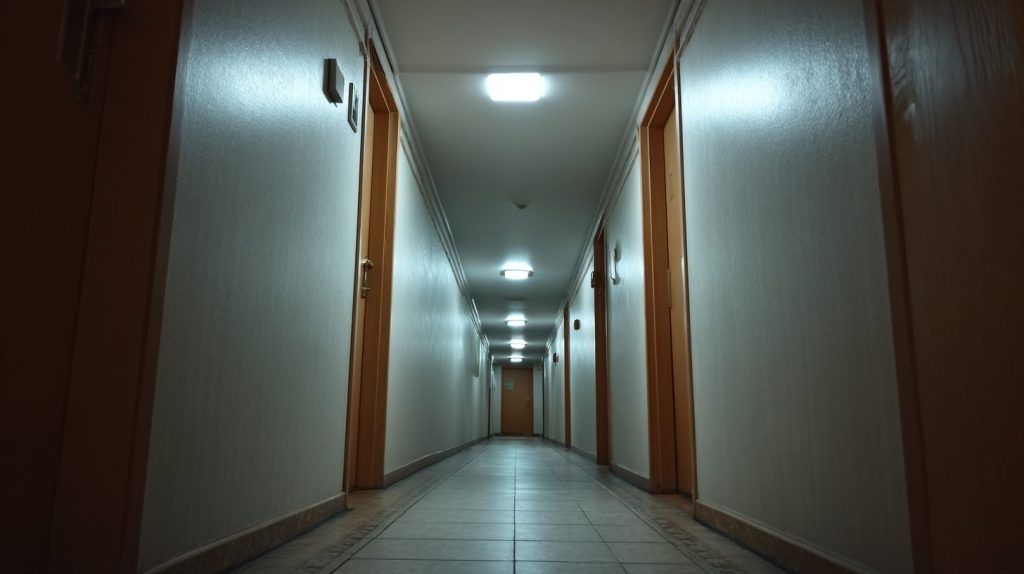
An aesthetic is rarely a fixed look.
It is a phase in how people collectively experience and express a feeling.
Before liminal spaces were images, they were sensations:
- unease without danger
- nostalgia without return
- familiarity without comfort
The images came later.
When the visuals fade, the feeling does not disappear.
It simply looks for a new form.
Why “The End” Keeps Getting Announced
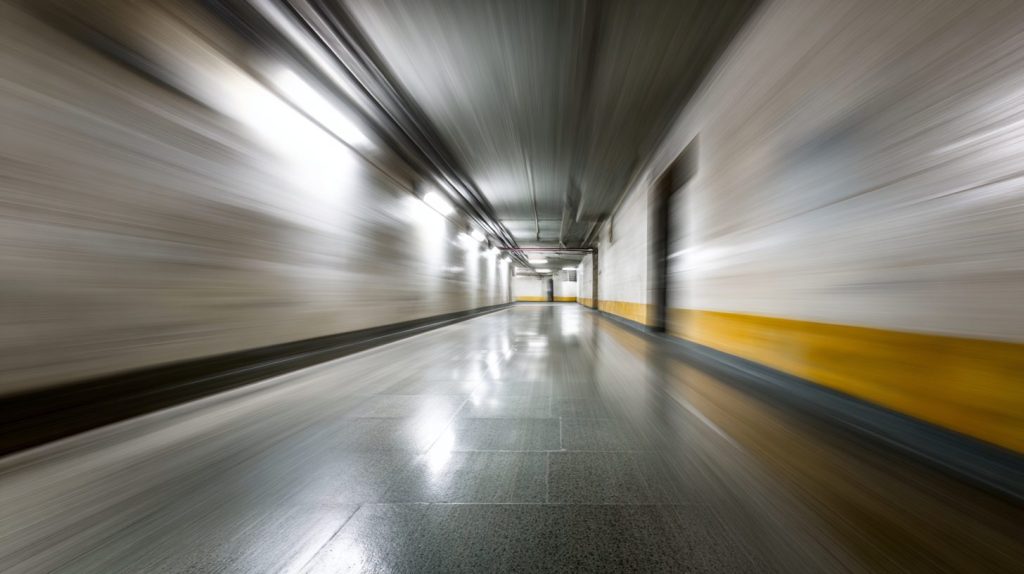
The internet loves declaring endings.
“The end of vaporwave.”
“The death of minimalism.”
“The downfall of aesthetics.”
These declarations usually appear at the same moment:
when repetition becomes visible.
But repetition does not mean exhaustion.
It means stabilization.
What people often call “the end” is simply the point where an aesthetic stops feeling personal and starts feeling shared.
Transition Is the Core, Not the Failure
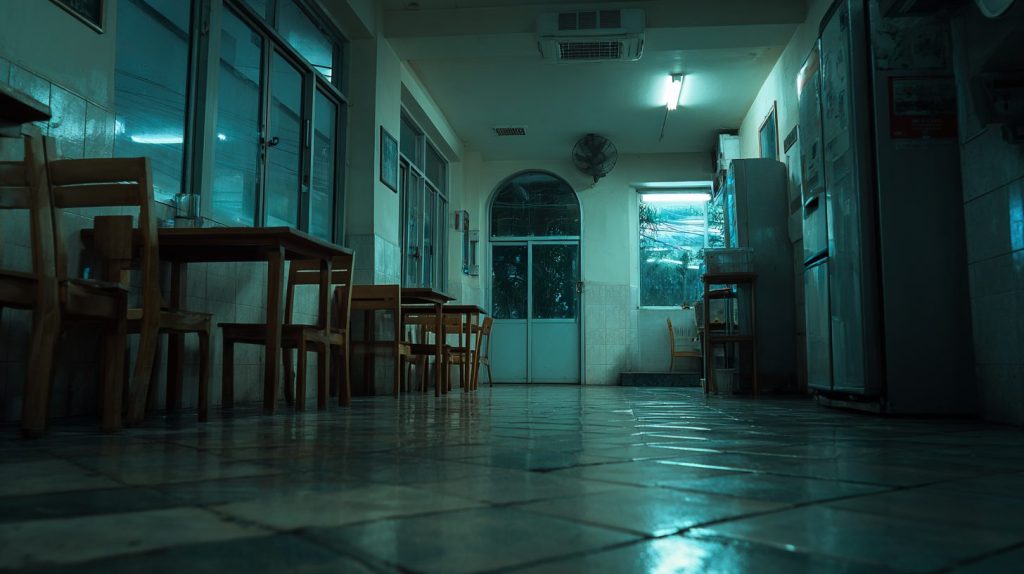
Liminal spaces were never meant to settle.
Their defining feature is transition — between states, meanings, and interpretations.
Expecting liminal spaces to remain unchanged contradicts what they represent.
When the aesthetic shifts, fragments, or dissolves, it is behaving exactly as it should.
From Visual Aesthetic to Structural Feeling
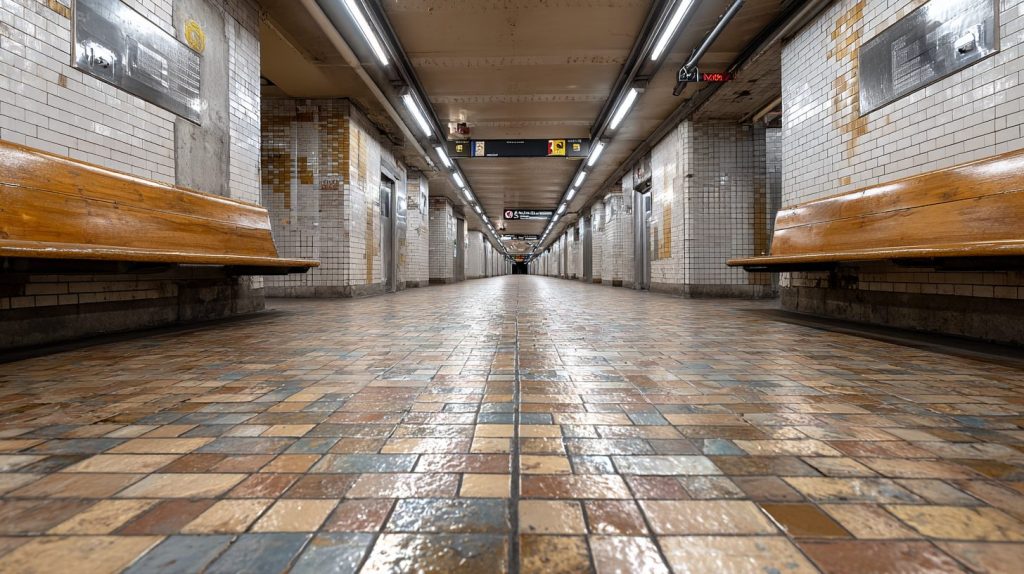
As visual tropes wear out, liminality moves elsewhere.
Into:
- interfaces
- systems of waiting
- digital friction
- invisible processes
The feeling persists even when the imagery changes.
This is why discussions about “overused liminal images” miss the point.
The aesthetic isn’t dying.
It’s relocating.
The Quiet Persistence of Unnamed Moods
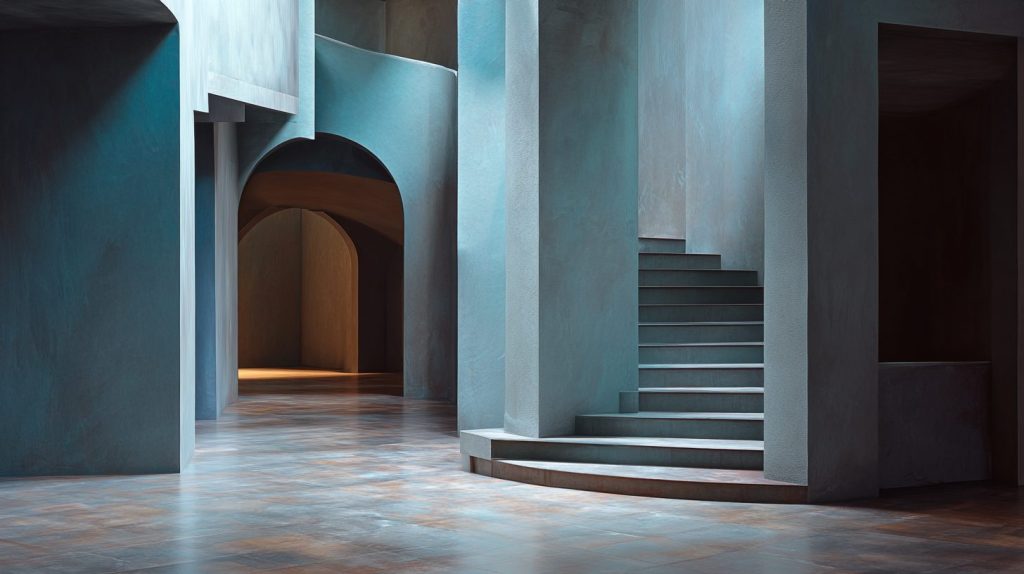
Not every feeling becomes an aesthetic.
Some remain unnamed, circulating quietly without labels or communities.
These unnamed moods are often the most powerful — because they haven’t been optimized, categorized, or flattened.
They exist briefly, intensely, and then disappear.
Until they return in another form.
What Comes After Liminal Spaces?
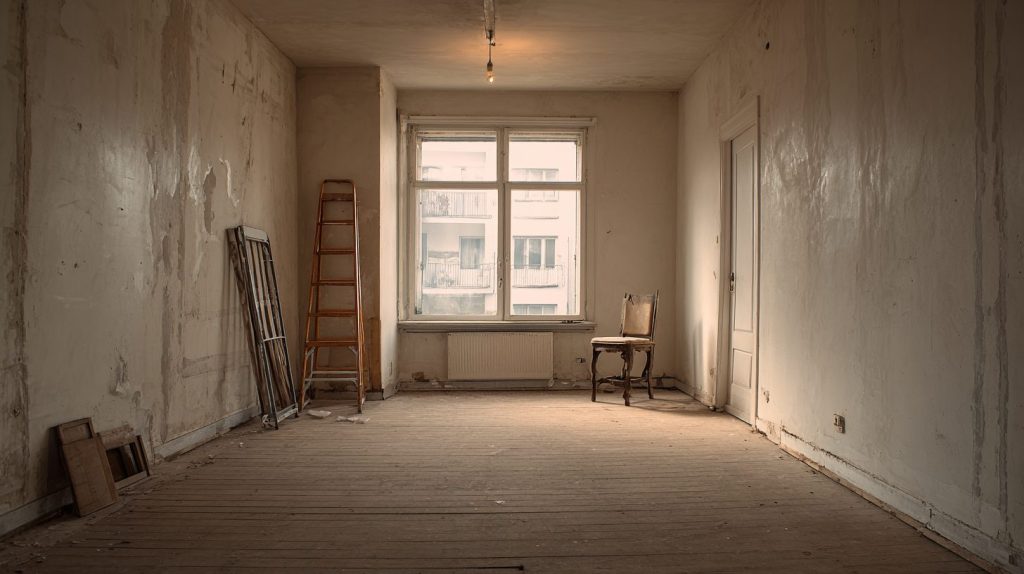
There may not be a single successor.
Instead, there will be multiple micro-transitions:
- fleeting moods
- temporary atmospheres
- half-formed aesthetics
Each will appear, resonate, and dissolve before stabilizing.
This doesn’t signal cultural emptiness.
It signals acceleration.
Living in Perpetual Transition
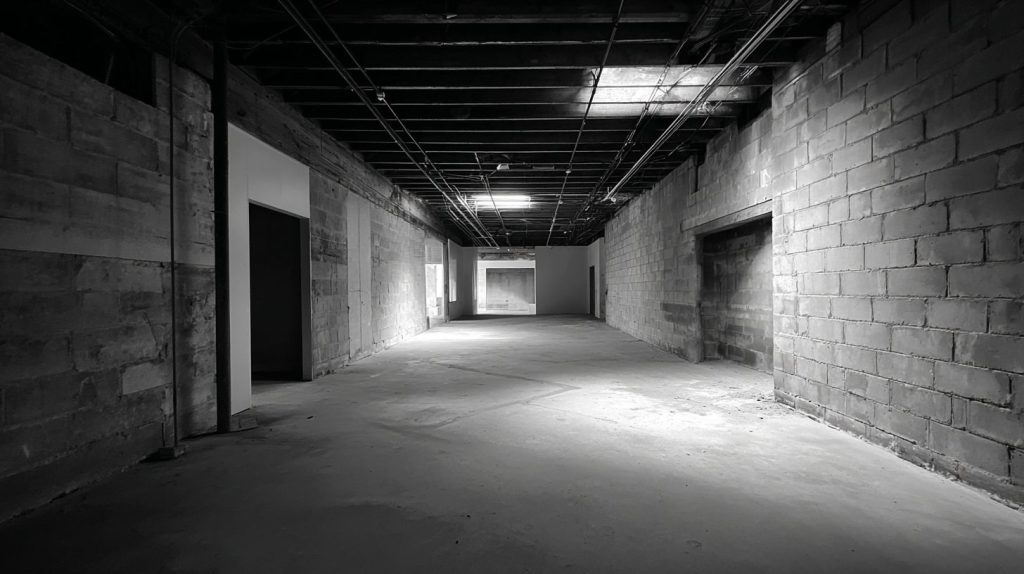
Modern digital life rarely offers closure.
Updates replace conclusions.
Feeds replace narratives.
States replace destinations.
In that environment, aesthetics don’t end — they overlap.
We don’t move from one to the next.
We exist between them.
This is why liminality continues to matter even as its images change.
The Value of Staying With the Question
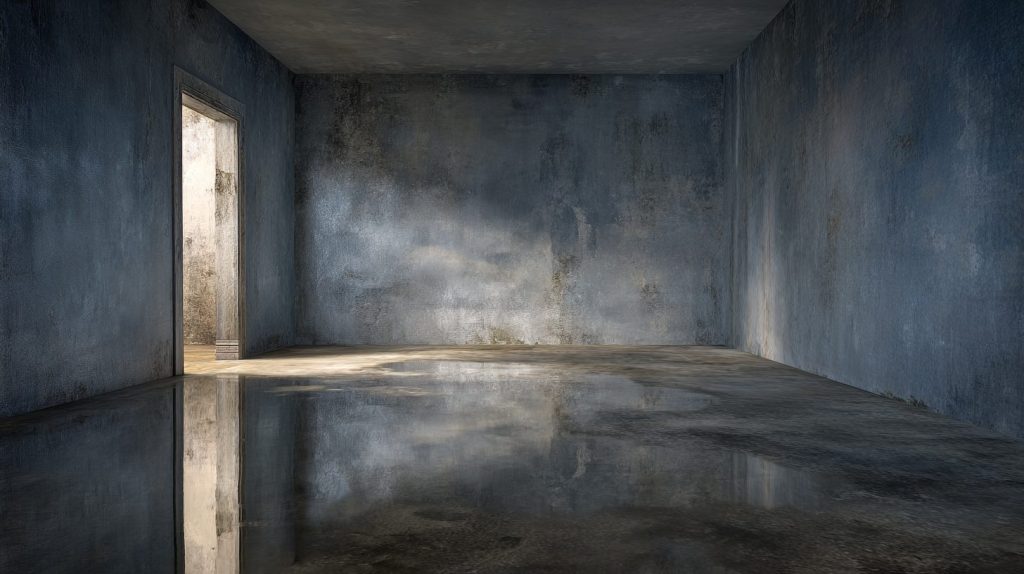
Asking whether an aesthetic is “over” assumes we need resolution.
But some cultural questions are more useful when left open.
Liminal spaces never asked to be solved.
They asked to be noticed.
The same may be true of whatever comes next.
Looking Ahead
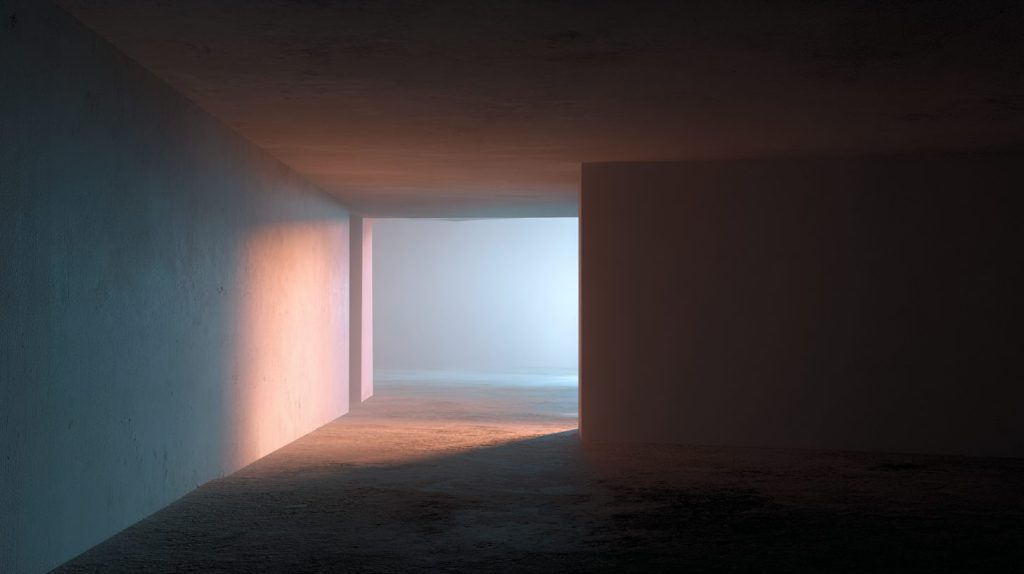
The future of online aesthetics will not be defined by new styles alone.
It will be shaped by how quickly feelings move from experience to image, from image to category, and from category to exhaustion.
What remains constant is transition.
Not as a trend —
but as a condition.


Comment