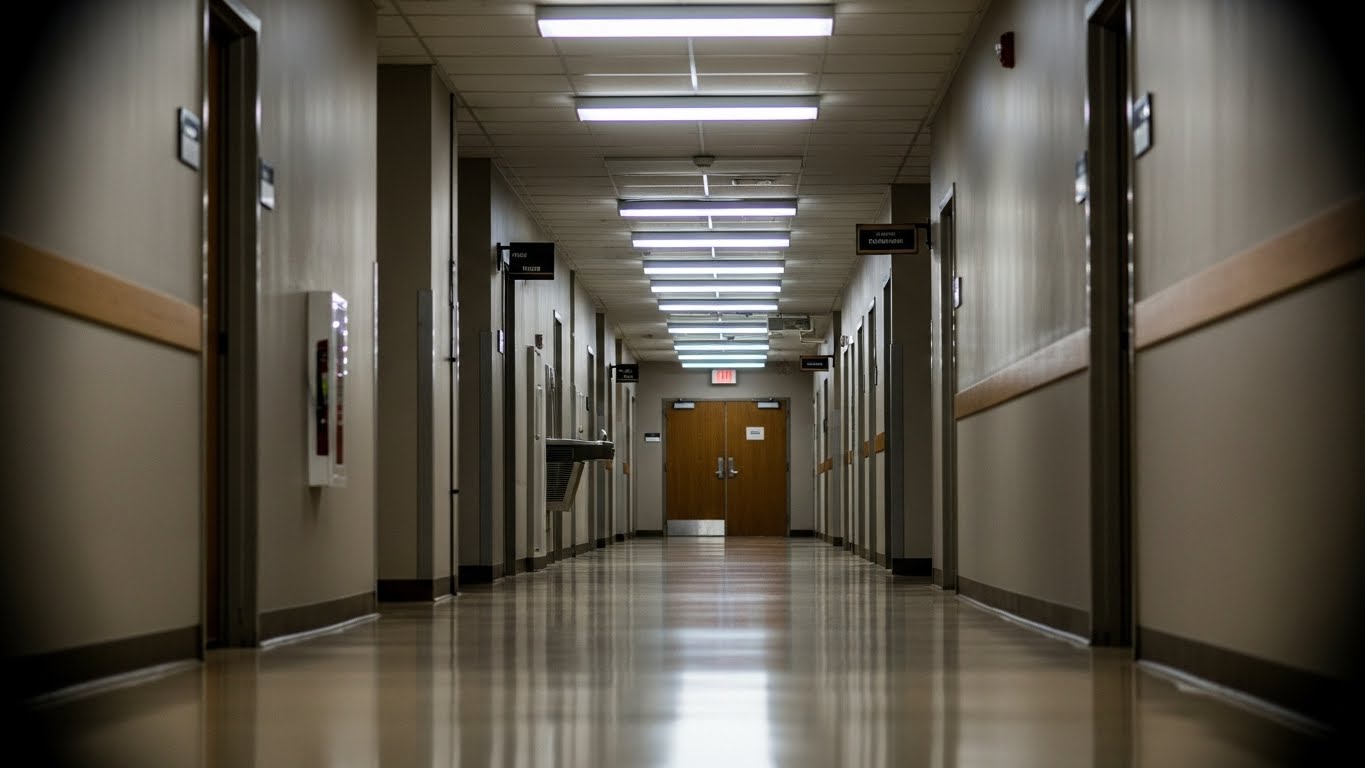
Liminal spaces and the Backrooms are often confused with each other.
They share similar visuals: empty hallways, fluorescent lights, repetitive architecture, and a general sense that something feels off. Online, images labeled as “liminal” are frequently mixed with Backrooms content, especially on platforms that favor eerie aesthetics.
But while they may look similar at first glance, liminal spaces and the Backrooms are fundamentally different ideas.
Understanding that difference matters — not just for accuracy, but for how we interpret these images emotionally and culturally.
What Liminal Spaces Actually Are

Liminal spaces are real, everyday environments designed for transition.
Hallways, waiting rooms, stairwells, parking garages, malls, schools, airports — these places exist to move people from one state to another. They are not destinations. They are thresholds.
What makes them liminal is not emptiness alone, but contextual absence.
They feel strange when removed from their usual human activity.
Emotional Ambiguity, Not Horror
Liminal spaces do not tell a story.
They don’t suggest danger, pursuit, or outcome.
Their emotional tone is ambiguous:
- familiar but distant
- calm but unsettling
- nostalgic but hollow
Any discomfort comes from incompleteness, not threat. We are observers, not participants.
What the Backrooms Are

The Backrooms are a fictional horror concept that originated as an internet creepypasta.
They describe an endless maze of identical yellow rooms, buzzing fluorescent lights, and carpeted floors — a place you accidentally “noclip” into, with no clear exit and an implied sense of danger.
Unlike liminal spaces, the Backrooms are not real places. They are deliberately constructed as a narrative environment.
Endless Space and Implied Threat
The Backrooms rely on:
- infinite repetition
- loss of orientation
- isolation
- the suggestion of unseen entities
Even when nothing happens, the expectation of danger is built in.
You are not simply looking at the Backrooms.
You are trapped inside them.
Why They Look Similar

Despite these differences, liminal spaces and the Backrooms often appear visually similar.
Empty Familiar Architecture
Both feature spaces that feel recognizable:
- office interiors
- hallways
- commercial buildings
- artificial lighting
This familiarity makes the emptiness more noticeable.
Repetition and Artificial Lighting
Repetition flattens space.
Fluorescent lighting removes warmth and time cues.
These shared visual elements are why images from each category are often mistaken for the other.
But visual similarity does not equal conceptual similarity.
The Key Differences

Presence vs. Absence of Narrative
Liminal spaces have no story attached to them.
They simply exist.
The Backrooms are entirely narrative-driven. Every image implies a scenario: how you got there, what might happen next, and why you should be afraid.
Observation vs. Survival
In liminal spaces, you are an observer.
The space does not react to you.
In the Backrooms, you are a participant.
The space is hostile, even if the threat is invisible.
Mood vs. Threat
Liminal spaces evoke mood:
- melancholy
- nostalgia
- quiet unease
The Backrooms evoke threat:
- danger
- paranoia
- loss of control
One is reflective.
The other is adversarial.
Why the Internet Blends Them Together
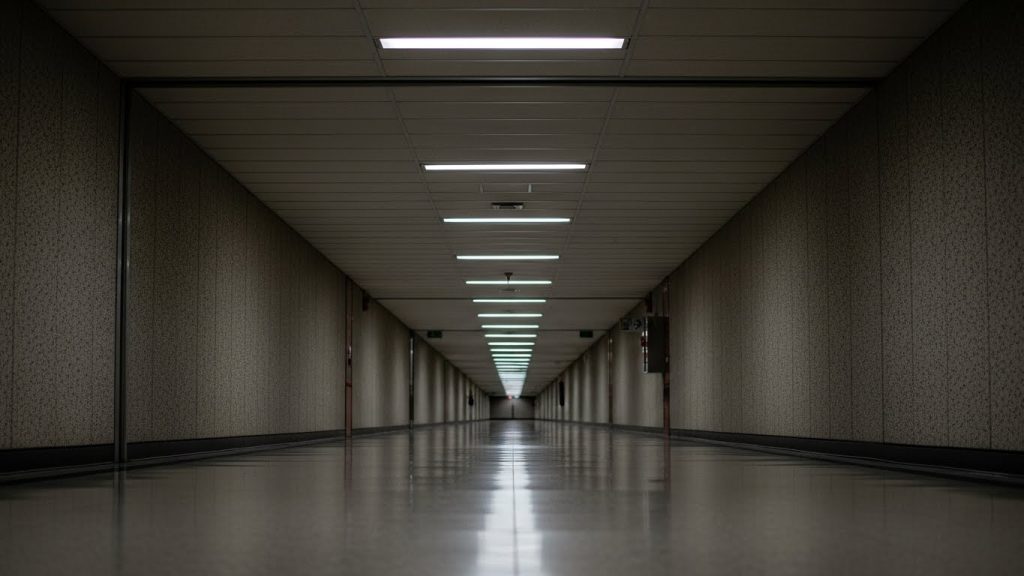
Algorithmic Aesthetics
Platforms often reward content that produces quick emotional reactions.
“Horror” is easier to label and market than subtle emotional ambiguity. As a result, liminal imagery is frequently reframed as creepy or threatening, even when that wasn’t the original intent.
Horror as a Shortcut
Calling something “the Backrooms” immediately signals fear.
This shortcut flattens nuance.
Quiet discomfort becomes explicit terror.
Over time, the distinction blurs.
Why the Distinction Matters
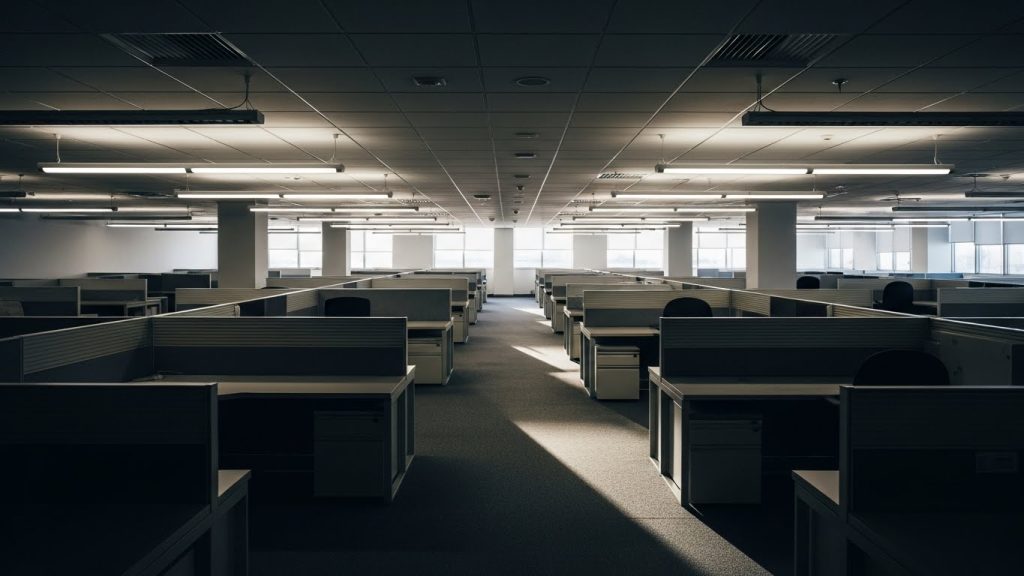
Losing Emotional Subtlety
When all liminal spaces are treated as horror, we lose what makes them interesting.
Not everything unsettling is dangerous.
Not everything empty is threatening.
Liminal spaces are valuable precisely because they sit in that in-between emotional space.
Understanding Liminal Spaces Beyond Horror
Separating liminal spaces from the Backrooms allows us to see them more clearly — as reflections of memory, routine, and modern life rather than just settings for fear.
They don’t ask, “What’s going to happen?”
They ask, “Why does this feel this way?”
Looking Forward
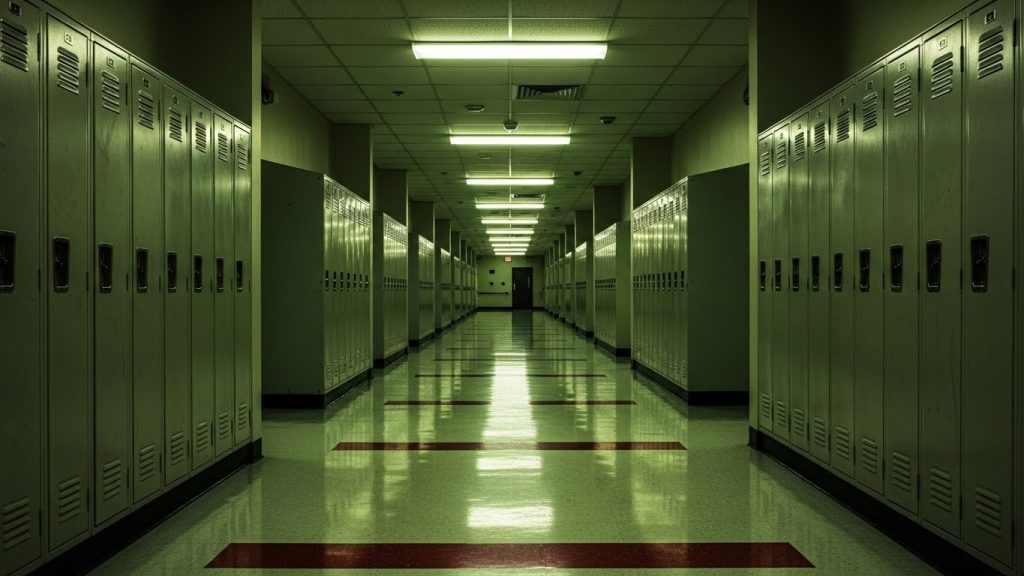
The Backrooms and liminal spaces will likely continue to overlap visually online. But understanding the difference changes how we engage with both.
One is a fictional nightmare.
The other is a quiet mirror.
Recognizing that distinction allows liminal spaces to remain what they are best at being: not horror environments, but emotional signals — subtle, unresolved, and deeply familiar.


Comment