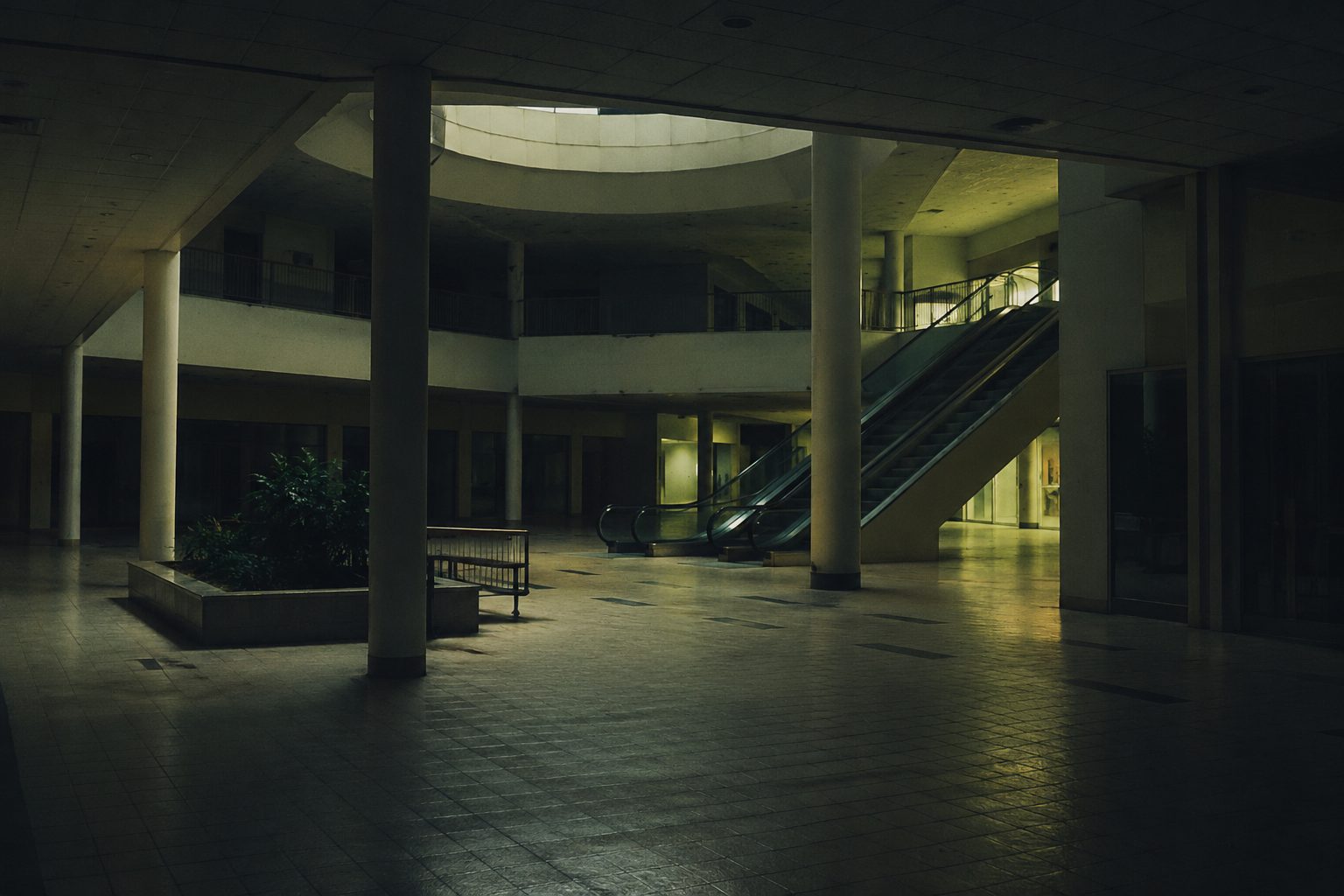
Liminal spaces are often grouped with internet aesthetics.
They appear across TikTok, Reddit, Tumblr, and YouTube.
They’re shared in curated image collections and discussed alongside Dreamcore, Weirdcore, and Vaporwave.
So naturally, many people assume liminal spaces are simply another internet aesthetic.
But they’re slightly different.
What Makes Something an Internet Aesthetic?
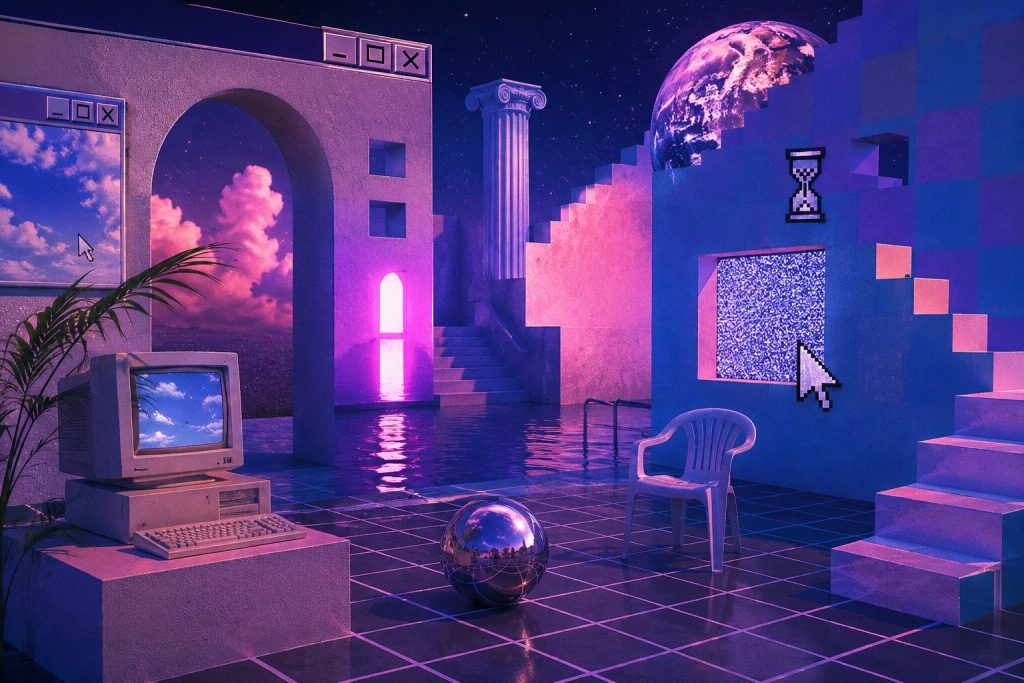
Most internet aesthetics share a few traits:
- a recognizable visual style
- intentional curation
- emotional branding
- repeated visual motifs
They are usually built around style and identity.
Dreamcore and Weirdcore, for example, rely heavily on edited imagery, symbolism, and visual consistency.
Liminal spaces don’t fully work that way.
Liminal Spaces Were Not Created Online
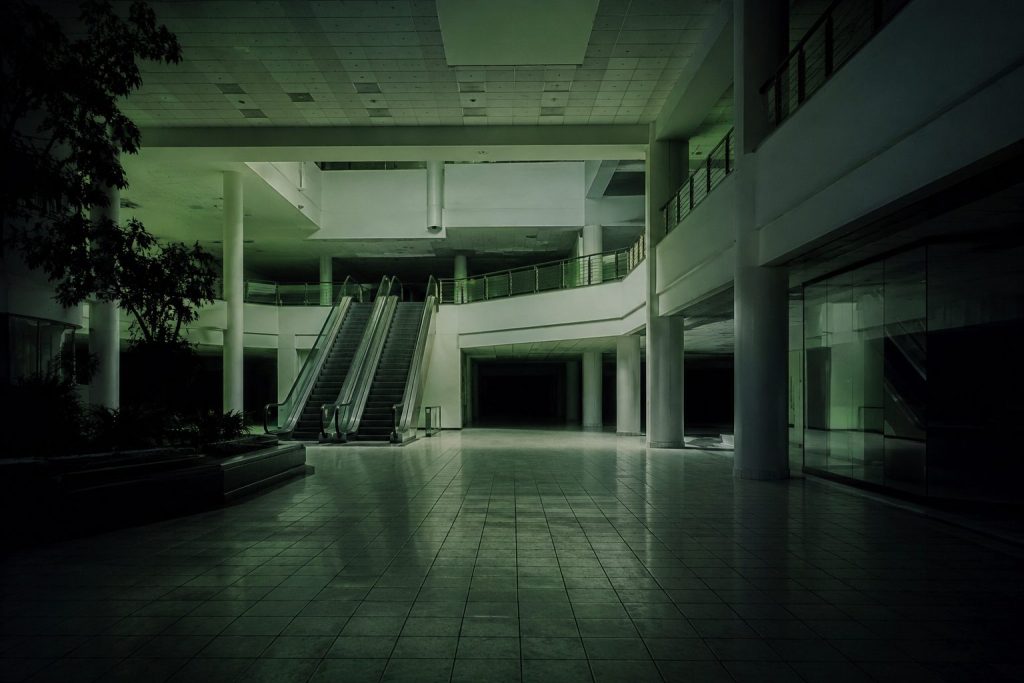
The internet did not invent liminal spaces.
Empty malls, silent hallways, hotel corridors, and waiting rooms already existed in everyday life.
What the internet did was give people a shared language for the strange feeling these places create.
That feeling often comes from environments that seem emotionally “in between”:
- familiar but empty
- recognizable but disconnected
- ordinary but unsettling
The term liminal originally comes from anthropology, especially the work of Arnold van Gennep and Victor Turner, who used it to describe transitional states between identities or phases of life.
Long before liminal spaces became an online trend, liminality already existed as a psychological and cultural concept.
Why Liminal Spaces Feel Different From Other Aesthetics
Most aesthetics are designed to express something:
- personality
- taste
- mood
- identity
Liminal spaces do something else.
They expose a feeling that already exists.
Psychologically, these images often trigger:
- nostalgia
- uncertainty
- emotional distance
- environmental unease
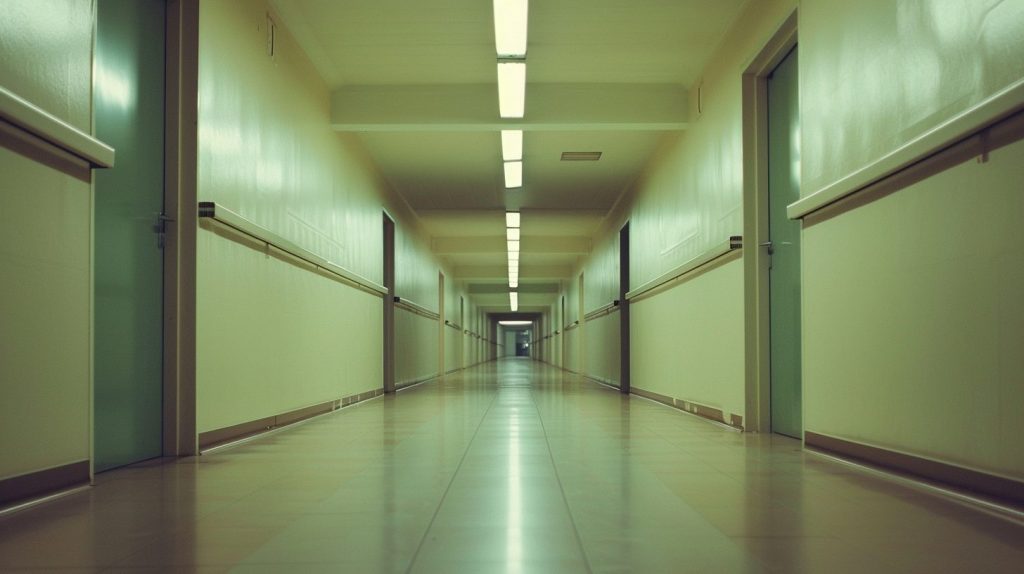
A school hallway feels strange when it’s empty because the brain expects activity there.
When that expectation disappears, the environment starts to feel incomplete.
That emotional reaction is what people recognize first — not the visual style itself.
Why They Still Function Like an Aesthetic
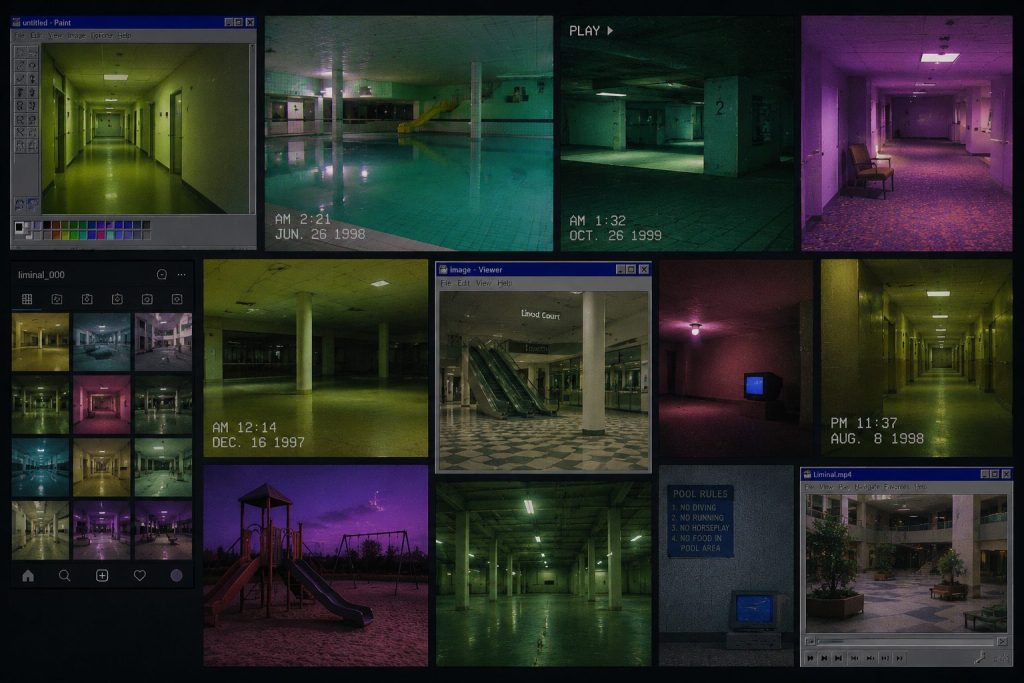
Even though liminal spaces were not originally designed as an aesthetic, online repetition gradually turned them into one.
Certain visual patterns became associated with liminality:
- fluorescent lighting
- empty architecture
- low-resolution photos
- childhood environments
- unnatural silence
Over time, this created a recognizable visual language online.
That’s why liminal spaces now function like an internet aesthetic, even if their origin is different.
Why Liminal Spaces Became So Popular Online

Modern internet culture itself feels strangely liminal.
People constantly move between:
- identities
- moods
- online spaces
- trends
- conversations
Scrolling online rarely feels stable or complete.
Liminal spaces visualize that emotional condition almost perfectly.
They do not just fit into internet culture.
They reflect how internet culture feels.
Final Thoughts
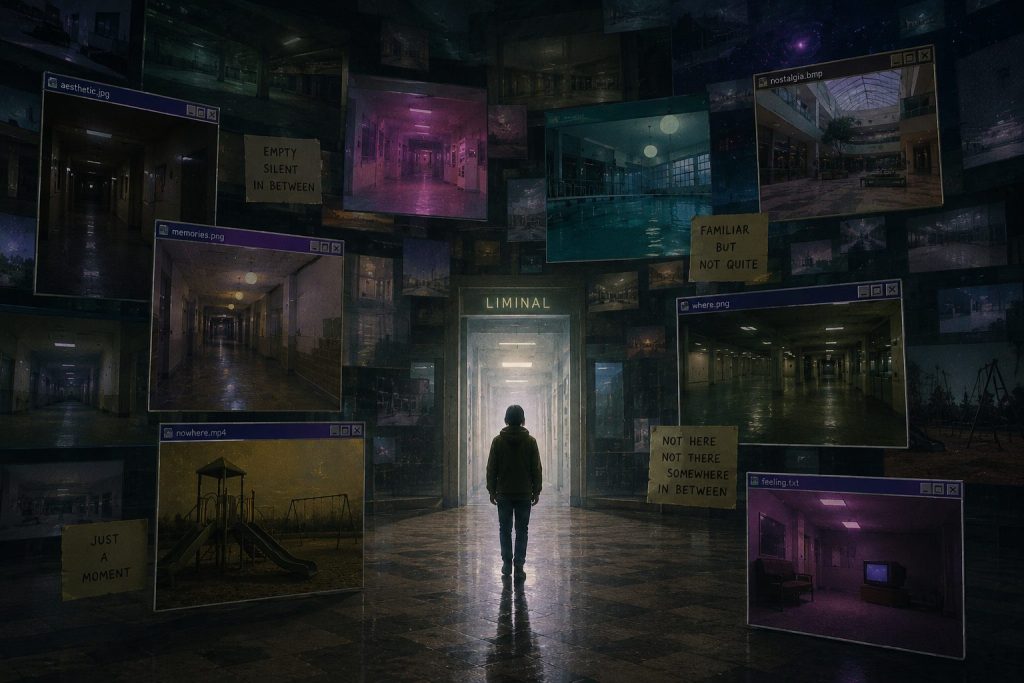
Liminal spaces behave like an internet aesthetic because they are:
- shared
- categorized
- visually recognizable
- emotionally consistent
But unlike most aesthetics, they do not begin with style.
They begin with emotional recognition.
The internet did not create liminality.
It simply gave the feeling a name.
Liminal spaces can feel very different when experienced through sound and the passage of time, not just images.
I’ve also documented related liminal visuals and atmospheres on YouTube.

Comment