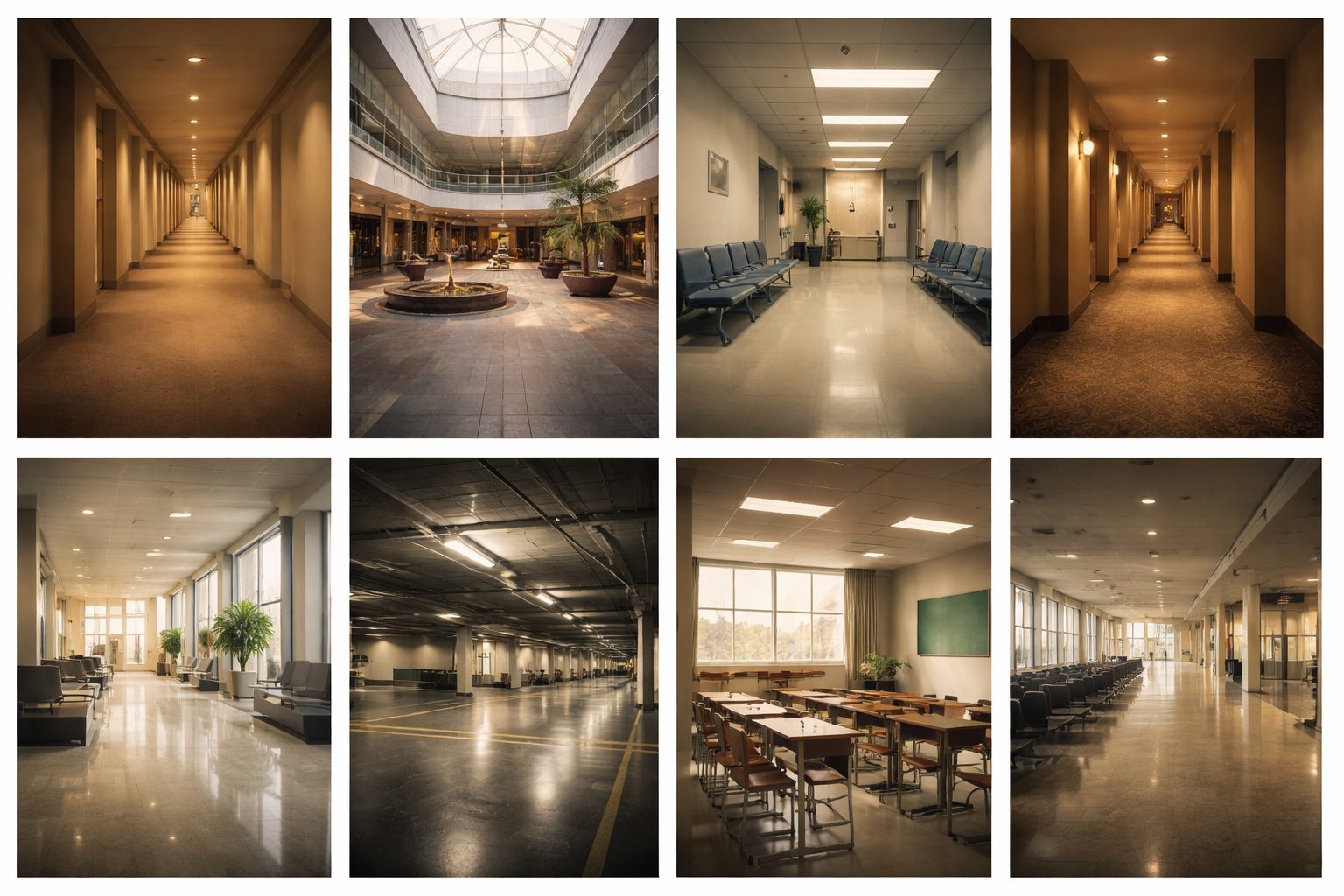
Empty spaces are everywhere online.
Silent hallways.
Vacant rooms.
Deserted malls.
Unoccupied digital environments.
Nothing is happening — and yet people continue to search for, share, and revisit these images.
Why do empty spaces online feel so powerful?
The answer lies in psychology, perception, and the way digital environments reshape emotional experience.
This article explores why liminal spaces, empty rooms, and quiet online environments feel calming to some people and unsettling to others.
- What Are Empty Spaces Online?
- Why Empty Spaces Feel Calming to Many People
- Why Liminal Spaces Feel So Strange
- The Role of Visual Silence in Digital Environments
- Why Some People Find Empty Spaces Unsettling
- How Empty Spaces Reflect the Experience of Online Time
- Empty Spaces as an Internet Aesthetic
- The Psychological Value of Digital Stillness
- Conclusion: Why We Keep Returning to Empty Spaces Online
What Are Empty Spaces Online?
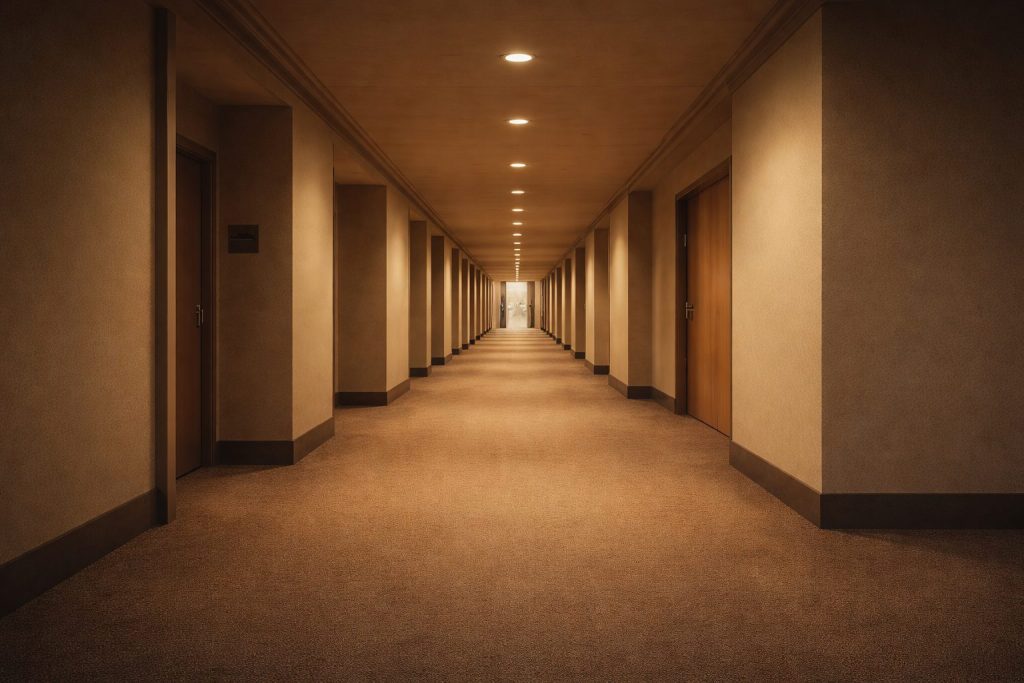
In digital culture, “empty spaces” refer to environments that appear functional but unoccupied.
These may include:
Empty buildings
Transitional architecture
Abandoned-looking commercial spaces
Low-activity virtual environments
Still frames of public places without people
They are often visually intact but socially inactive.
This distinction is crucial.
An empty space is not necessarily broken.
It is simply paused.
That pause is what creates emotional response.
Why Empty Spaces Feel Calming to Many People
1. Reduced Cognitive Load
Most online content demands attention.
Movement competes for perception.
Information requires processing.
Social interaction introduces complexity.
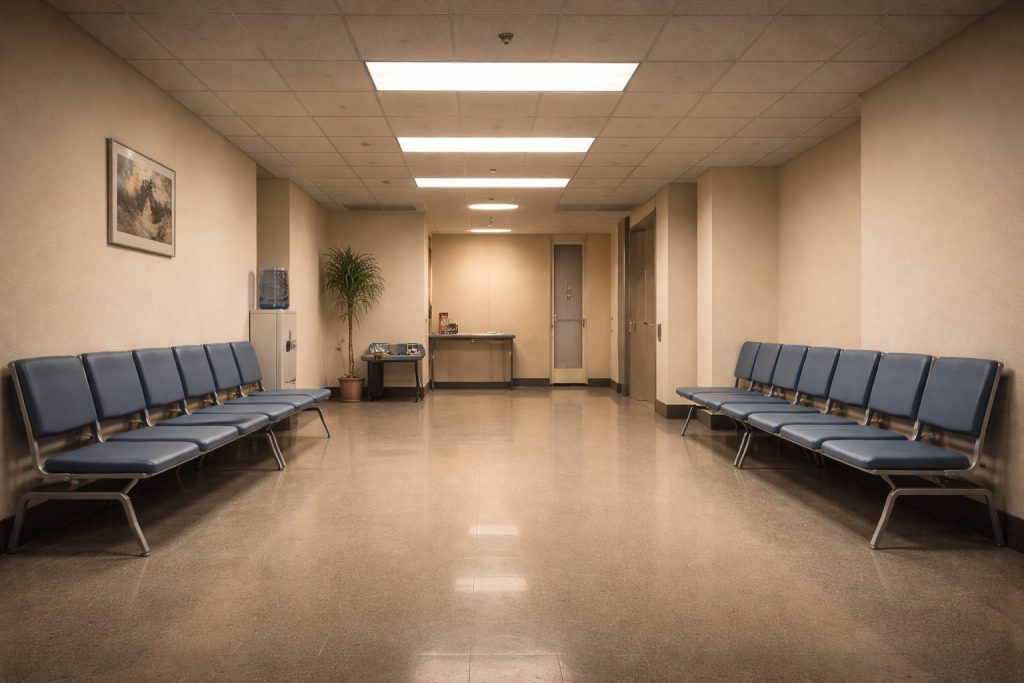
Empty environments remove these pressures.
Without social signals or narrative direction, the brain experiences reduced stimulation.
This can feel like mental relief.
In highly connected digital contexts, stillness becomes restorative.
2. Absence of Social Evaluation
Human presence introduces psychological variables:
Judgment
Expectation
Unpredictability
Comparison
Online interaction intensifies these factors due to reduced contextual cues.
Empty spaces eliminate social evaluation entirely.
The viewer can observe without participating.
This creates a rare experience of passive presence.
3. Emotional Projection and Interpretive Freedom
Empty environments do not dictate meaning.
They provide structure without narrative.
Because nothing is explicitly happening, individuals project their own emotional states onto the environment.
This may result in feelings of:
Calm
Nostalgia
Melancholy
Curiosity
Existential reflection
The space functions as an emotional surface rather than a fixed message.
Why Liminal Spaces Feel So Strange
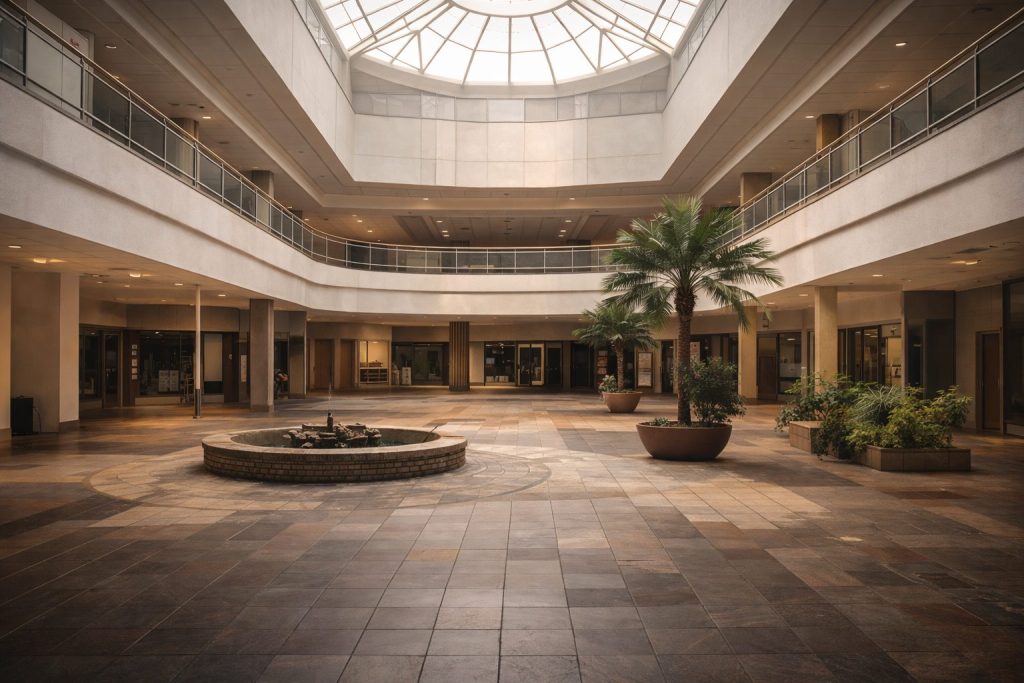
Liminal spaces occupy psychological thresholds.
They are environments associated with transition rather than destination.
Common examples include:
Corridors
Waiting areas
Transit spaces
Hotel lobbies
Stairwells
These locations are familiar but lack personal attachment.
When encountered without activity, they disrupt expected patterns of social behavior.
The brain recognizes the setting but cannot assign immediate context.
This mismatch produces a sensation often described as “strange” or “uncanny.”
The Role of Visual Silence in Digital Environments
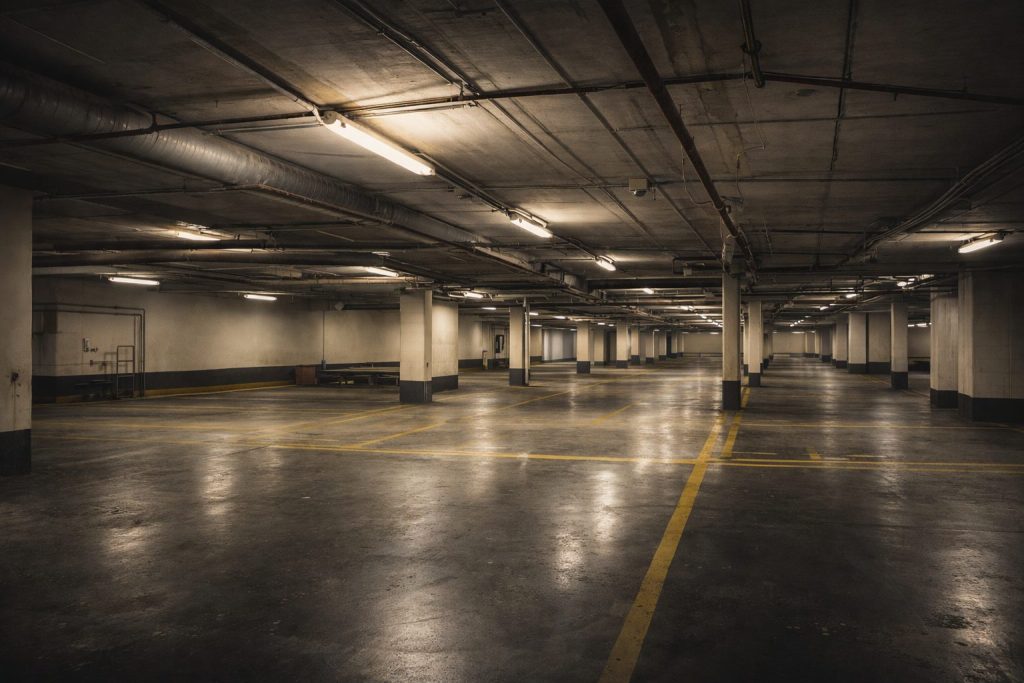
Modern online ecosystems are characterized by constant motion.
Notifications
Scrolling interfaces
Video autoplay
Algorithmic feeds
Visual silence has become rare.
Empty spaces create perceptual contrast.
They slow visual processing and interrupt habitual engagement patterns.
This interruption can feel soothing, similar to sensory reduction techniques used in stress management.
Why Some People Find Empty Spaces Unsettling
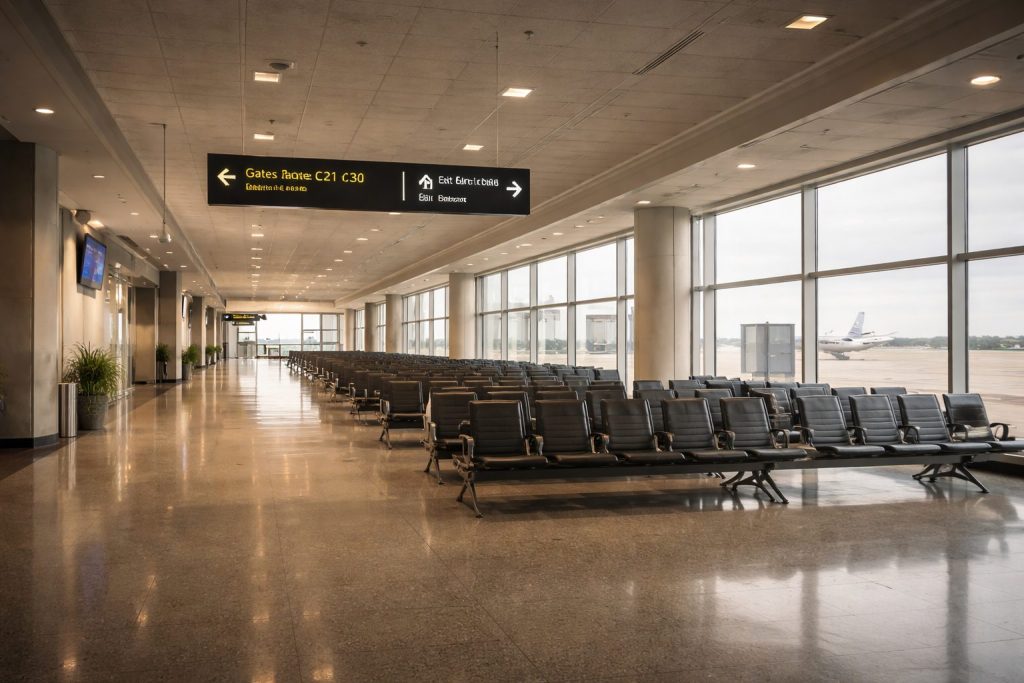
Emotional responses to emptiness are not universal.
For certain viewers, unoccupied environments trigger associations with:
Isolation
Abandonment
Disorientation
Existential uncertainty
These reactions are influenced by personal experience, cultural context, and psychological predisposition.
Where one person perceives calm, another may perceive loss.
The environment itself remains neutral.
Meaning emerges through interpretation.
How Empty Spaces Reflect the Experience of Online Time
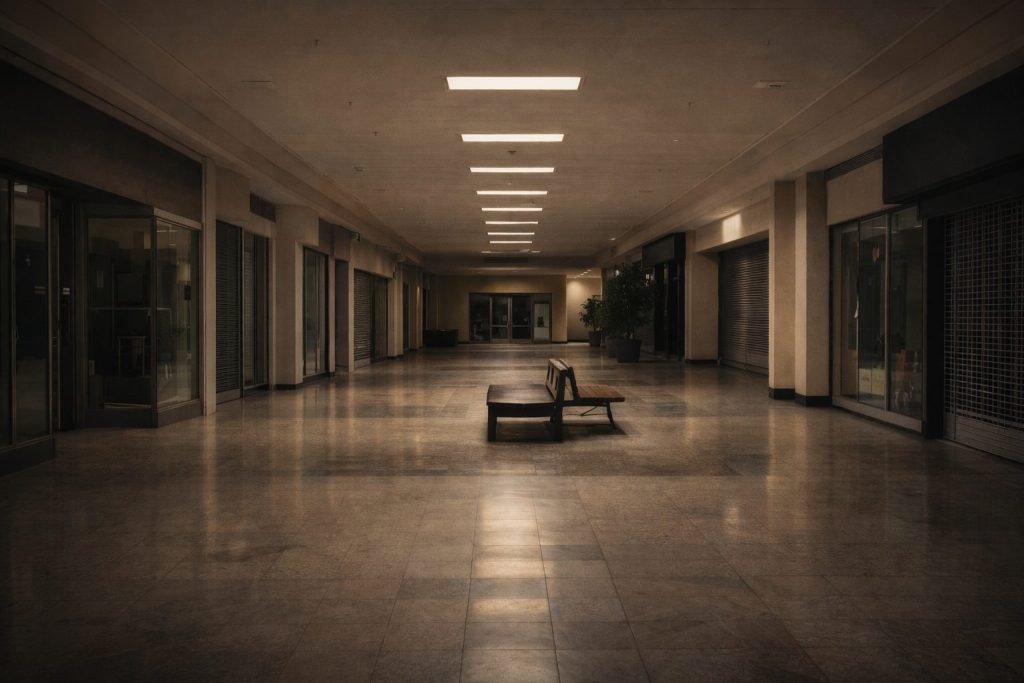
Digital time perception differs from physical time.
Scrolling compresses experience.
Content consumption blurs duration.
Progress becomes ambiguous.
Empty environments visually mirror this temporal suspension.
They appear neither active nor decayed.
Instead, they exist in a state of prolonged pause.
This resonance between visual stillness and temporal ambiguity contributes to their psychological impact.
Empty Spaces as an Internet Aesthetic
Over time, empty environments have evolved into a recognizable online aesthetic.
This includes visual cultures such as:
Liminal spaces
Backrooms imagery
Analog nostalgia visuals
Dreamcore and weirdcore environments
In these contexts, emptiness is not accidental.
It is curated to evoke emotional neutrality and reflective perception.
Rather than communicating narrative, these aesthetics prioritize atmosphere.
The Psychological Value of Digital Stillness
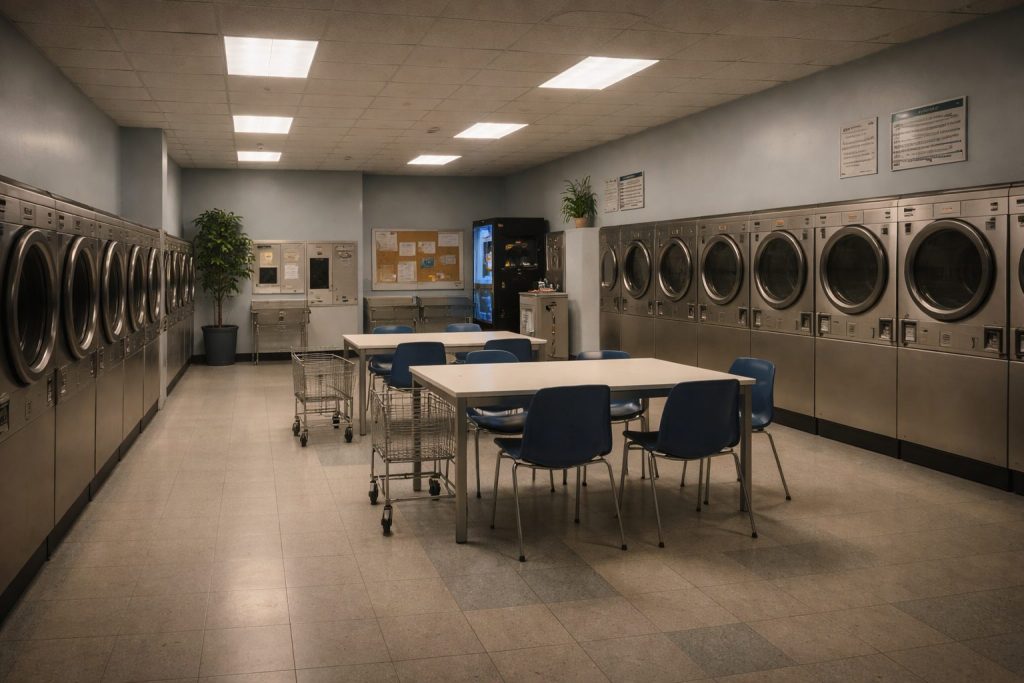
In high-stimulation environments, moments of perceptual quiet become meaningful.
Empty spaces offer:
Reduced sensory input
Temporary detachment from social demands
Opportunities for emotional processing
Non-directive observation
These qualities explain why empty digital environments continue to attract attention despite their lack of conventional content.
Conclusion: Why We Keep Returning to Empty Spaces Online
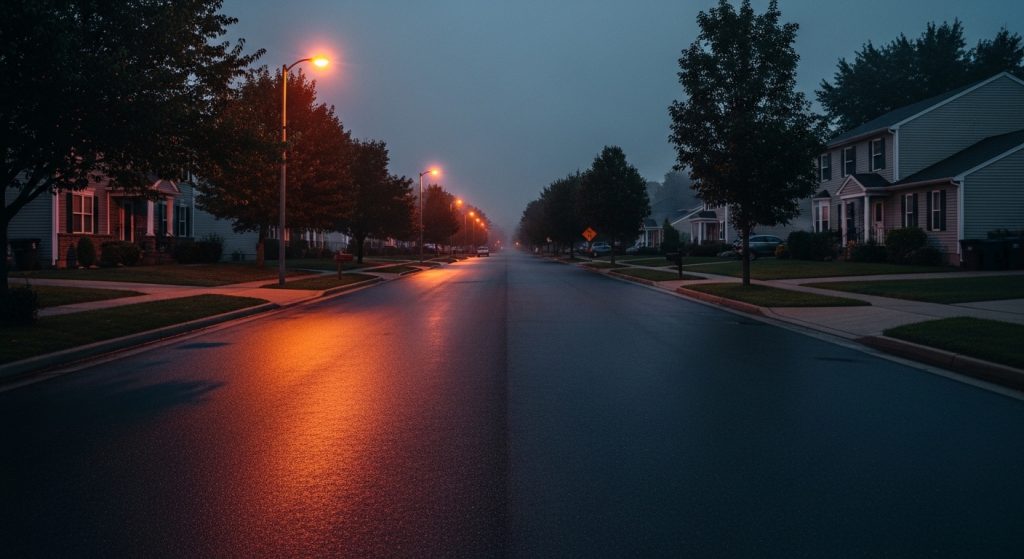
People are drawn to empty spaces online because they alter the usual dynamics of digital engagement.
They reduce pressure.
They remove expectation.
They allow interpretation without instruction.
For some, they provide calm.
For others, they reveal discomfort.
In both cases, empty environments function as psychological thresholds —
places where perception slows and meaning becomes optional.
In an online world defined by constant activity, that pause has become increasingly significant.


Comment