
Internet aesthetics are everywhere.
From soft pastel feeds and vaporwave edits to liminal spaces and nostalgic UI fragments, digital aesthetics shape how online environments feel.
Yet when people try to explain them — why they work, what they mean, or why they resonate — the explanation often feels incomplete.
This is not a failure of interpretation.
It is a feature of how internet aesthetics function.
Understanding why they resist explanation requires understanding what they are designed to do.
- What Are Internet Aesthetics?
- Why Internet Aesthetics Are Difficult to Explain
- They Are Designed for Feeling, Not Information
- Meaning Is Optional
- They Operate Through Mood Instead of Message
- Context Is Continuously Removed
- Ambiguity Is Structural, Not Accidental
- Personal Projection Is Central to the Experience
- Internet Aesthetics and Dream Logic
- Why Ambiguous Aesthetics Spread More Easily Online
- When Explanation Still Happens
- Conclusion
What Are Internet Aesthetics?
Internet aesthetics refer to visual and emotional styles that emerge within digital environments.
Unlike traditional art movements, they are not always tied to institutions, manifestos, or stable cultural contexts.
They evolve through circulation: reposts, edits, algorithmic exposure, and collective participation.
Examples include:
- vaporwave
- liminal space imagery
- Y2K digital nostalgia
- soft minimalism
- glitch aesthetics
- analog-digital hybrids
These aesthetics are not defined solely by visual traits.
They are defined by the moods they generate.
Why Internet Aesthetics Are Difficult to Explain
Internet aesthetics resist explanation because they are not primarily designed to communicate clear messages.
They are designed to create experiential atmospheres.
Where traditional visual culture often sought meaning, digital aesthetics frequently prioritize sensation.
Explanation, in this context, can feel like translating a mood into a language that cannot fully contain it.
They Are Designed for Feeling, Not Information

Many internet aesthetics operate as emotional environments rather than symbolic systems.
They create:
- softness
- unease
- nostalgia
- detachment
- quiet familiarity
These states are experienced directly rather than decoded.
When viewers attempt to interpret them analytically, the affective immediacy may diminish.
Meaning Is Optional
In many cases, understanding the origin or intention of an aesthetic image is unnecessary.
A reposted image might carry:
- no clear author
- no fixed historical context
- no singular narrative
The absence of definitive meaning does not weaken the experience.
It often strengthens it.
Internet aesthetics allow viewers to remain within ambiguity rather than resolve it.
They Operate Through Mood Instead of Message

Messages require clarity and structure.
Moods function through atmosphere.
Digital aesthetic cultures emphasize:
- tonal coherence
- emotional suggestion
- spatial or temporal ambiguity
This shift reflects broader changes in how visual media are consumed online.
Rapid exposure and fragmented attention favor environments that can be felt instantly rather than interpreted gradually.
Context Is Continuously Removed

Online circulation detaches images from their origins.
An aesthetic fragment may be:
- reposted thousands of times
- reframed by different communities
- algorithmically surfaced in new contexts
Over time, explanatory authority dissolves.
The image becomes defined by its current appearance rather than its initial intention.
Ambiguity Is Structural, Not Accidental

Ambiguity is often built into internet aesthetics.
Unclear emotional direction, undefined spatial logic, and unresolved narratives are common characteristics.
This openness allows the aesthetic to persist across multiple interpretations.
If fully explained, its interpretive flexibility would collapse.
Personal Projection Is Central to the Experience

Internet aesthetics invite viewers to project their own emotional associations.
Different individuals may experience:
- comfort
- alienation
- longing
- calm
- subtle anxiety
This variability is not a side effect.
It is a core mechanism of engagement.
A fixed explanation would reduce the aesthetic’s capacity to resonate across diverse audiences.
Internet Aesthetics and Dream Logic

Internet aesthetics often operate according to a structure similar to dream logic.
Dreams are not typically evaluated for narrative clarity.
They are remembered through emotional coherence.
Similarly, digital aesthetic environments prioritize:
- associative transitions
- non-linear perception
- emotional continuity over rational explanation
This dream-like structure helps explain why aesthetic images can feel meaningful without conveying explicit meaning.
They function as experiential spaces rather than communicative statements.
Why Ambiguous Aesthetics Spread More Easily Online
Content that resolves quickly tends to lose circulation.
Ambiguous content persists because it remains open.
Unresolved emotional experiences encourage:
- reinterpretation
- sharing
- remixing
- aesthetic adaptation
In digital ecosystems shaped by algorithms and participatory culture, ambiguity becomes a form of durability.
Internet aesthetics resist explanation partly because unresolved affect extends their lifespan.
When Explanation Still Happens
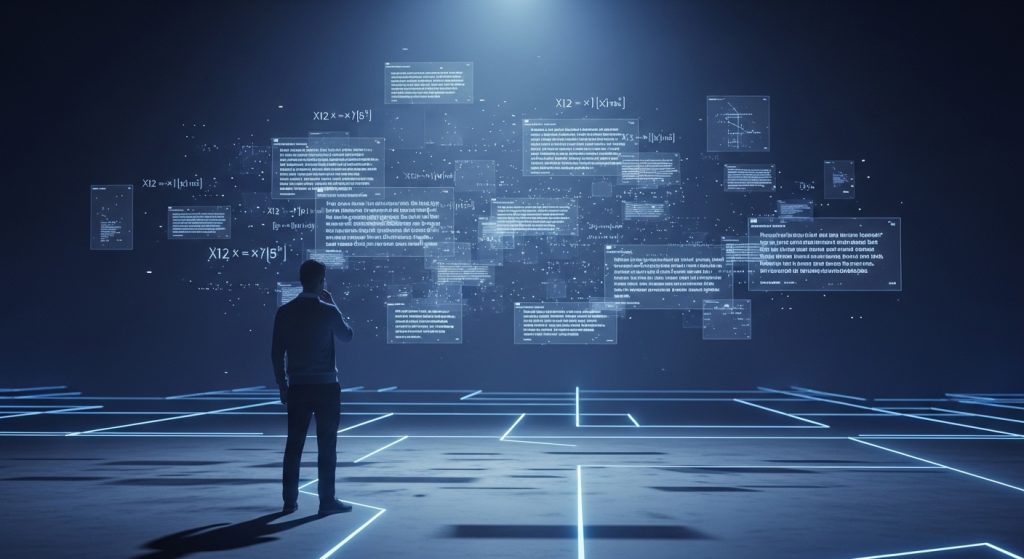
Critical discourse around internet aesthetics continues to develop.
Scholars, creators, and online communities frequently attempt to analyze aesthetic trends and their cultural implications.
However, these explanations usually function as parallel interpretations rather than definitive conclusions.
The aesthetic experience remains intact even when theoretical frameworks emerge around it.
Conclusion

Internet aesthetics resist explanation because they prioritize experiential engagement over semantic clarity.
They function through:
- mood rather than message
- ambiguity rather than resolution
- circulation rather than origin
- emotional projection rather than fixed meaning
They are not problems to solve.
They are environments to inhabit.
Understanding this shift is essential for interpreting how visual culture operates in digital spaces.


Comment