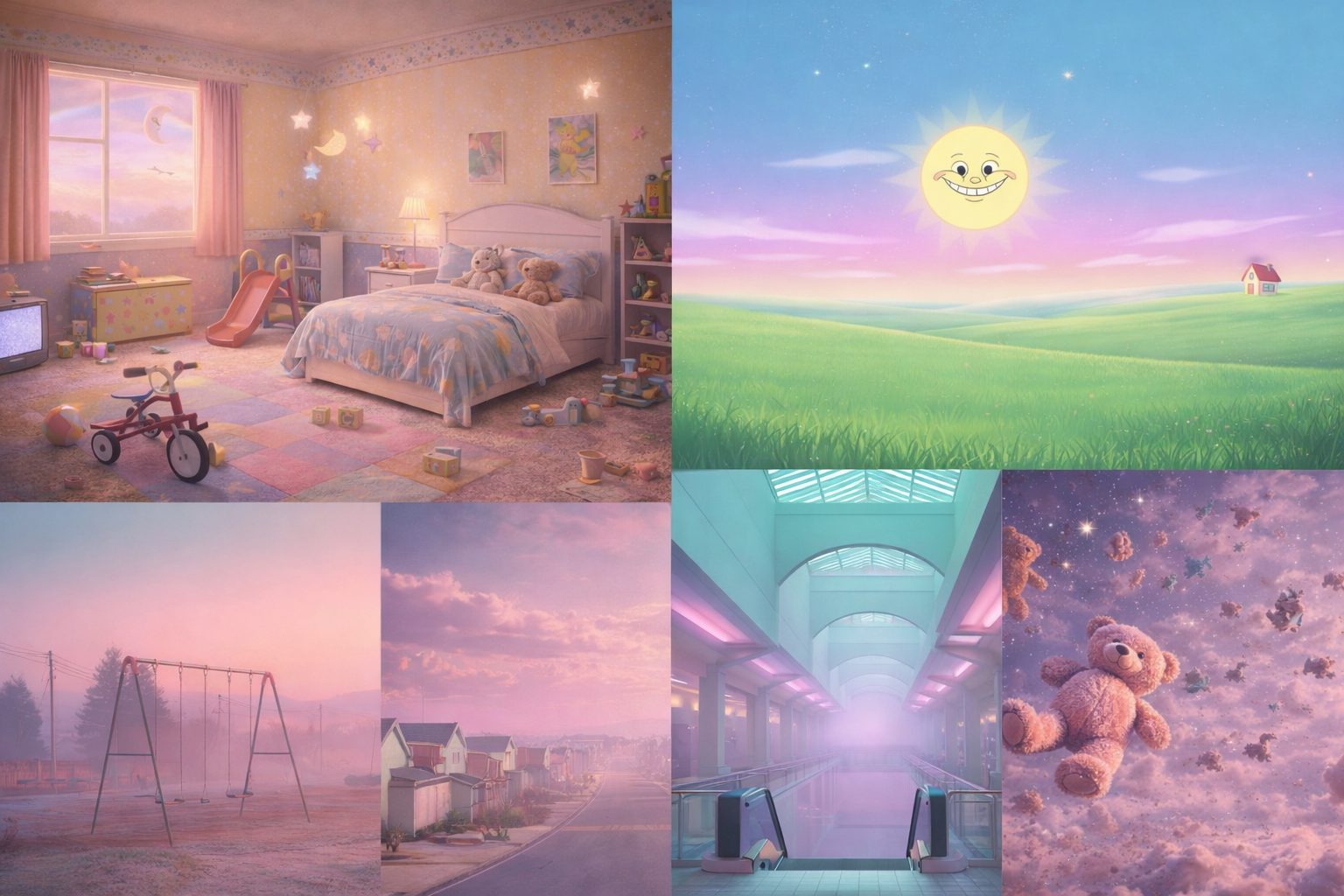
Dreamcore is one of the most intriguing internet-born aesthetics to emerge in recent years. Blending nostalgia, surreal imagery, and emotional ambiguity, dreamcore visuals often feel both strangely comforting and quietly unsettling at the same time.
Unlike traditional art movements, dreamcore exists primarily within digital culture — shaped by online communities, visual experimentation, and evolving aesthetic trends.
It thrives on ambiguity, personal interpretation, and the subtle emotional resonance of images that feel like fragments of half-remembered dreams.
In this visual guide, we’ll explore 20 common types of dreamcore imagery frequently seen across online aesthetic spaces.
Rather than strict definitions, these categories represent recurring visual themes that capture the essence of the dreamcore atmosphere.
It’s important to note that dreamcore is not a formally defined art movement or academic category. Like many internet-born aesthetics, its meaning evolves through online communities, changing trends, and personal interpretation.
What one person considers dreamcore may be described by others as weirdcore, liminal, or surreal. These labels are fluid rather than fixed.
For this reason, the categories in this article should be seen as common visual themes rather than strict definitions. In internet aesthetics, there is rarely a single “correct” way to classify an image — only shared impressions and evolving cultural consensus.
- What Is Dreamcore?
- Why Dreamcore Images Feel So Familiar Yet Unsettling
- 1.Empty Playground Dreamcore
- 2.Endless Hallway Dreamcore
- 3.Childhood Bedroom Dreamcore
- 4.Floating Objects Dreamcore
- 5.Foggy Suburb Dreamcore
- 6.Infinite Sky Dreamcore
- 7.Poolroom Dreamcore
- 8.Cartoon World Dreamcore
- 9.Retro Technology Dreamcore
- 10.Night Street Dreamcore
- 11.Mirror Distortion Dreamcore
- 12.School Dreamcore
- 13.Deserted Mall Dreamcore
- 14.Soft Pastel Void Dreamcore
- 15.Cosmic Childhood Dreamcore
- 16. Pastel Suburban Dreamcore
- 17. Infinite Sky Dreamcore
- 18. Clean Liminal Architecture Dreamcore
- 19. Conceptual Object Dreamcore
- 20. Repetitive Pattern Dreamcore
- Dreamcore as an Evolving Visual Language
What Is Dreamcore?
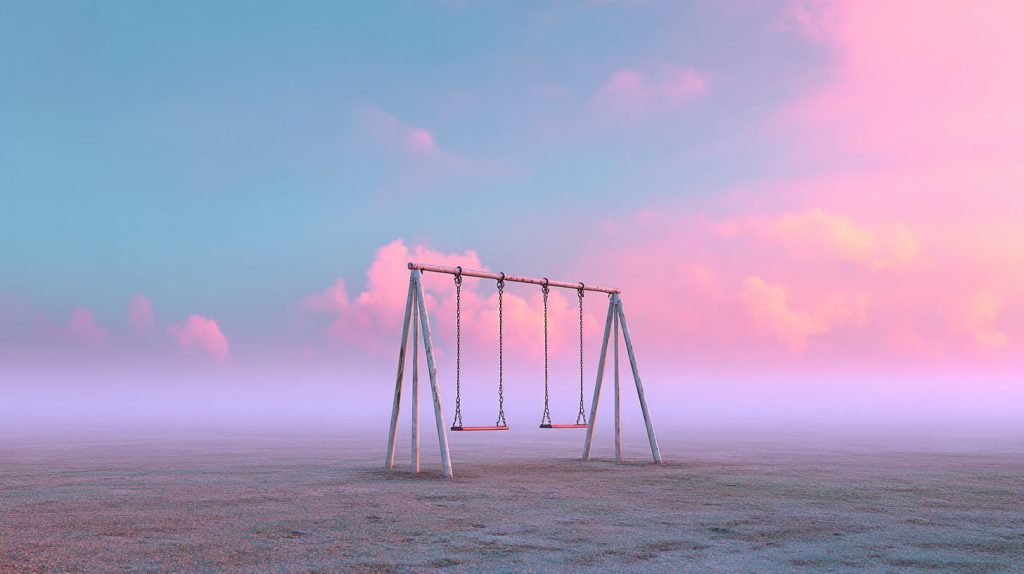
Dreamcore is an internet aesthetic centered around imagery that evokes the emotional logic of dreams. These visuals often combine familiar environments with subtle distortions, nostalgic references, and surreal elements that create a sense of psychological liminality.
Rather than focusing on narrative meaning, dreamcore emphasizes atmosphere and emotional perception. Images may feel peaceful yet uncanny, personal yet universal — like memories that never fully existed.
Why Dreamcore Images Feel So Familiar Yet Unsettling

One of the defining qualities of dreamcore imagery is its ability to trigger a paradoxical emotional response. Familiar spaces such as playgrounds, bedrooms, hallways, or suburban streets appear altered in subtle ways, producing a sense of recognition mixed with quiet disorientation.
This emotional tension often stems from nostalgia, subconscious symbolism, and the fragmented logic of dreams. Dreamcore visuals do not aim to tell clear stories; instead, they evoke impressions, moods, and sensations that exist somewhere between memory and imagination.
These qualities have made dreamcore particularly resonant within internet visual culture, where shared emotional experiences often transcend literal meaning.
1.Empty Playground Dreamcore
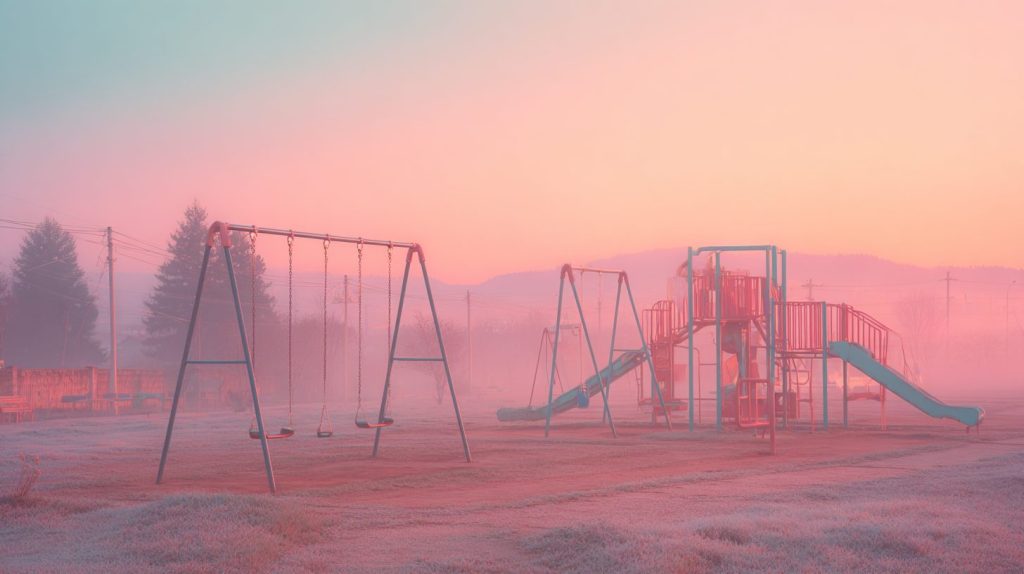
Empty playground imagery is one of the most recognizable expressions of dreamcore. These scenes often evoke childhood memories, but the absence of people creates an unsettling emotional distance.
Familiar structures such as swings or slides appear suspended in a quiet, timeless atmosphere. The result is a visual paradox — a place meant for joy that instead feels eerily contemplative.
2.Endless Hallway Dreamcore
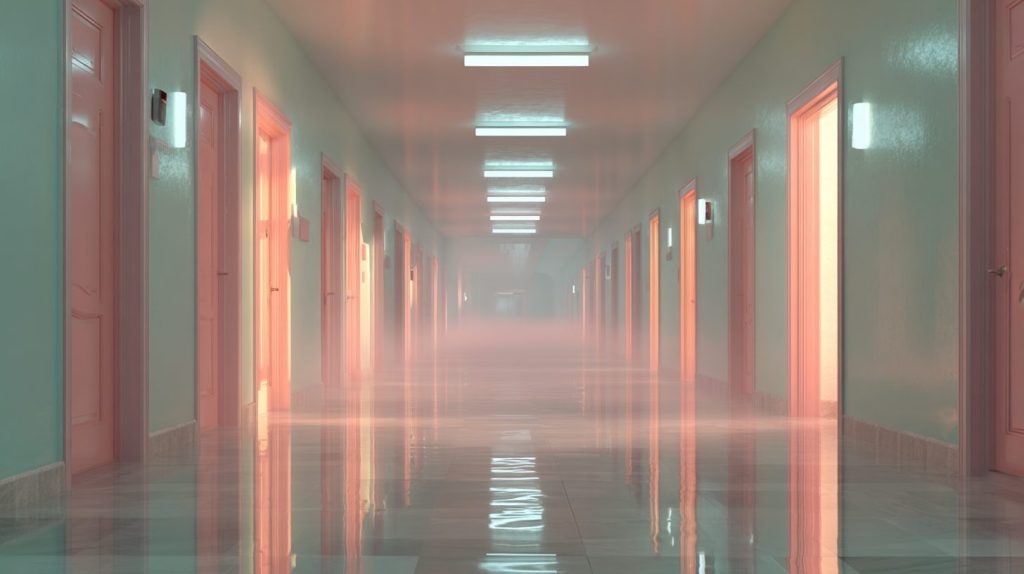
Endless corridors and repeating architectural spaces represent the dreamlike distortion of perception.
These environments suggest movement without progress, direction without destination. In dreamcore imagery, hallways often symbolize psychological liminality — the feeling of existing between states, identities, or realities.
3.Childhood Bedroom Dreamcore

Dreamcore bedrooms typically feature soft lighting, nostalgic objects, and subtle surreal distortions. Toys, posters, and familiar domestic details evoke emotional memory rather than literal realism.
These images often feel deeply personal, as if recalling fragments of a childhood that is both remembered and imagined.
4.Floating Objects Dreamcore
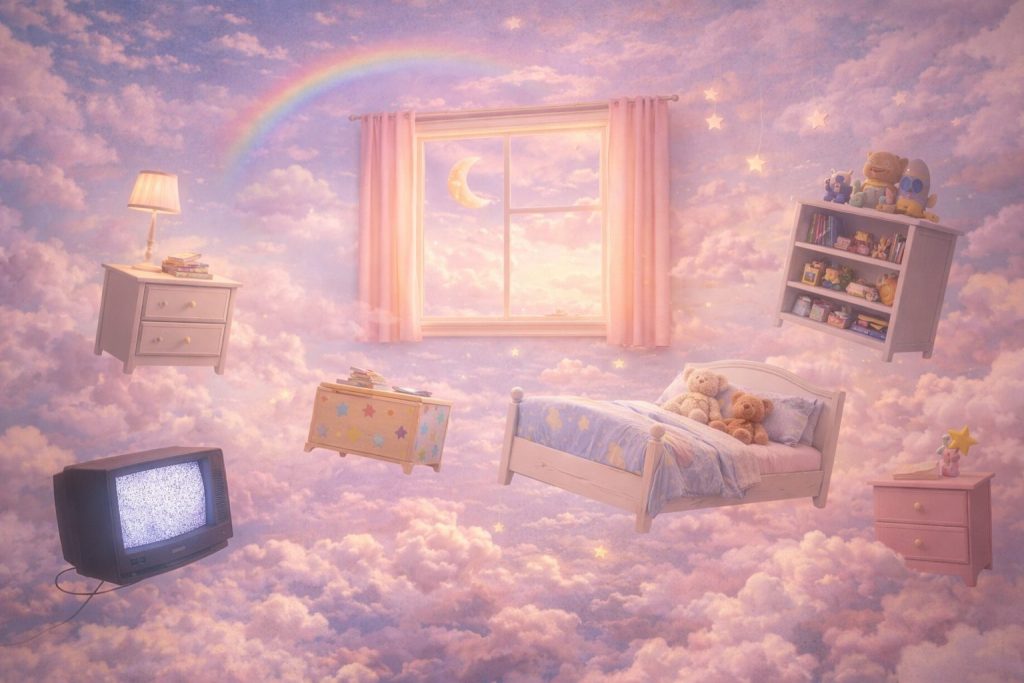
Objects that defy gravity introduce a quiet surreal tension into otherwise ordinary settings.
Floating furniture, toys, or everyday items disrupt physical logic while maintaining emotional coherence.
This creates a dreamlike state where reality feels intact, yet subtly altered.
5.Foggy Suburb Dreamcore
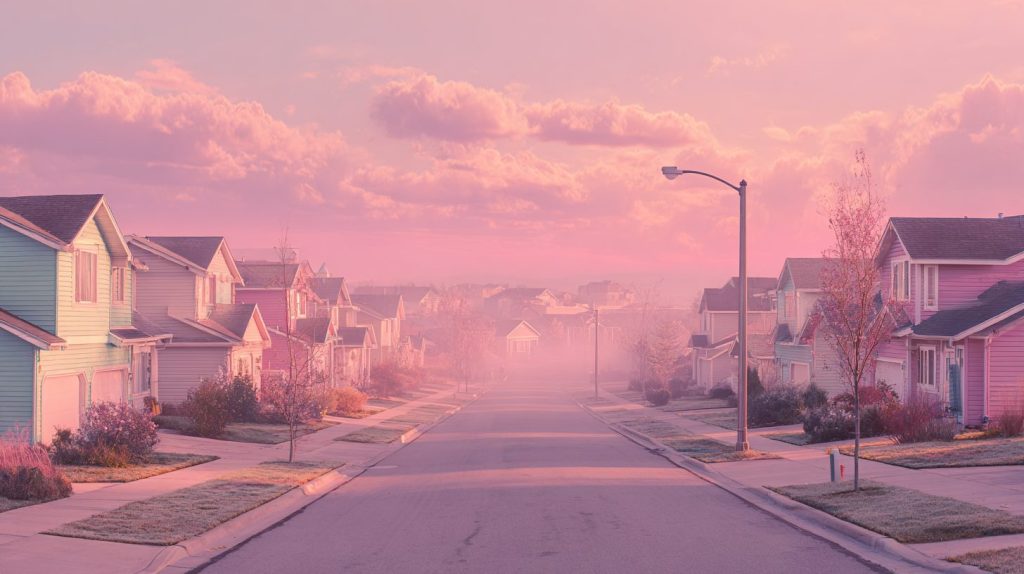
Suburban environments transformed by fog or muted color palettes create a sense of everyday unreality.
These scenes feel geographically familiar but psychologically distant.
Dreamcore suburban imagery often reflects themes of memory, anonymity, and collective nostalgia.
6.Infinite Sky Dreamcore
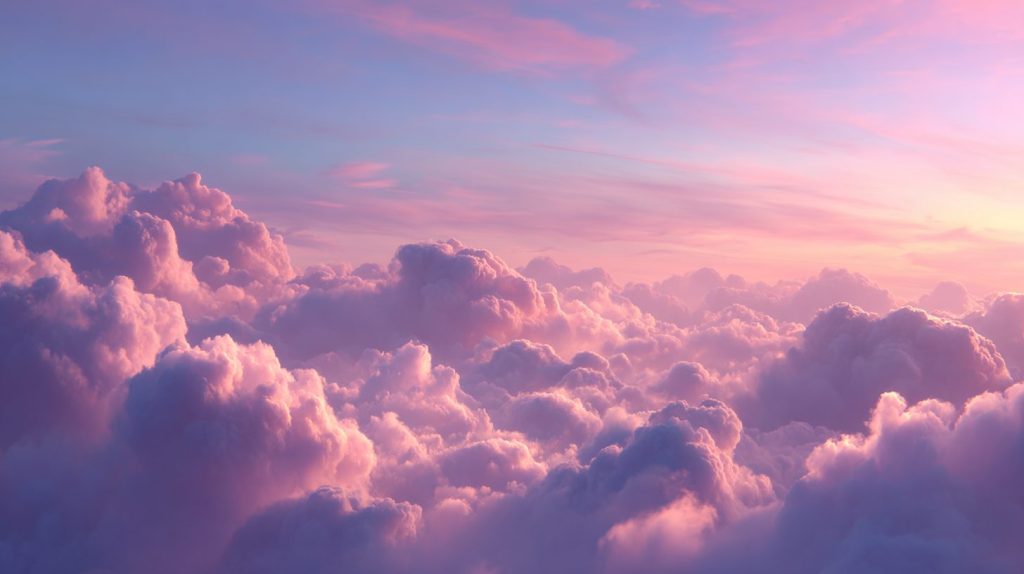
Expansive skies and floating landscapes evoke transcendence and emotional openness. These images often blur the boundary between physical space and mental experience.
The sky becomes not just a backdrop, but a symbolic environment representing freedom, uncertainty, and introspection.
7.Poolroom Dreamcore
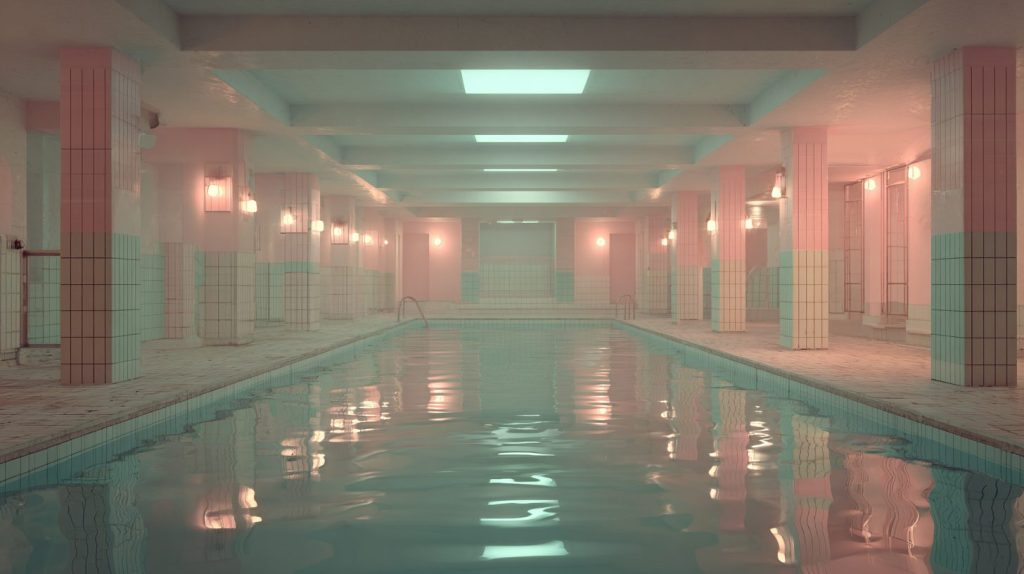
Empty indoor pools or aquatic spaces frequently appear in dreamcore visual culture. The reflective surfaces and artificial lighting contribute to a sense of sterile nostalgia.
These environments feel suspended outside normal time, existing somewhere between memory and abstraction.
8.Cartoon World Dreamcore
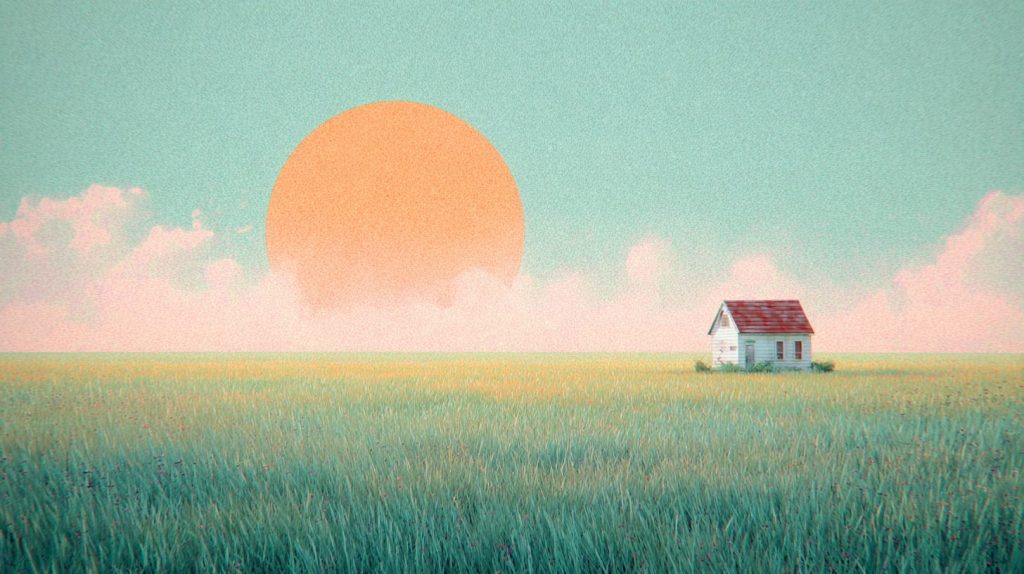
Dreamcore sometimes adopts simplified or cartoon-like visual language to evoke childhood perception. Bright colors and playful forms contrast with subtle existential undertones.
This stylistic tension creates imagery that feels both innocent and psychologically complex.
9.Retro Technology Dreamcore

Outdated digital devices such as CRT monitors, early computers, or vintage electronics often appear in dreamcore imagery.
These objects function as symbols of technological nostalgia and fragmented memory. They evoke a specific emotional era rather than a precise historical moment.
10.Night Street Dreamcore
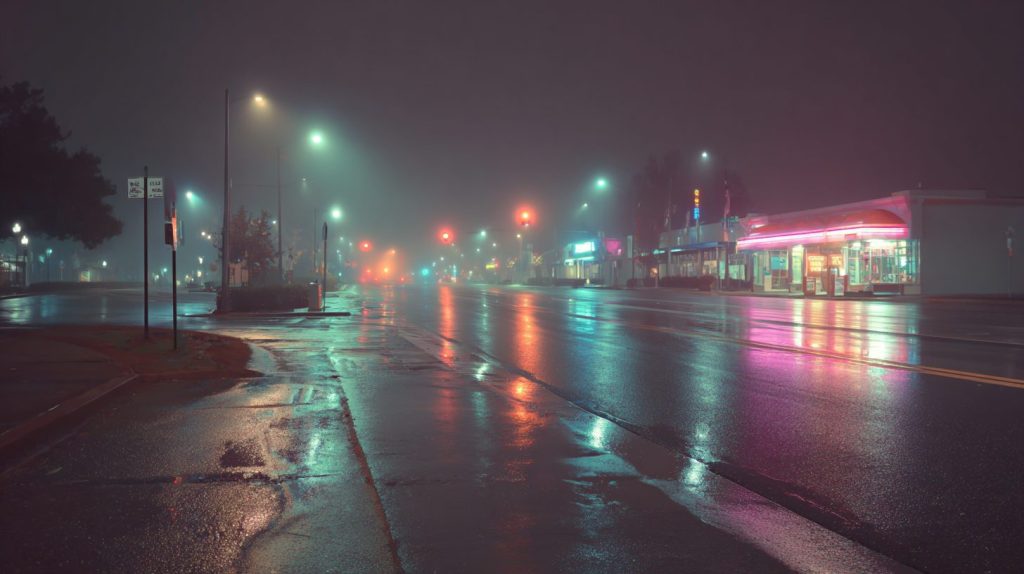
Empty streets illuminated by artificial light produce a quiet urban surrealism. These scenes emphasize solitude and introspection, transforming familiar public spaces into deeply personal emotional landscapes.
Dreamcore night imagery often feels cinematic and contemplative.
11.Mirror Distortion Dreamcore
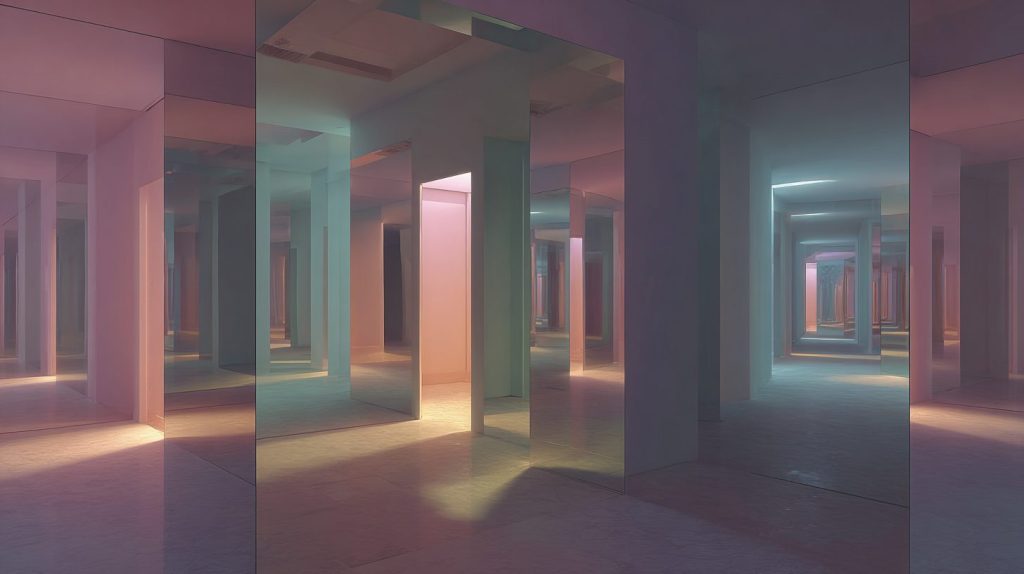
Mirrors introduce themes of identity, perception, and psychological multiplicity.
Distorted reflections or infinite mirror spaces suggest fragmented self-awareness.
In dreamcore visuals, mirrors often function as symbolic thresholds between internal and external realities.
12.School Dreamcore
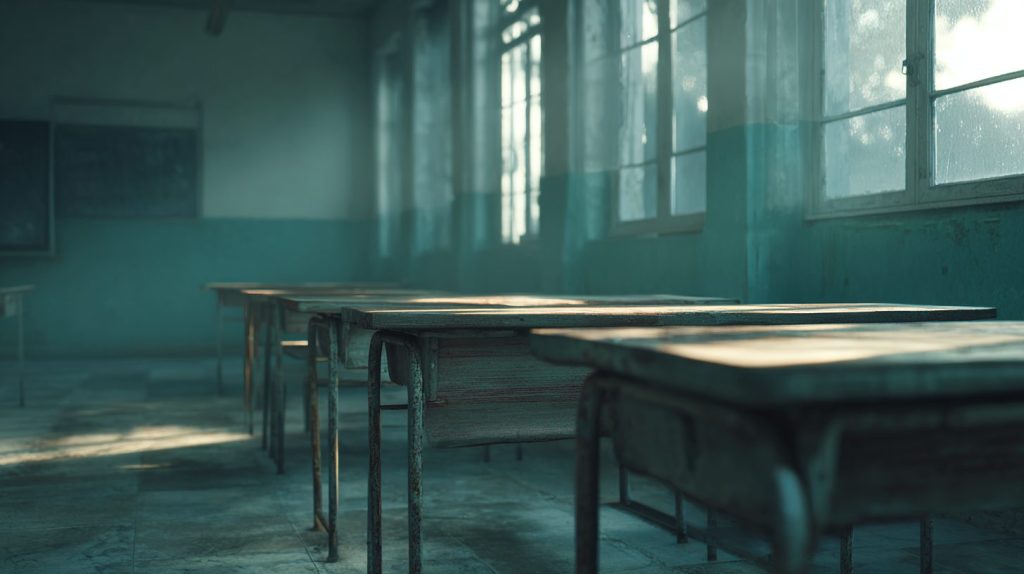
Schools represent shared cultural memory, making them powerful dreamcore environments.
Empty classrooms, hallways, or playgrounds evoke collective nostalgia while emphasizing emotional isolation.
These spaces feel simultaneously familiar and strangely detached.
13.Deserted Mall Dreamcore

Shopping malls symbolize late-modern consumer environments transformed into surreal emptiness.
Their scale, lighting, and repetitive architecture amplify the dreamlike sense of dislocation. Dreamcore mall imagery often reflects themes of cultural transition and fading social spaces.
14.Soft Pastel Void Dreamcore
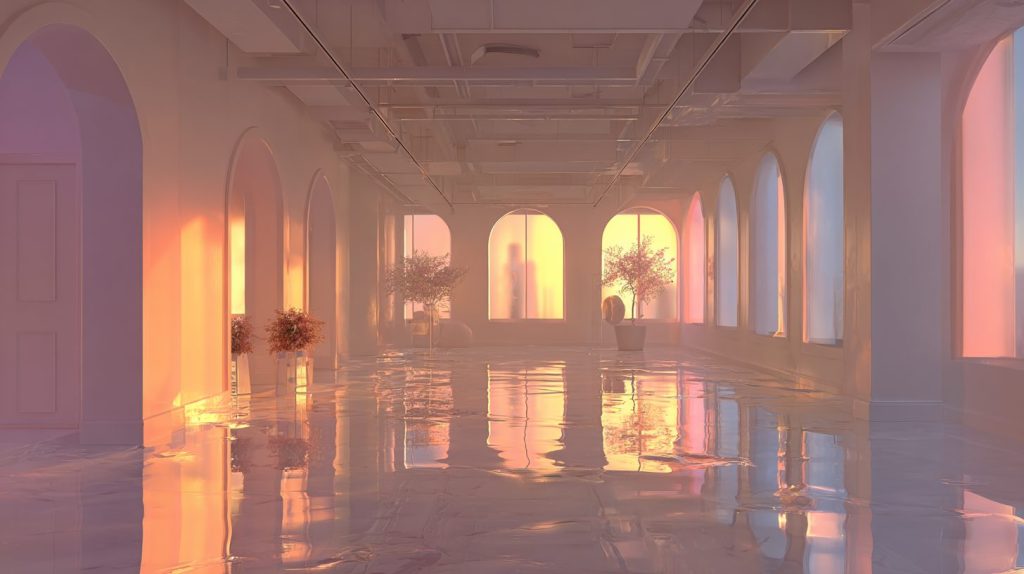
Abstract pastel environments represent the most minimal expression of dreamcore aesthetics.
These images remove narrative context entirely, focusing instead on emotional atmosphere.
The absence of recognizable space encourages introspective interpretation.
15.Cosmic Childhood Dreamcore
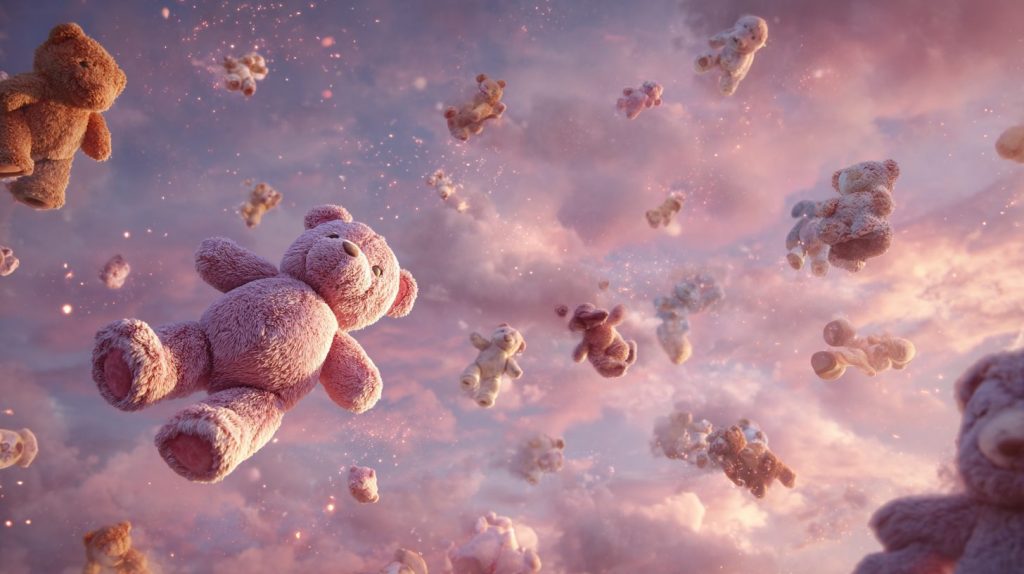
This variation combines nostalgic childhood elements with cosmic or celestial imagery.
Toys, playgrounds, or domestic objects appear suspended within vast surreal landscapes.
The juxtaposition suggests emotional transcendence and the universal nature of memory.
16. Pastel Suburban Dreamcore
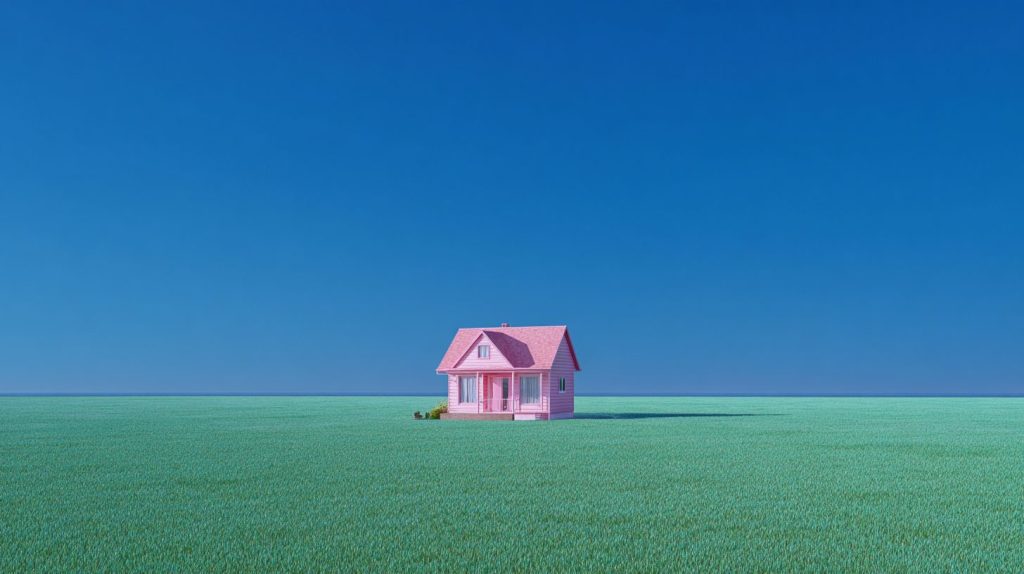
This style features quiet suburban environments rendered in soft pastel tones.
Isolated houses, empty streets, and idealized everyday settings create a calm yet slightly unreal atmosphere.
It reflects a collective nostalgia for simplified, emotionally distant memories of ordinary life.
17. Infinite Sky Dreamcore

In this variation, vast skies dominate the composition while human-scale objects appear small or distant.
The exaggerated openness evokes a sense of existential calm, blending serenity with subtle emotional displacement.
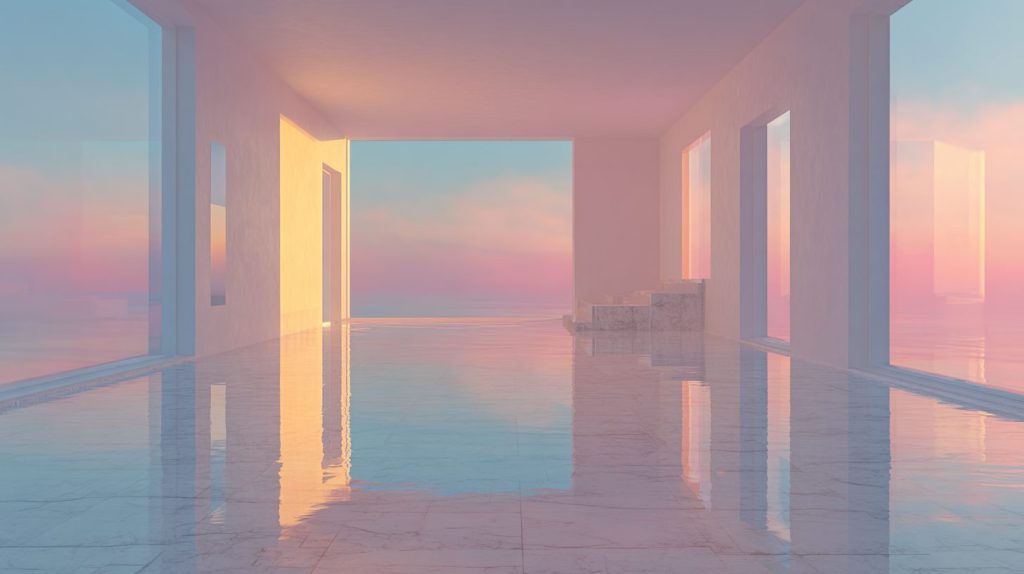
18. Clean Liminal Architecture Dreamcore
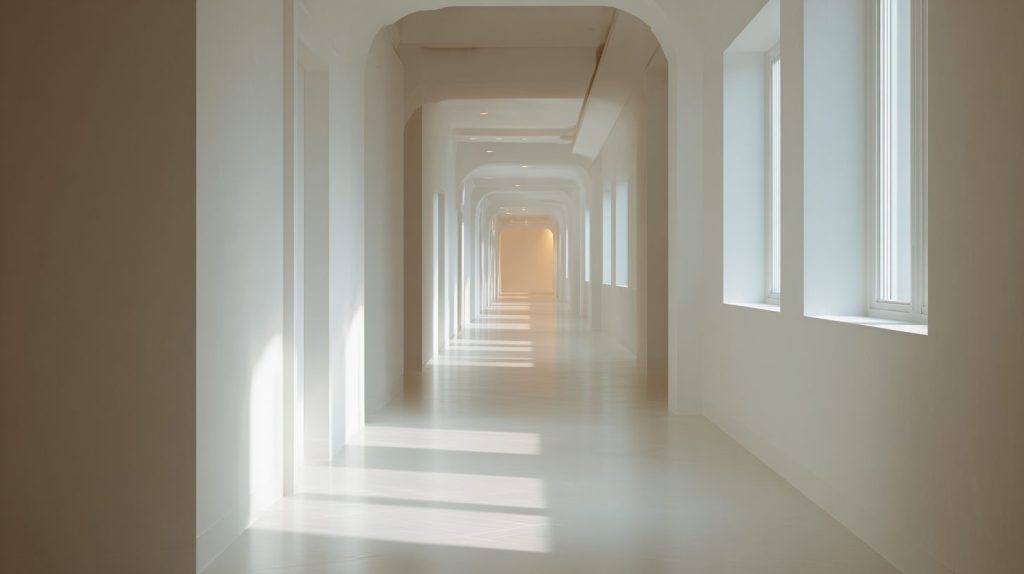
Defined by minimal architectural spaces such as white corridors or empty transitional environments, this style emphasizes soft lighting and structural clarity.
It creates a feeling of safe disorientation rather than fear, positioning dreamlike ambiguity within a controlled spatial context.
19. Conceptual Object Dreamcore

This form centers on singular or oversized objects placed in unexpected environments. The surrealism remains restrained and minimal, encouraging symbolic interpretation rather than visual chaos.
20. Repetitive Pattern Dreamcore
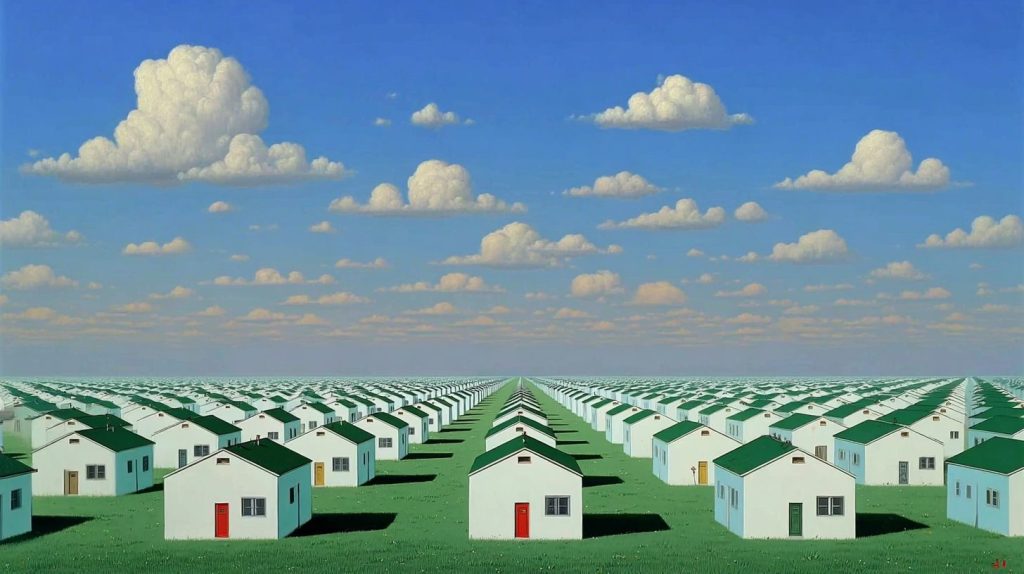
Characterized by repeated objects or figures arranged in structured patterns, this style evokes the sensation of dream loops or subconscious cycles.
The visual rhythm creates psychological tension while maintaining an overall calm atmosphere.
Dreamcore as an Evolving Visual Language
Dreamcore is not a single visual style, but a fluid emotional spectrum shaped by memory, imagination, and digital culture.
While this guide explores common visual tendencies, the number of dreamcore variations is virtually limitless.
Hybrid aesthetics — blending dreamcore with weirdcore, liminal spaces, nostalgic imagery, or surreal symbolism — are also widely present.
Ultimately, dreamcore functions less as a fixed genre and more as an evolving visual language.

Comment