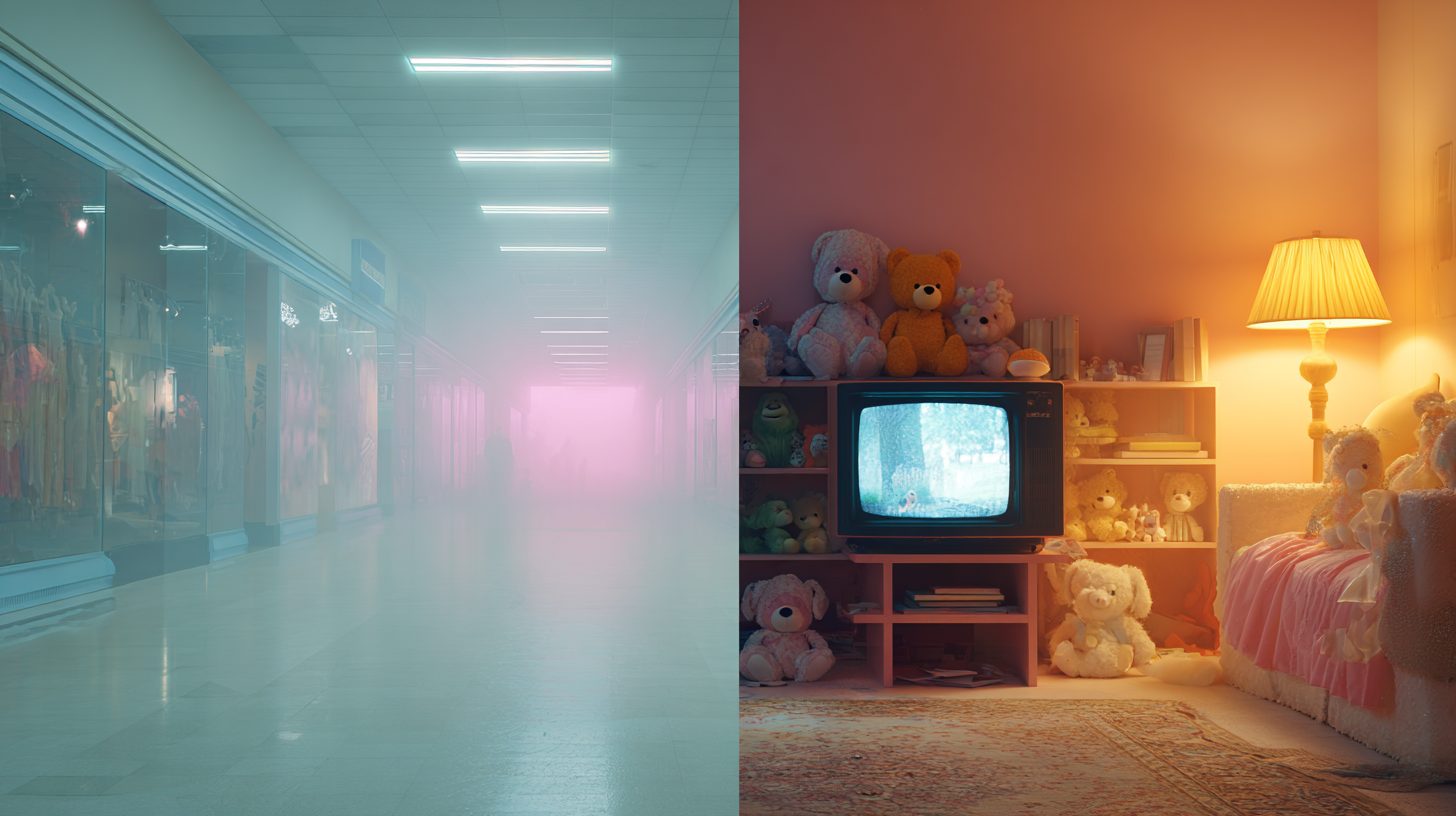
At first glance, Dreamcore and Nostalgic aesthetics can feel almost identical.
Both rely on familiar imagery, soft tones, and emotional ambiguity. Both evoke a sense of memory — something remembered but not fully understood.
But beneath the surface, these two aesthetics are built on completely different emotional foundations.
Understanding the distinction helps explain why Dreamcore often feels surreal or uncanny, while nostalgic imagery feels warm and emotionally grounded.
What Is Dreamcore?
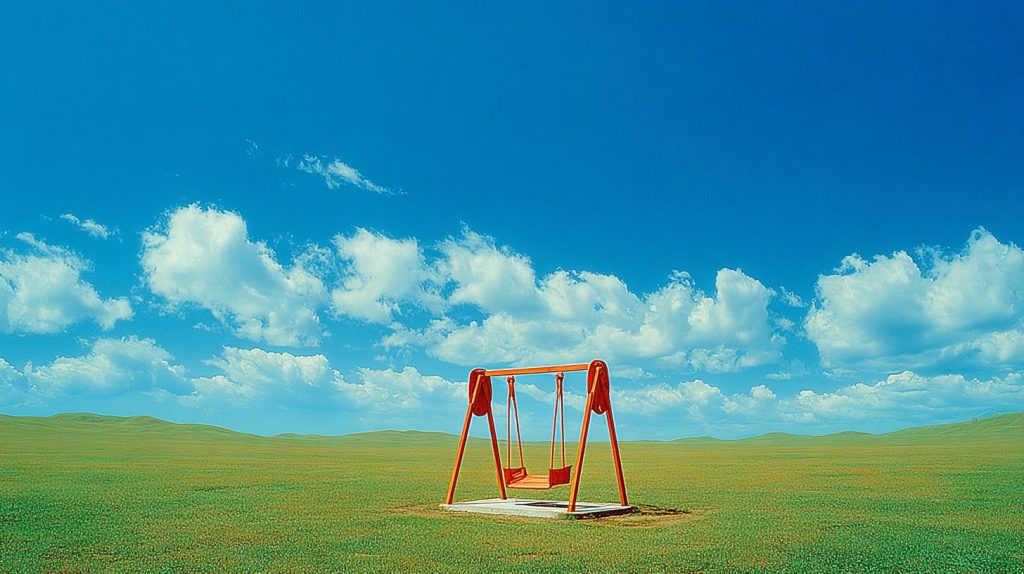
Dreamcore is an internet aesthetic that attempts to visually recreate the emotional logic of dreams.
Rather than presenting clear narratives, Dreamcore imagery often relies on fragmented environments, empty spaces, or slightly distorted versions of familiar locations. The goal is not realism, but emotional atmosphere.
Common elements include:
- Empty playgrounds or malls
- Soft pastel color palettes
- VHS-style blur or visual noise
- Liminal spaces with unclear purpose
- Childlike or surreal objects placed in ordinary settings
Dreamcore does not attempt to recreate a specific memory. Instead, it creates the feeling of remembering something that never quite existed.
This subtle tension between familiarity and unreality is what gives Dreamcore its unique emotional tone.
What Is the Nostalgic Aesthetic?
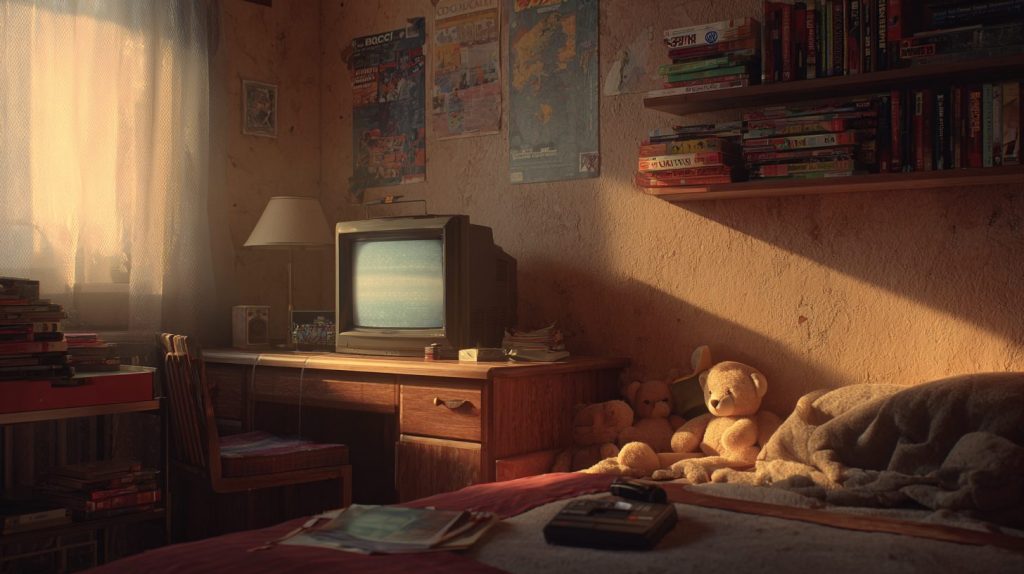
Nostalgic aesthetics are rooted in collective memory.
Rather than surreal reinterpretation, nostalgic imagery often draws directly from recognizable cultural moments — childhood media, early internet visuals, old technology, or specific decades.
Common nostalgic imagery includes:
- Retro cartoons and toys
- Early 2000s computer interfaces
- Analog photography or Polaroids
- Vintage home interiors
- Warm, slightly faded color grading
The nostalgic aesthetic aims to reconnect viewers with shared emotional experiences. It provides comfort through recognition.
Where Dreamcore blurs memory, nostalgia clarifies it.
Emotional Tone: Comfort vs Uncertainty
One of the most important differences lies in emotional intention.
Nostalgic visuals typically evoke warmth, safety, and emotional closure. They are reminders of something that once felt stable.
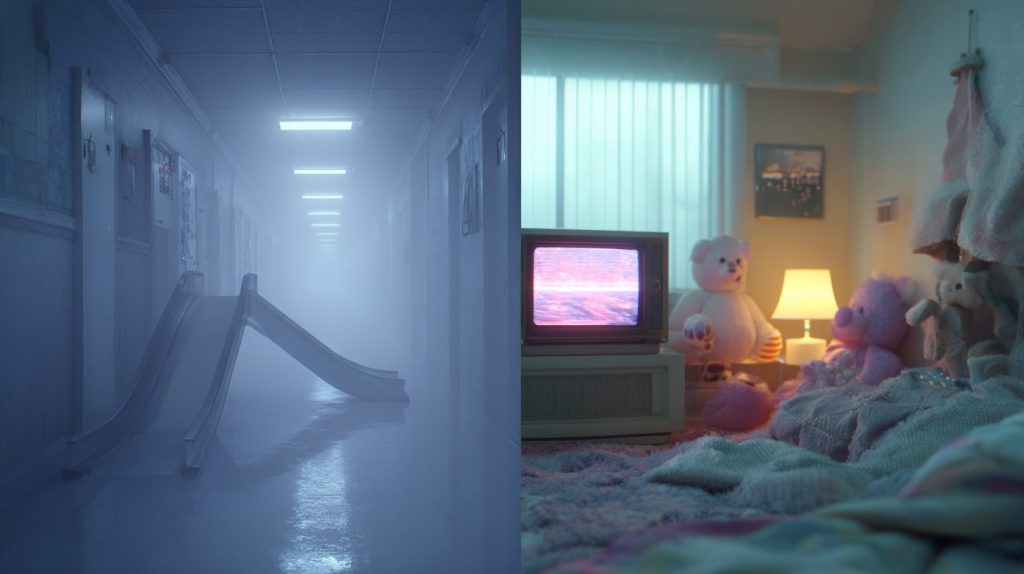
Dreamcore, on the other hand, often introduces subtle emotional dissonance. It may feel comforting at first, but the absence of context or human presence creates an underlying sense of unease.
This difference reflects how each aesthetic relates to memory:
- Nostalgia reconstructs memory
- Dreamcore destabilizes memory
In this sense, Dreamcore can be understood as nostalgia’s more abstract and introspective counterpart.
Visual Structure and Space
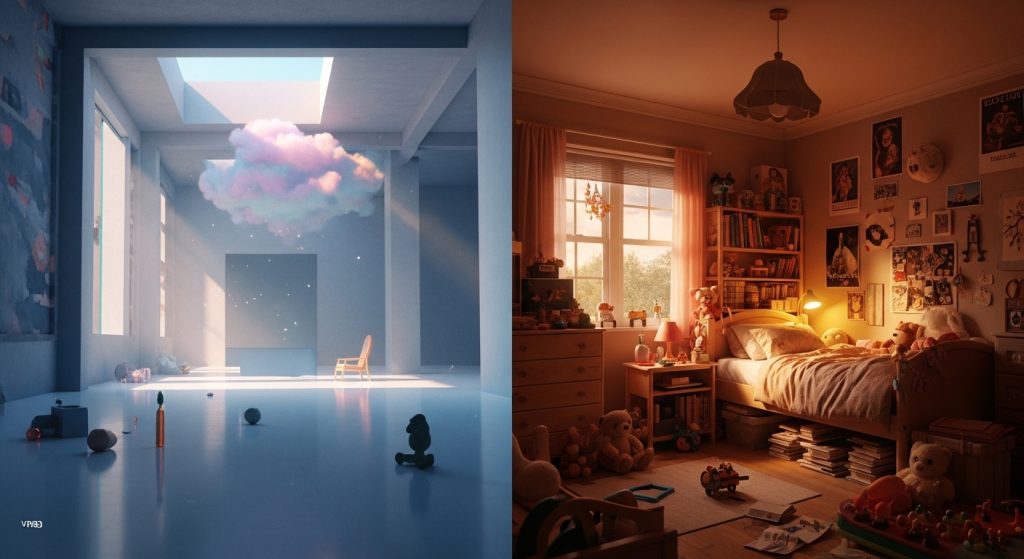
Nostalgic imagery tends to focus on objects and cultural artifacts.
Dreamcore focuses on space itself.
For example:
A nostalgic image might show a bedroom filled with recognizable childhood items.
A Dreamcore image might show an empty hallway that feels strangely familiar, but impossible to place.
This spatial ambiguity is a defining feature of Dreamcore.
It creates an emotional response that is less about recalling a specific moment, and more about confronting the feeling of memory itself.
Cultural Origins Online
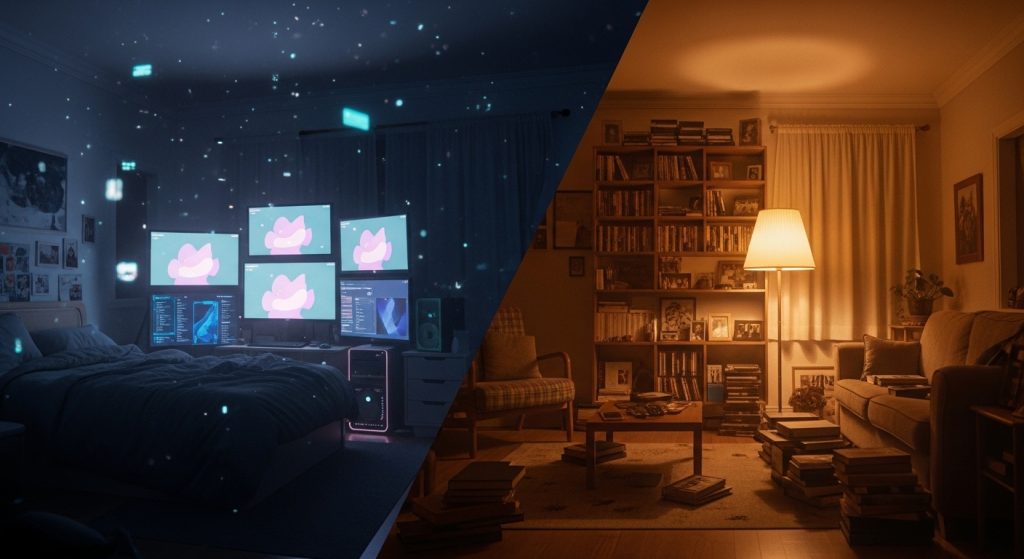
Nostalgic aesthetics have existed long before the internet, often tied to generational cycles and media preservation.
Dreamcore, however, is a distinctly digital phenomenon.
Its rise is closely associated with:
- Tumblr aesthetic communities
- Liminal space photography trends
- TikTok surreal visual edits
- Online discussions about memory, dissociation, and digital identity
This difference in origin further explains why Dreamcore feels more abstract and psychologically complex.
Why They Often Get Confused
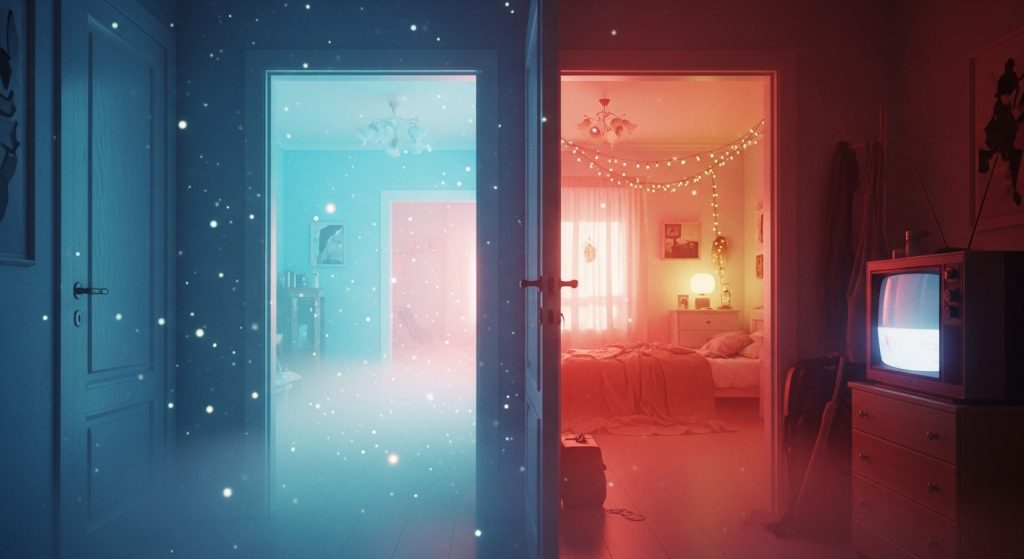
Both aesthetics rely on familiar imagery and emotional ambiguity, which makes them easy to conflate.
However, the intention behind their use differs significantly.
Nostalgia seeks emotional grounding.
Dreamcore explores emotional fragmentation.
In practical terms:
If an image reminds you of a specific moment from your past, it is likely nostalgic.
If it feels like a memory you cannot quite access or verify, it leans toward Dreamcore.
Final Thoughts
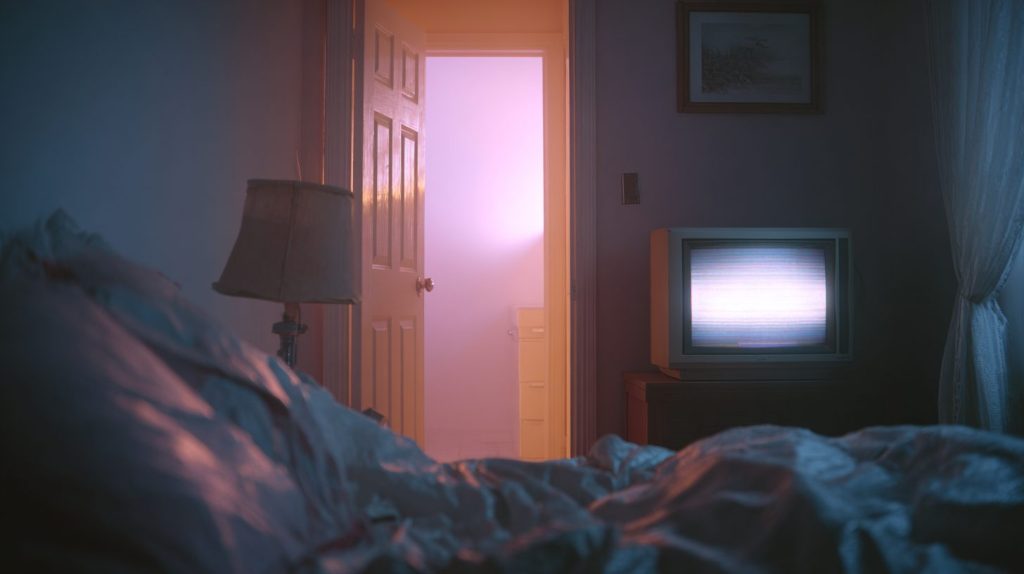
Dreamcore and nostalgic aesthetics share visual language but speak to different emotional experiences.
Nostalgia reconnects us with what we remember.
Dreamcore invites us to question how memory itself is constructed.
Understanding this distinction helps clarify why Dreamcore resonates so strongly in contemporary online culture, where identity, memory, and digital space increasingly overlap.


Comment