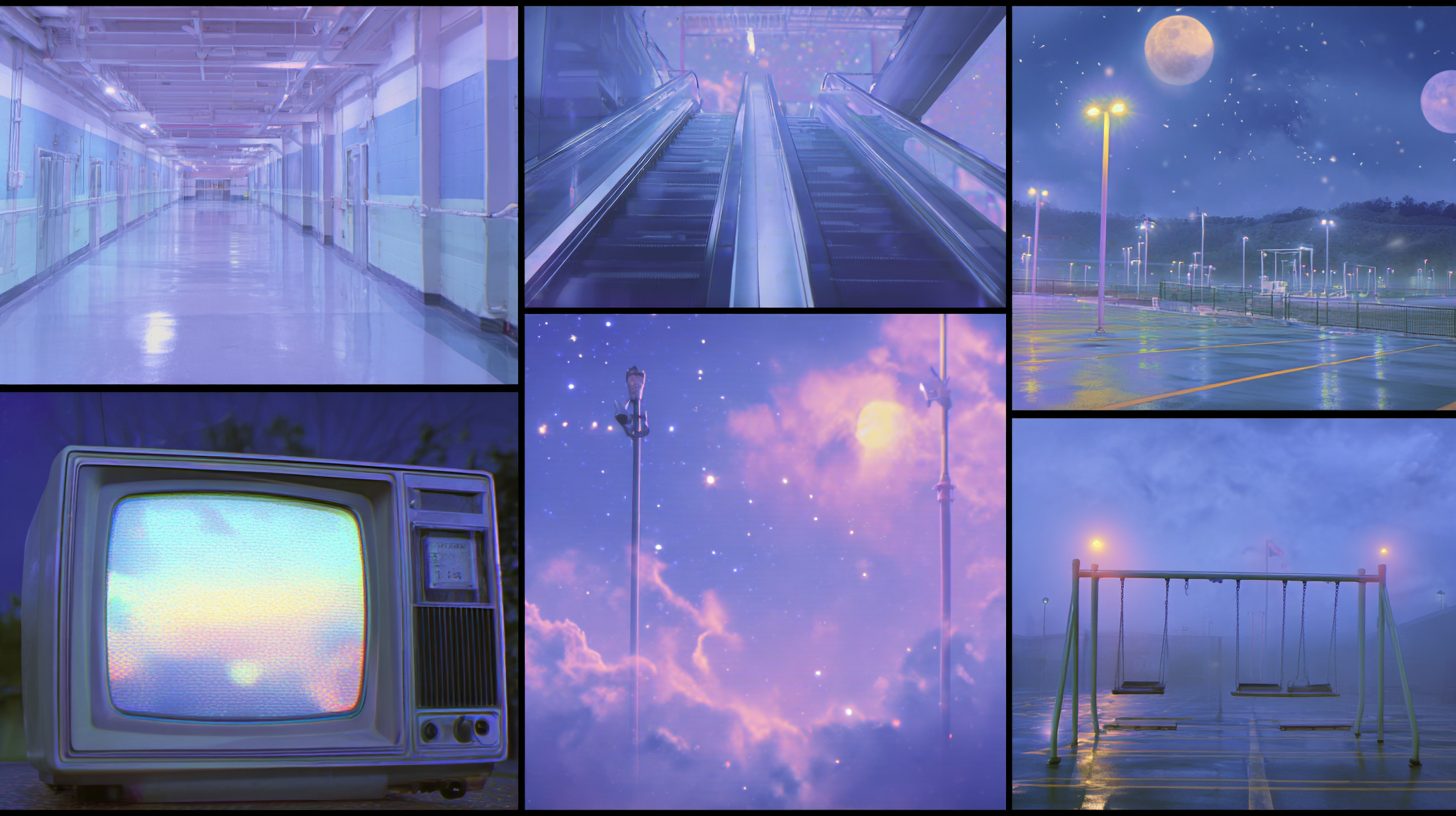
Dreamcore is an internet-born aesthetic that evokes the feeling of being inside a dream. It combines nostalgia, surreal imagery, and subtle unease to create visuals that feel both familiar and strangely unreal.
Today, the dreamcore aesthetic is widely shared on platforms like TikTok, Pinterest, and Tumblr. However, its roots trace back to earlier internet culture, particularly Tumblr image communities and the rise of liminal space photography.
This article explores the history of dreamcore, how it emerged from online culture, and how it differs from the related aesthetic known as Weirdcore.
What Is Dreamcore?
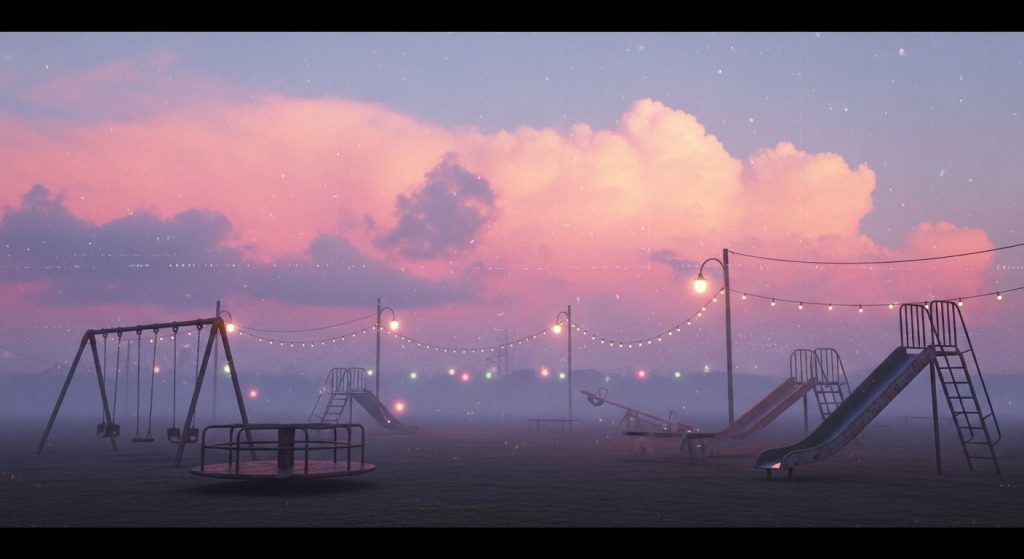
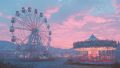
Dreamcore is an aesthetic style that visually recreates the atmosphere of dreams, memories, and childhood nostalgia.
Typical dreamcore imagery includes:
- empty schools or malls
- quiet playgrounds at night
- surreal landscapes
- blurry or foggy environments
- nostalgic childhood imagery
These visuals often appear both comforting and unsettling, producing a feeling sometimes described as:
“nostalgic but slightly eerie.”
This emotional duality is a defining feature of the dreamcore aesthetic.
The Origins of Dreamcore in Tumblr Culture
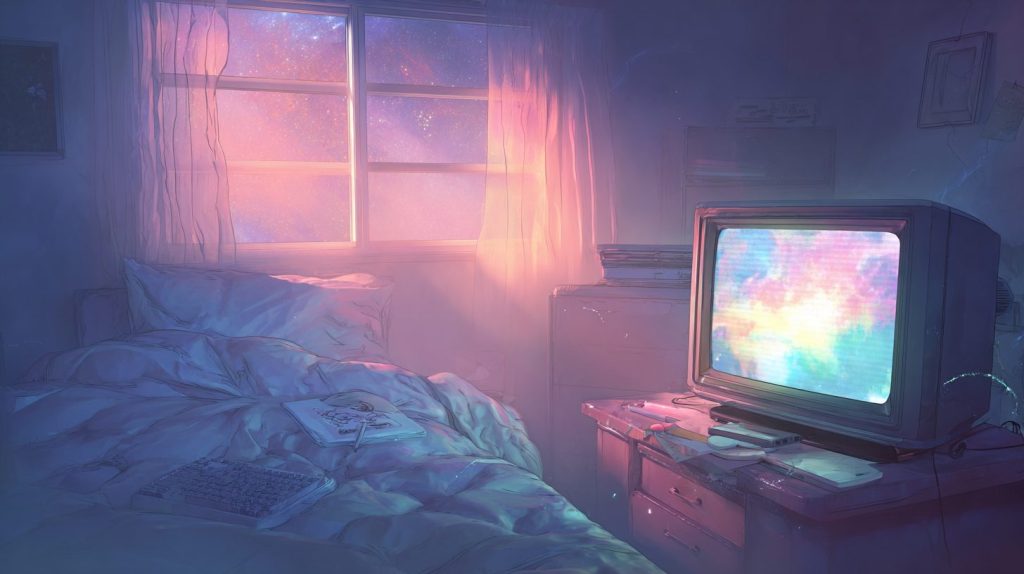
The early foundations of dreamcore can be traced to Tumblr during the late 2010s.
At the time, Tumblr had a strong culture of image-based aesthetic blogs, where users curated visual themes such as vaporwave, nostalgia aesthetics, and surreal imagery.
One of the most influential trends during this period was the rise of liminal space photography.
Liminal Spaces: The Visual Foundation of Dreamcore
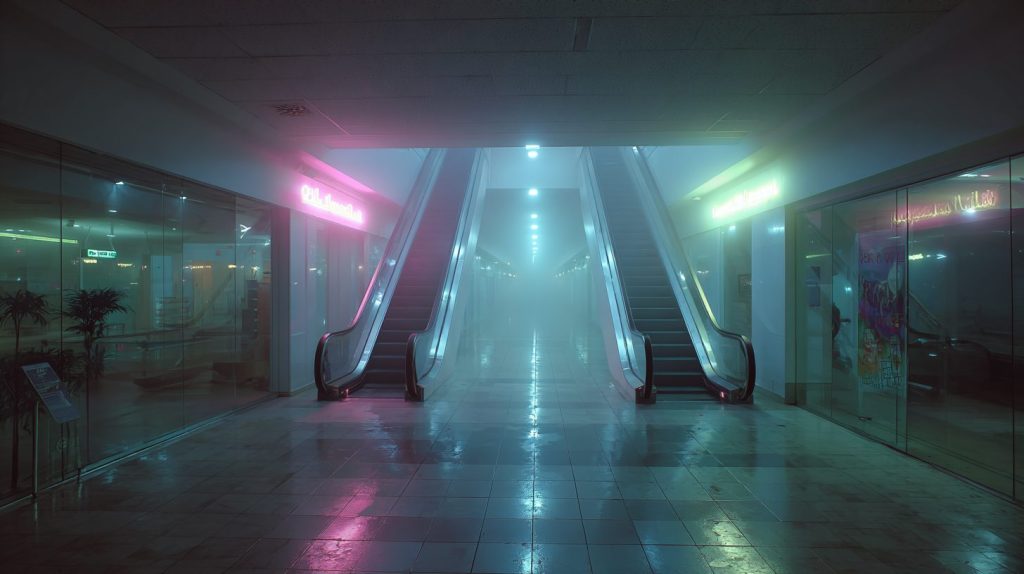
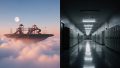
A liminal space is a location that feels transitional or abandoned, creating a sense of disconnection from reality.
Popular liminal space imagery often includes:
- empty shopping malls
- deserted school hallways
- quiet suburban streets
- dimly lit playgrounds
- vacant parking lots
Although these places exist in real life, they appear strangely unreal when empty, creating a dreamlike atmosphere.
Many liminal space images shared on Tumblr also included:
- low-resolution photography
- VHS-style noise
- faded colors
- nostalgic childhood locations
These visual elements later became key components of the dreamcore aesthetic.
2018–2020: The Emergence of Dreamcore as an Aesthetic
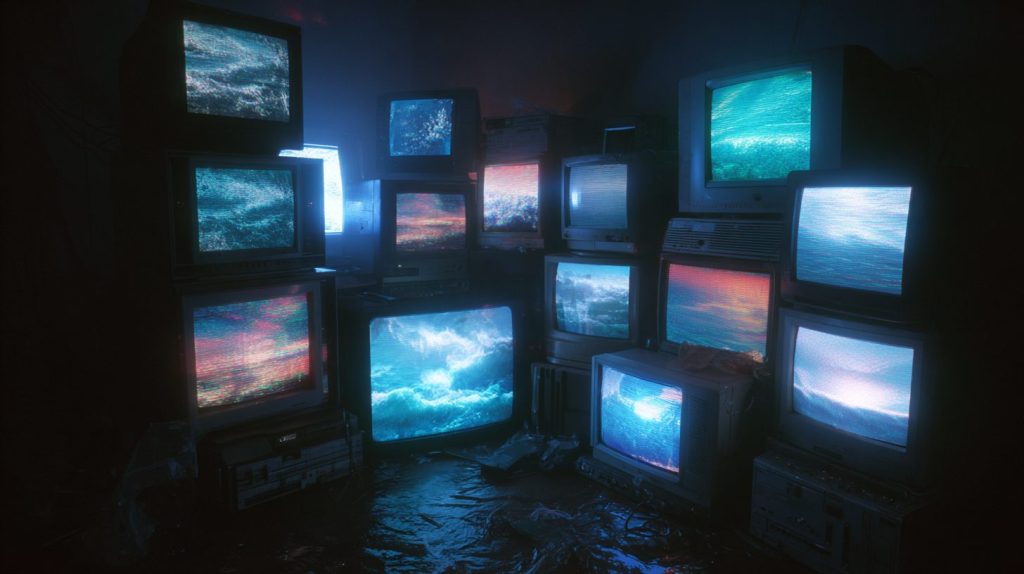
The term dreamcore began gaining recognition between 2018 and 2020, when online aesthetic communities started categorizing different surreal visual styles.
During this time, another related aesthetic—Weirdcore—was becoming popular.
Weirdcore images often featured:
- distorted or low-resolution visuals
- cryptic text overlays
- surreal environments
- unsettling or confusing imagery
While dreamcore and weirdcore shared visual similarities, a distinction gradually emerged.
Dreamcore vs Weirdcore: Key Differences
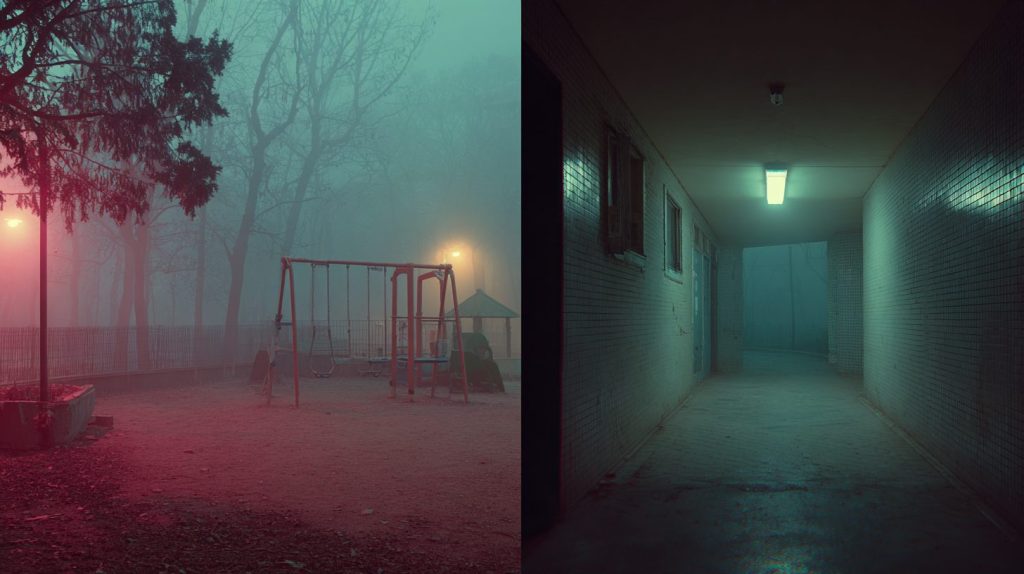
Although the two aesthetics overlap, they emphasize different emotional themes.
Weirdcore
Focuses on:
- confusion
- discomfort
- surreal distortion
- glitch effects
- strange or cryptic text
The goal is often to create a sense of psychological unease or disorientation.
Dreamcore
Focuses on:
- nostalgia
- dreamlike environments
- childhood memories
- soft lighting and foggy visuals
- emotional familiarity
Rather than emphasizing strangeness, dreamcore tries to recreate the feeling of remembering a dream or a distant memory.
In short:
Weirdcore represents a strange world.
Dreamcore represents the memory of a dream.
The Role of TikTok in Popularizing Dreamcore
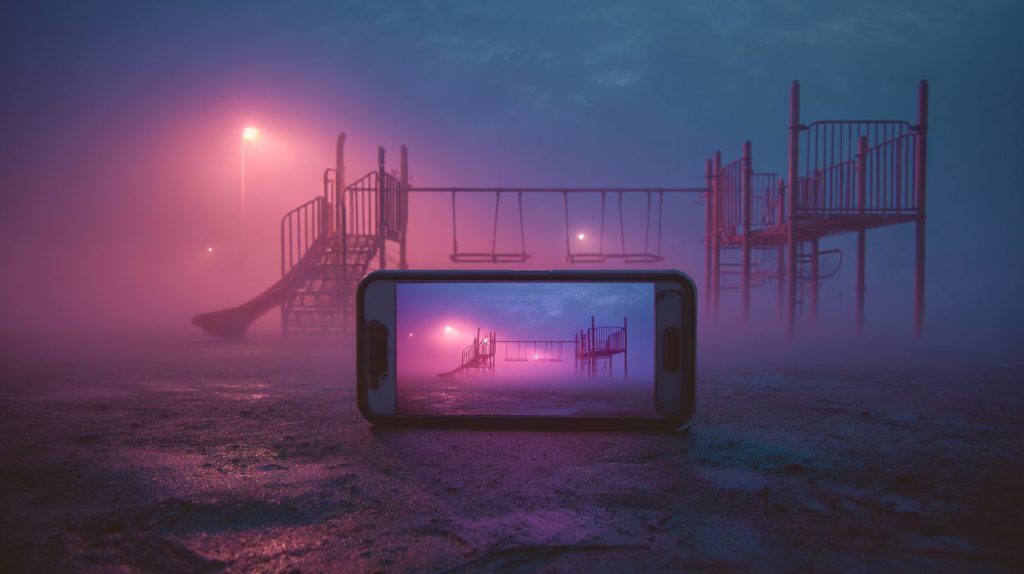
While dreamcore originated in Tumblr communities, the aesthetic reached global popularity through TikTok in the early 2020s.
TikTok creators began producing short videos combining:
- liminal space imagery
- nostalgic music (lo-fi or ambient)
- VHS or analog-style effects
- dreamlike captions
These videos were highly shareable because they triggered emotional nostalgia and curiosity.
As the TikTok algorithm amplified these videos, dreamcore rapidly spread across the internet, becoming a widely recognized aesthetic.
Dreamcore Today
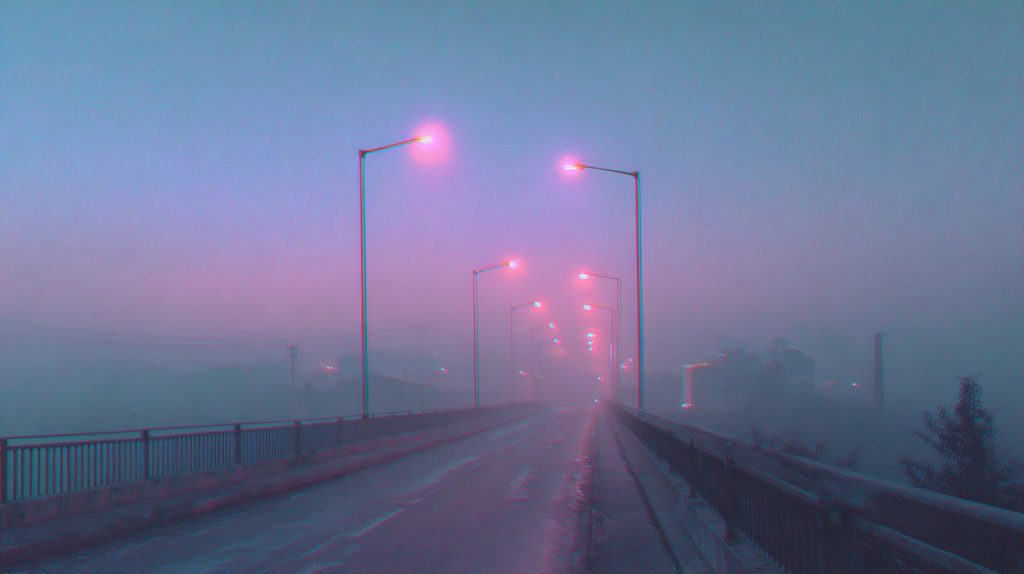
Today, the dreamcore aesthetic appears across many creative fields, including:
- digital art
- photography
- short-form video
- game design
- internet culture
Platforms like Pinterest, TikTok, Instagram, and Reddit continue to fuel its growth, with creators experimenting with new interpretations of dreamlike imagery.
What began as a niche Tumblr visual trend has evolved into one of the defining aesthetics of modern internet culture.
Comment